


Finding the same dildo on two different websites does not always mean you are looking at the same item.
One store may display the largest size in its main photo while another automatically selects the smallest variation. A discounted listing might be an older version, a different material or a color excluded from the manufacturer’s normal warranty. Shipping, taxes and accessories can also turn the lowest advertised price into the more expensive order.
A useful dildo price comparison therefore begins with identity, not cost.
Before deciding which store offers the better value, confirm that the brand, model, size, material, firmness and included accessories all match. Only then should you compare the amount you will actually pay and the protection offered after purchase.
Build a Comparison Record Before You Compare Prices
Opening several product pages and switching between browser tabs makes it easy to miss small differences. Create a short comparison record for each listing instead.
| Information | Store A | Store B | Store C |
|---|---|---|---|
| Brand | |||
| Model name | |||
| SKU or model number | |||
| Selected size | |||
| Material | |||
| Firmness | |||
| Selected color | |||
| Included accessories | |||
| Item price | |||
| Shipping and fees | |||
| Final checkout price | |||
| Return eligibility | |||
| Warranty provider |
This prevents an attractive discount from distracting you from a different size, variation or package.
The Federal Trade Commission similarly recommends recording the manufacturer or model number, size, color and shipping fees when comparison shopping online. FTC Online Shopping Guide
Step 1: Confirm the Brand and Exact Model
Start with the brand and model name shown on each page.
Dildo names are not always unique. A manufacturer may use the same collection name for several related designs, while retailers may shorten, translate or rewrite the official title for SEO. Two titles can therefore look different even when the item is identical—or look nearly identical when the items are not.
Compare the following details:
- Brand
- Official model name
- Manufacturer SKU
- Retailer SKU
- UPC, EAN or barcode number, when available
- Packaging design
- Manufacturer logo
- Release version or edition
A matching manufacturer SKU is stronger evidence than a matching product title. Retailers create their own SKUs, so a store-specific code may not match the number shown elsewhere.
When model numbers are unavailable, compare the manufacturer’s official page, packaging photos and physical details. Our guide on How to Read Dildo Product Photos Before Buying Online explains how to compare the head, curve, texture and base without relying on the main image alone.
Step 2: Check Whether One Listing Contains Multiple Versions
Many online stores group several dildo variations onto one product page. The advertised starting price may apply only to the smallest size or a less expensive version.
Before recording the price, select the exact variation you want and check whether the amount changes.
Common variations include:
- Small, medium and large sizes
- Soft and firm densities
- Single-density and dual-density construction
- Vibrating and non-vibrating versions
- Standard and premium materials
- Suction-cup and non-suction bases
- Different colors
- Older and updated designs
Do not assume that every photo changes when you select a variation. Some stores use the same image gallery for every size and color.
The listing title may also describe the entire product family rather than your selected version. Read the variation selector, specifications and shopping-cart description before treating two prices as comparable.
Step 3: Normalize the Measurements
Different stores may describe the same dildo using different measurement systems and terminology.
One page may list diameter, another circumference. One may show total length, while another emphasizes insertable length. Measurements may also be displayed in inches on one site and centimeters on another.
Use the following conversions when necessary:
- 1 inch = 2.54 centimeters
- Circumference ≈ diameter × 3.14
- Diameter ≈ circumference ÷ 3.14
For example, a dildo with a diameter of 1.75 inches has an approximate circumference of 5.50 inches. A second listing showing a 5.5-inch circumference may therefore describe the same width.
Record these measurements separately:
| Measurement | What It Usually Means |
|---|---|
| Total length | The complete length from the lowest part of the base to the tip |
| Insertable length | The portion intended to be usable above the base |
| Diameter | Straight-line width across the shaft |
| Circumference | Distance around the shaft |
| Base width | Width of the suction cup, flange or supporting base |
| Weight | Weight of the dildo, normally excluding shipping packaging |
Do not compare a total-length figure from one store with an insertable-length figure from another. Use our Dildo Size Guide if you need help interpreting length, diameter and circumference.
Small differences may come from rounding. For example, one retailer might convert 18 centimeters to 7.1 inches while another rounds it to 7 inches. A large difference, however, may indicate a separate size or an inaccurate listing.
Step 4: Compare Material and Construction Claims
Two dildos can share the same shape while being made from different materials. This is particularly important when generic designs are sold by multiple factories or under several private labels.
Check whether every listing agrees on:
- Primary material
- Inner core material
- Single- or dual-density construction
- Surface coating
- Firmness
- Flexibility
- Presence of a vibrating component
- Whether the base is permanently attached
- Charging or battery configuration
If one seller describes a dildo as silicone while another calls the apparently identical model TPE, do not simply choose the cheaper listing. The disagreement should be resolved before purchase.
Look for:
- Information printed on the original packaging
- The manufacturer’s official specifications
- Clear material disclosures from the retailer
- Consistent information across established sellers
- A direct answer from customer service
Marketing phrases such as “silky,” “real feel,” “skin-like” or “premium soft” describe an intended experience but do not identify a material by themselves.
For a deeper comparison, link readers to your Dildo Materials Guide and How to Tell if a Dildo Is Good Quality article.
Step 5: Calculate the Final Checkout Cost
The listed price is only one part of the purchase.
The FTC advises online shoppers to compare the total cost, including shipping, handling, taxes and other fees—not just the advertised amount. FTC Online Shopping Guide
Use this calculation:
Final cost = item price − discount + shipping + handling + taxes + duties + optional protection fees
Compare all of the following:
- Item price for the exact variation
- Discount-code restrictions
- Shipping charge
- Minimum order requirement
- Sales tax or VAT
- Import duties
- Currency-conversion cost
- Package-protection fee
- Subscription or membership requirement
- Accessories included in the price
Example Price Comparison
| Cost | Store A | Store B |
|---|---|---|
| Dildo price | $49.00 | $55.00 |
| Discount | −$5.00 | −$10.00 |
| Shipping | $12.00 | Free |
| Tax | $4.48 | $3.60 |
| Final cost | $60.48 | $48.60 |
Store A appears cheaper at first, but Store B provides the lower final price after the discount and shipping are included.
However, the cheapest final cost still does not automatically represent the best purchase. The seller’s return rules, warranty coverage, inventory status and customer support may be worth more than a small price difference.
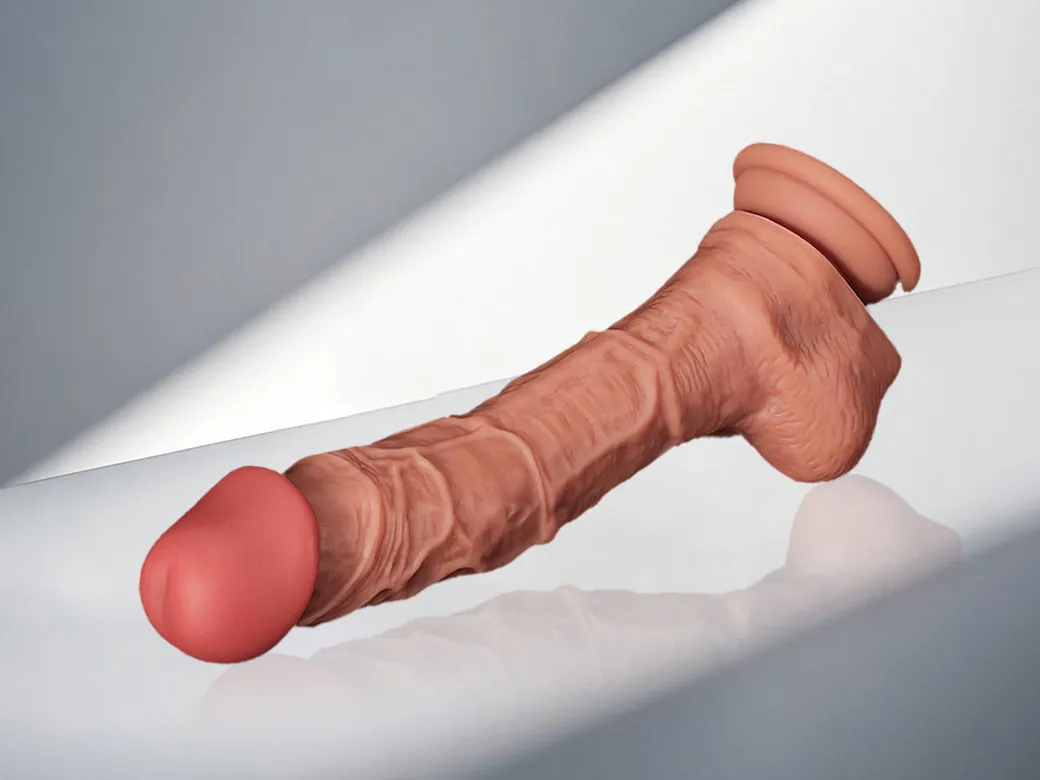
Step 6: Verify Who Is Actually Selling the Dildo
The website name and the seller name are not always the same.
On a traditional online store, the store usually sells and ships the dildo directly. On a marketplace, however, several independent sellers may use the same product page. Price, inventory, shipping time and return coverage can change when the selected seller changes.
Before ordering, identify:
- The legal or trading name of the seller
- Whether the order is sold directly or through a marketplace
- Who will ship the package
- The country from which it will ship
- Whether the seller is an authorized retailer
- How long the store has operated
- Whether customer-service contact information is provided
A familiar marketplace does not automatically guarantee that every third-party listing is identical. Check the individual seller attached to the offer rather than relying only on the marketplace’s reputation.
When researching seller feedback, do not depend on the average star rating alone. Read recent reviews from several sources and look for repeated comments about incorrect models, opened packaging, shipping delays or poor support. The FTC also recommends evaluating reviews critically and checking multiple sources because some ratings may be fake or misleading. FTC Online Shopping Guide
Our How to Read Dildo Reviews guide provides a more detailed method for separating useful ownership information from vague or promotional comments.
Step 7: Check Whether the Dildo Is Actually in Stock
“Available,” “ships soon” and “in stock” do not always mean the same thing.
Some stores keep inventory in their own warehouse. Others order from a distributor after the customer completes payment. A third store may show an item as available even though it is waiting for restocking.
Look for specific wording:
| Stock Message | Possible Meaning |
|---|---|
| In stock | Usually available for immediate processing |
| Ships in 24–48 hours | Processing is expected within that period |
| Available to order | May be sourced after purchase |
| Usually ships in 5–10 days | Could be held by a distributor |
| Pre-order | Not yet ready for normal shipment |
| Backordered | Temporarily unavailable |
| Made to order | Production begins after ordering |
Check whether the expected shipping time refers to warehouse processing or the complete delivery period.
A very low price is less valuable if the dildo is unavailable for several weeks or the store cannot confirm the selected variation. If timing matters, contact the seller and ask whether the exact size, color and model are physically in stock.
Step 8: Compare Return and Exchange Rules
Return policies are particularly important for intimate items because hygiene restrictions often apply.
Do not assume that a general “30-day returns” statement covers an opened dildo. Read the complete policy and look for rules covering:
- Unopened intimate items
- Opened packaging
- Defective dildos
- Incorrect items
- Damage during shipping
- Missing accessories
- Clearance or final-sale items
- Return shipping costs
- Restocking fees
- Refunds versus store credit
The FTC recommends checking how long you have to return an order, who pays return shipping and whether restocking fees apply. It also notes that discounted or clearance merchandise may have different conditions. FTC Online Shopping Guide
A store that does not accept opened returns for hygiene reasons may still provide a remedy when the dildo arrives defective, damaged or different from what was ordered. These situations should be explained separately in the policy.
Compare the rules that apply to the exact problem—not simply whether the store displays the word “returns.”
Step 9: Separate Store Returns From Manufacturer Warranty
A return policy and a warranty serve different purposes.
A return policy normally covers a limited period after delivery. A manufacturer warranty may cover qualifying defects for a longer period, particularly for vibrating, rotating or thrusting dildos with electronic components.
Before paying more for “warranty coverage,” confirm:
- Who provides the warranty
- How long the coverage lasts
- Whether the retailer is authorized
- Which defects are covered
- Whether batteries and charging cables are included
- Whether registration is required
- Who pays replacement shipping
- Whether international orders qualify
- What proof of purchase must be retained
One store may offer a lower price but no manufacturer support. Another may cost slightly more while including clear warranty handling and responsive customer service.
Neither option is automatically correct. The value of the warranty depends on the dildo’s complexity and the size of the price difference. Review our Dildo Warranty Guide before comparing coverage for rechargeable or motorized models.
Step 10: Compare Discreet Shipping and Privacy Information
When buying a dildo online, delivery privacy can be part of the overall value.
Look for specific information about:
- Plain outer packaging
- Shipping-label sender name
- Customs description for international orders
- Billing-statement descriptor
- Tracking availability
- Signature requirements
- Data collection and privacy
- Marketing-email preferences
“Discreet shipping” should ideally be explained rather than presented as an unsupported badge. A useful policy describes the outer parcel, label or billing process without exposing unnecessary details.
Also check where the order ships from. Domestic delivery may be faster and less likely to involve customs processing, while international sellers may offer better prices or a wider selection.
Step 11: Review the Payment Method and Website
Before entering payment information, confirm that the checkout page uses HTTPS and offers a recognized payment method.
HTTPS encrypts information transmitted between your browser and the website, but it does not prove that the seller is legitimate. The FTC specifically warns that fraudulent websites can also use encryption. It recommends credit-card payment when possible because qualifying billing problems may be disputed. FTC Online Shopping Guide
Be cautious when a seller insists that payment can only be made through methods that are difficult to reverse, such as gift cards, wire transfers or cryptocurrency.
Keep copies of:
- The final product page
- Selected variation
- Order confirmation
- Payment receipt
- Shipping promise
- Return policy
- Warranty statement
- Customer-service messages
These records can help if the model, price or policy changes after you order.
A Better Way to Choose Between Stores
Once you have confirmed that the listings describe the same dildo, compare the stores in this order:
1. Exact Match
The brand, model, size, material, firmness and accessories must match. If they do not, stop comparing the prices as though the items are identical.
2. Final Cost
Calculate the complete checkout cost rather than using the price shown in search results.
3. Seller Confidence
Consider seller identity, recent feedback, contact information and whether the store appears to carry authentic inventory.
4. Delivery
Compare actual processing time, shipping origin, tracking and expected arrival.
5. After-Sales Protection
Review the rules for wrong, damaged and defective items, along with any manufacturer warranty.
6. Privacy
Consider packaging, billing information and the store’s privacy policy.
A difference of two or three dollars may not justify weaker customer support or an unclear return policy. A much larger saving may be reasonable when the model is verified and the seller provides adequate protection.
Frequently Asked Questions
Why is the same dildo cheaper on another website?
The difference may result from promotions, older inventory, lower operating costs, different shipping charges or a separate size or version. Verify the exact model and total checkout cost before comparing the offers.
Can two identical-looking dildos be made from different materials?
Yes. Similar molds and private-label designs can be produced using different materials or construction methods. Confirm the packaging, manufacturer and material disclosure instead of relying only on appearance.
Should I always buy from the manufacturer’s website?
Not necessarily. An established retailer may offer a better price, faster delivery or easier customer service. Check whether retailer purchases receive the same warranty coverage.
Is free shipping always the better option?
No. A store may include shipping costs in the item price or use a slower service. Compare final cost, estimated delivery and tracking together.
What if two stores list different measurements for the same model?
First determine whether one uses circumference while the other uses diameter, or total length instead of insertable length. If the difference remains significant, check the manufacturer’s specifications or contact both sellers.
Is the lowest-priced listing usually an older version?
Not always. It could simply be a promotion. However, check the SKU, packaging, charging system and included accessories to determine whether the listing shows an earlier version.
Final Thoughts
Comparing dildo prices online is not simply a matter of choosing the smallest number.
First prove that every listing represents the same brand, model, size, material and variation. Then calculate the final checkout cost and compare inventory, delivery, returns, warranty coverage and privacy.
The best offer is the one that provides the correct dildo at a fair total price—with enough information and support to reduce uncertainty after the order is placed.
Compare dildo styles, sizes and materials in our curated collections before choosing the model that fits your priorities.