
Quick Answer
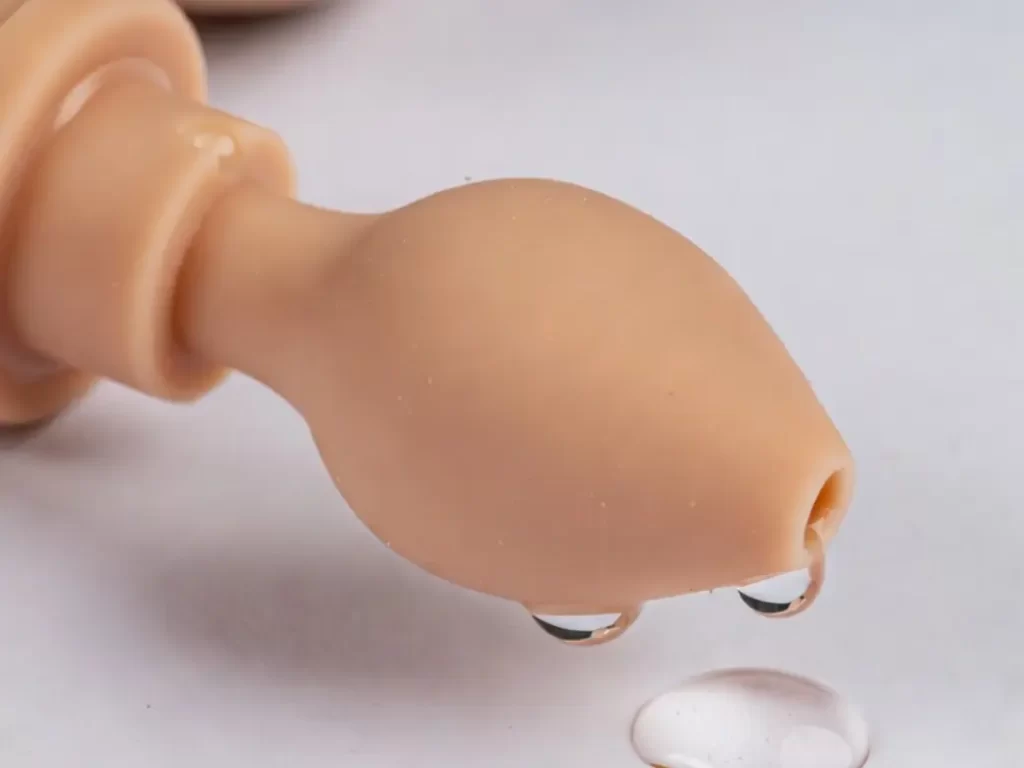
After anal use, remove and discard any condom, rinse away visible residue, and wash the dildo according to its material and construction. For many waterproof, nonporous products, this means washing the entire surface with warm water and a suitable mild soap, rinsing thoroughly, and allowing it to dry completely.
Do not assume that every dildo can be submerged, boiled, placed in a dishwasher, or treated with a strong disinfectant. Motors, charging ports, glued components, porous materials, and decorative finishes can change the correct cleaning method.
A dildo that has been used anally should not touch the vagina, mouth, or another person until it has been properly cleaned or covered with a new condom. Planned Parenthood specifically advises washing a toy or changing its condom before moving it from the anus to the vagina or mouth.
Why Anal Dildo Cleaning Requires Extra Attention
A general rinse is not the same as a complete cleaning routine. Anal use can leave residue around textures, suction-cup edges, seams, and the junction between the shaft and base.
The correct process depends on three questions:
- What material is touching the body?
- Does the dildo contain electronic or glued components?
- Is the product waterproof, splashproof, or not water-resistant?
The material name alone does not answer all three questions. A solid silicone dildo and a silicone-covered vibrating dildo may have similar surfaces but very different cleaning limits.
This article complements the broader how to clean a dildo guide by focusing specifically on after-anal-use decisions, cross-body-area hygiene, and products that cannot be fully submerged.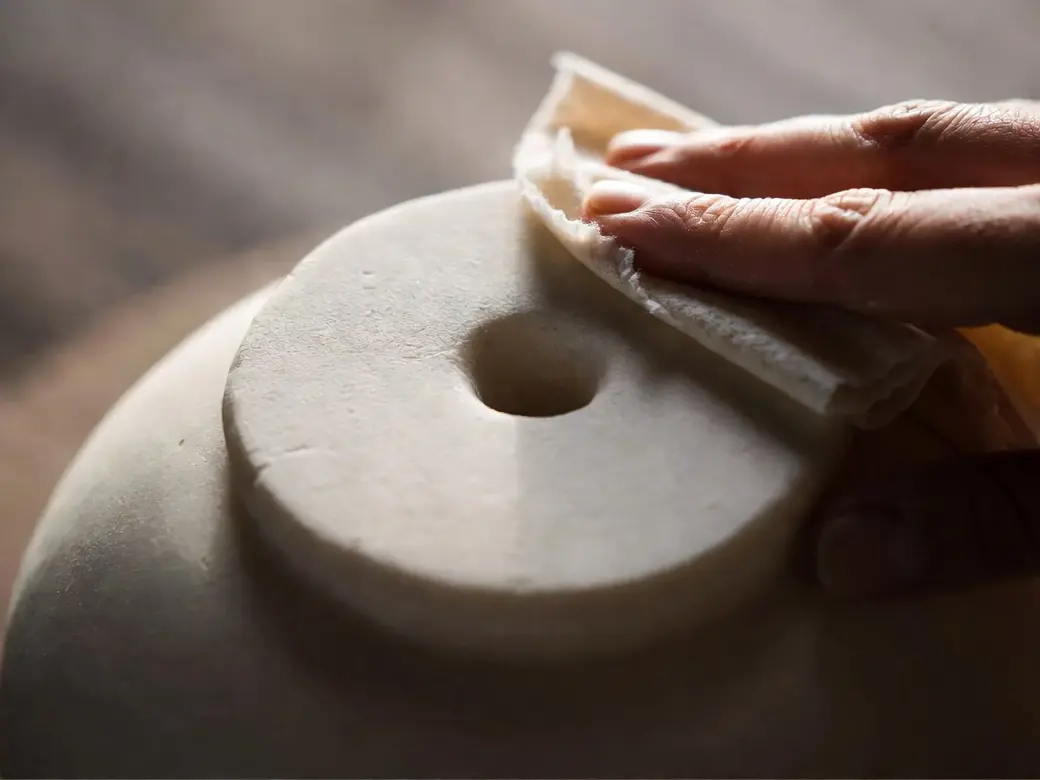
Cleaning, Sanitizing, and Sterilizing Are Not the Same
These terms are often used interchangeably on product pages, but they describe different goals.
Cleaning
Cleaning removes visible residue, lubricant, and much of the material left on the surface. Washing with a suitable soap and water is a common cleaning method for compatible products.
Every reusable dildo should be cleaned after use.
Sanitizing
Sanitizing is an additional process intended to reduce microorganisms on a previously cleaned surface. The correct method depends on the product’s material and construction.
Heat may be suitable for certain solid, non-motorized products, but it is not safe for every silicone, glass, metal, plastic, or electronic dildo.
Sterilizing
Sterilization is a controlled process that eliminates all forms of microbial life. Ordinary home washing, boiling, wipes, and toy cleaners should not automatically be described as true sterilization.
For consumer content, it is more accurate to explain the exact cleaning or sanitizing method than to promise that a toy has been “completely sterilized.”
Before Cleaning: Identify the Dildo
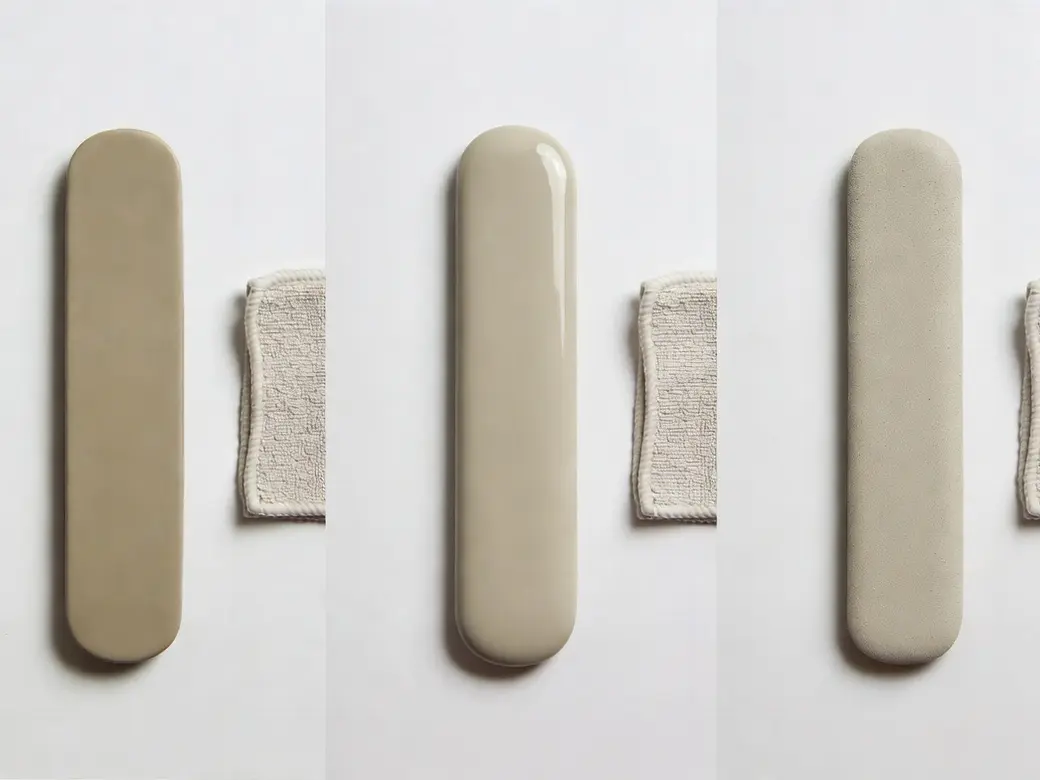
Check the product packaging, care leaflet, or manufacturer’s website. Look for:
- Exact material
- Waterproof rating
- Motor or vibrating components
- Charging-port design
- Batteries or removable controls
- Glued seams or layered construction
- Heat-cleaning instructions
- Approved and prohibited cleaners
Marketing terms such as “soft-touch,” “real feel,” “silicone-like,” and “premium material” do not identify the material precisely.
If you cannot determine what the dildo is made from, avoid boiling, dishwashing, bleach solutions, alcohol, and prolonged soaking. Begin with the least aggressive manufacturer-compatible cleaning method.
Your dildo materials guide and how to read a dildo product label can help readers understand vague material descriptions.
Step-by-Step Cleaning Routine After Anal Use
Step 1: Remove the Condom Carefully
If the dildo was covered, hold the condom near the base while removing it so that residue does not spread over the handle, harness, controls, or surrounding surfaces.
Discard the condom immediately. Do not wash, turn around, or reuse it.
The dildo still needs to be inspected and cleaned because a condom may move, tear, or leave the base uncovered. For more barrier guidance, link to can you put a condom on a dildo.
Step 2: Wash Your Hands
Wash your hands before handling clean storage containers, charging cables, drawer handles, or another dildo.
This simple separation between “used” and “clean” items helps prevent residue from being transferred back onto the product after washing.
Step 3: Check for Damage
Inspect the dildo under good lighting before cleaning it aggressively. Look for:
- Tears in soft material
- Cracks around the base
- Peeling surfaces
- Open seams
- Deep scratches
- Loose suction cups
- Damaged charging-port covers
- Exposed electronic components
Residue can remain inside damaged areas that are difficult to reach. If the product is peeling, cracked, or permanently tacky, cleaning alone may not make it suitable for continued use.
Step 4: Remove Visible Residue
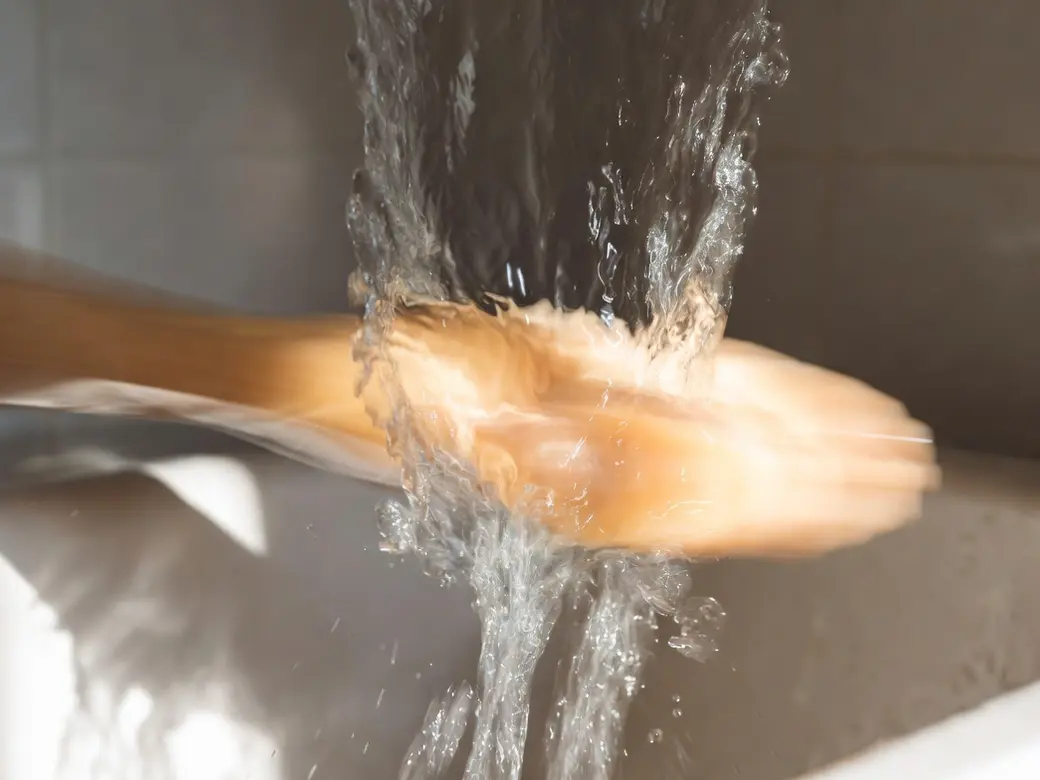
For a waterproof product, rinse the surface under warm running water. Keep the dildo pointed downward when possible so that water carries residue away from the handle and controls.
Do not begin by scrubbing a dry surface. Gentle rinsing can remove loose material before you work around textures and seams.
For a non-waterproof or splashproof product, use the manufacturer’s recommended wiping method and keep moisture away from openings.
Step 5: Wash the Entire Usable Surface
Apply a small amount of suitable mild soap or manufacturer-approved cleaner. Clean the shaft, head, base, and any details that may have made contact during use.
Pay close attention to:
- The underside of a pronounced head
- Veins and deep textures
- Ridges and bumps
- The transition between soft and firm sections
- Suction-cup edges
- Harness contact areas
- Handles touched during use
Cleaning only the insertable length may miss residue transferred to the base or handle.
Step 6: Rinse Thoroughly
Rinse until no cleaner, foam, or slippery film remains. Cleaner left in detailed areas can irritate sensitive tissue during later use and may attract dust in storage.
Turn the dildo and inspect it from several angles. A dark-colored surface can make transparent residue difficult to see.
Step 7: Dry It Completely
Allow the dildo to air-dry on a clean, non-shedding surface. Do not immediately place it in a sealed bag or drawer while moisture remains underneath its base or inside surface details.
Once dry, store it separately in a clean container. This prevents contact with dust and with products made from unidentified materials.
Cleaning Guide by Material and Construction
| Dildo Type | Basic Approach | Important Limitation |
|---|---|---|
| Solid silicone, non-motorized | Wash according to manufacturer instructions; additional heat sanitizing may sometimes be permitted | Confirm that it is solid silicone with no motor, glue, coating, or sensitive core |
| Silicone-covered vibrator | Clean the exterior using its stated waterproof rating | Do not boil or submerge unless specifically approved |
| Borosilicate glass | Wash carefully with a compatible cleaner and water | Inspect for chips or cracks and avoid sudden temperature changes |
| Stainless steel | Wash the complete surface according to manufacturer directions | Decorative parts, coatings, or attached electronics may change the method |
| ABS plastic | Wash or wipe according to its construction | Do not assume it is heat-safe |
| TPE, TPR, PVC, or jelly material | Follow the manufacturer’s cleaning instructions carefully | These materials may be porous and more difficult to sanitize completely |
| Unknown “soft material” | Use a cautious surface-cleaning method | Consider reserving it for one user and one body area until the material is confirmed |
| Harness-mounted dildo | Remove it from the harness when possible and clean both separately | A clean dildo does not make a fabric or leather harness clean |
For a deeper comparison of porous and nonporous products, add an internal link to silicone vs TPE dildos.
Can You Use the Dildo Vaginally After Anal Use?
Not without changing the hygiene setup first.
Before a dildo moves from the anus to the vagina or mouth:
- Stop using it.
- Remove and discard the existing condom.
- Wash the dildo carefully according to its material, or apply a new condom before it touches the new body area.
- Wash hands and clean any harness components that may have been contaminated.
- Use fresh lubricant as needed.
Planned Parenthood advises that a toy used in the anus should be washed or covered with a new condom before it touches the vagina. The NHS also recommends cleaning shared sex toys between uses and applying a new condom each time.
Do not simply wipe the shaft with a tissue and continue. A tissue may remove visible lubricant without adequately cleaning textured areas or the base.
What About a Porous Dildo?
TPE, TPR, PVC, jelly materials, and products with unidentified soft surfaces may retain residue more easily than nonporous materials. Even careful surface washing may not provide the same cleaning confidence as a product made from verified nonporous material.
For a porous dildo used anally, consider these precautions:
- Use a new condom for each session.
- Change the condom before changing body areas or users.
- Reserve the dildo for one person.
- Consider keeping it for anal use only.
- Replace it if it becomes sticky, oily, cracked, discolored, or difficult to clean.
- Store it separately from other products.
A condom can reduce direct contact, but it cannot repair deteriorating material or guarantee that every part of the dildo remains covered.
Sanitizing, Drying, and Storing a Dildo After Anal Use
Routine washing is appropriate for many dildos, but some users also want to sanitize a nonporous product after anal use. Whether this is possible depends on the material, construction, and manufacturer’s instructions.
Can You Boil a Dildo After Anal Use?
Some solid, non-motorized dildos made entirely from silicone may permit heat sanitizing. Certain uncoated stainless-steel and borosilicate-glass products may also tolerate heat, but this should never be assumed from appearance alone.
Do not boil a dildo if it contains:
- A motor or battery
- Electronic controls
- A charging port
- A suction mechanism with hidden components
- A glued base or decorative attachment
- Multiple bonded materials
- An unidentified internal core
- A painted or plated finish
- TPE, TPR, PVC, jelly, or an unknown soft material
Always wash away visible residue before using an approved heat-sanitizing method. Heat is not a substitute for physical cleaning.
If the care instructions do not mention boiling, contact the manufacturer or continue using its regular approved cleaning method. Do not test an expensive or electronic dildo by placing it in boiling water.
Can You Put a Dildo in the Dishwasher?
Only when the manufacturer specifically states that the product is dishwasher-safe.
Dishwasher heat, water pressure, and detergent can affect finishes, glued components, soft materials, and electronics. A dildo being made from silicone does not automatically mean that its complete construction is dishwasher-safe.
If dishwashing is approved:
- Clean visible residue from the product first.
- Follow the recommended rack position.
- Do not include electronic components.
- Use only an approved detergent or detergent-free cycle.
- Allow the product to cool and dry completely.
- Inspect the surface before storing it.
Manual cleaning is the safer default when the instructions are unavailable.
How to Clean a Vibrating or Thrusting Dildo
Electronic dildos require more attention around seams, buttons, moving shafts, charging ports, and removable attachments.
Fully Waterproof Products
A product labeled fully waterproof may generally be washed under running water according to its care instructions. Keep the charging-port cover secured when required and avoid activating the controls while cleaning.
Splashproof Products
Splashproof does not mean submersible. Clean the surface with a damp cloth or the method specified by the manufacturer. Keep running water away from openings and control panels.
Products Without a Water Rating
Assume the dildo should not be submerged. Clean the insertable attachment separately if it is removable and approved for washing. Wipe the machine body carefully without allowing liquid to enter it.
For a thrusting dildo, inspect the point where the moving shaft enters the housing. Do not push water, soap, or residue into the mechanism. If the product cannot be adequately cleaned after anal use, reserve it for use with condoms or choose a model with a removable, washable attachment.
Cleaning a Harness After Anal Use
A harness must be treated as a separate product. Cleaning the dildo does not remove residue from the O-ring, plate, straps, buckles, or fabric.
Remove the dildo and detachable rings when possible. Then follow the harness material instructions:
- Machine-wash fabric only when the label permits it.
- Hand-wash compatible textile straps thoroughly.
- Wipe coated or synthetic components as directed.
- Use a leather-specific method for genuine leather.
- Clean removable silicone or rubber O-rings separately.
- Allow every component to dry before reassembly.
Inspect stitching and areas where straps overlap. These sections can remain damp longer than the exposed fabric.
Add an internal link to your how to clean a strap-on harness guide if that article is available.
Cleaning a Suction-Cup Dildo
Wash around the entire rim of the suction cup, not only the shaft. Residue and lubricant can collect underneath the cup or inside its recessed center.
After washing:
- Rinse the cup completely.
- Place it with the concave side exposed to air.
- Allow both sides to dry.
- Inspect the rim for cracks or peeling.
- Test its stability before the next use.
Do not store a suction cup pressed against a dirty shelf or another toy. A damaged cup may trap residue and provide less stable support.
What If the Dildo Still Smells After Cleaning?
A temporary odor may come from lubricant, cleaner, storage conditions, or the material itself. Wash the dildo again using its approved method and allow it to air-dry completely before evaluating it.
Do not try to cover the odor with perfume, essential oils, scented spray, or deodorizing powder.
A persistent new odor deserves closer inspection, especially when accompanied by:
- Stickiness
- Oiliness
- Discoloration
- Cracking
- Swelling
- Peeling
- A permanently changed texture
Odor can be more difficult to remove from porous materials. If a porous dildo remains unpleasant or appears impossible to clean, replacing it may be more practical than repeatedly applying stronger chemicals.
Link readers to why does my dildo smell for a dedicated odor-diagnosis guide.
What If the Dildo Becomes Stained?
A color change does not always mean that residue remains. Some soft or light-colored materials can absorb pigments from lubricant, fabric, packaging, or contact with another product.
First, clean the dildo using the approved method. If the mark remains, check whether the surface is still smooth, intact, and odor-free.
Do not use bleach, alcohol, acetone, stain remover, or abrasive cleaners unless the manufacturer explicitly approves that substance and provides instructions.
Replace the dildo if the discoloration appears together with deterioration, unknown residue, or material transfer.
Common Cleaning Mistakes
Moving Directly from Anal to Vaginal Use
Never move the same uncovered dildo directly from the anus to the vagina. Wash it carefully or apply a new condom first. Planned Parenthood advises cleaning the toy or changing its condom before making this transition.
Cleaning Only the Shaft
The base, handle, harness ring, suction cup, and controls may also have been touched during use.
Submerging a Splashproof Dildo
Water-resistant labels have different meanings. Follow the exact rating rather than assuming all electronic dildos are waterproof.
Using Stronger Chemicals for “Extra Safety”
An unsuitable cleaner may damage the material or leave irritating residue. Stronger is not automatically better.
Storing the Dildo While Damp
Moisture can remain underneath a wide base or in detailed textures. Dry the product completely before placing it in a sealed container.
Believing a Condom Replaces Cleaning
Condoms can slip, tear, or leave parts of the product uncovered. The toy should still be cleaned after use. The NHS recommends washing shared sex toys between uses and using a new condom each time.
When Should You Replace the Dildo?
Consider replacing a dildo when:
- It has cracks, tears, or peeling areas.
- Its surface remains oily or sticky after cleaning.
- A porous material retains persistent odor or residue.
- The charging-port seal is damaged.
- An electronic housing allows liquid to enter.
- Glued components are separating.
- The exact material cannot be identified.
- The product can no longer be cleaned with confidence.
A dedicated, verified nonporous anal dildo with a flared base may be easier to maintain than repeatedly adapting a product with uncertain materials or construction.
Frequently Asked Questions
Should I clean a dildo immediately after anal use?
Cleaning it soon after use prevents lubricant and residue from drying inside textures and seams. If immediate washing is impossible, keep it separate from clean products until it can be handled properly.
Is soap and water enough?
It is a common cleaning method for many compatible products, but the exact answer depends on material, construction, and manufacturer instructions.
Can I use antibacterial wipes?
Only if they are approved for that material and the product instructions explain whether rinsing is required. General household wipes may leave fragrance or chemical residue.
Do I need a separate dildo for anal use?
Not always. A verified nonporous product may be cleaned according to its instructions. However, a dedicated dildo can simplify hygiene, particularly when the alternative is porous or difficult to wash.
Can I use the same dildo with another person?
Clean it between users and apply a new condom. Do not reuse the same condom with different people.
Can I clean a dildo while it is still attached to the harness?
Removing it usually allows better access to the base, O-ring, and harness. Clean every component separately when the design permits.
Can I use alcohol on silicone?
Do not assume alcohol is compatible with every silicone product, coating, adhesive, or electronic component. Follow the manufacturer’s approved-cleaner list.
How should I store it afterward?
Once completely dry, place it in an individual clean bag, box, or compartment away from dust and other unidentified soft materials.
Final Answer
To clean a dildo after anal use, identify its material and waterproof rating, remove visible residue, wash every contacted surface, rinse thoroughly, and let it dry completely. Use heat or stronger sanitizing methods only when the manufacturer approves them.
Before the dildo touches the vagina, mouth, or another person, clean it properly or replace its condom. If the product is porous, damaged, electronic, or difficult to clean, reserving it for one user and one body area may be the safer and simpler approach.
CTA
Looking for an anal dildo that is easier to clean and maintain? Compare verified silicone, glass, and stainless-steel options with secure flared bases, or visit our anal dildo buying guide before choosing your next product.