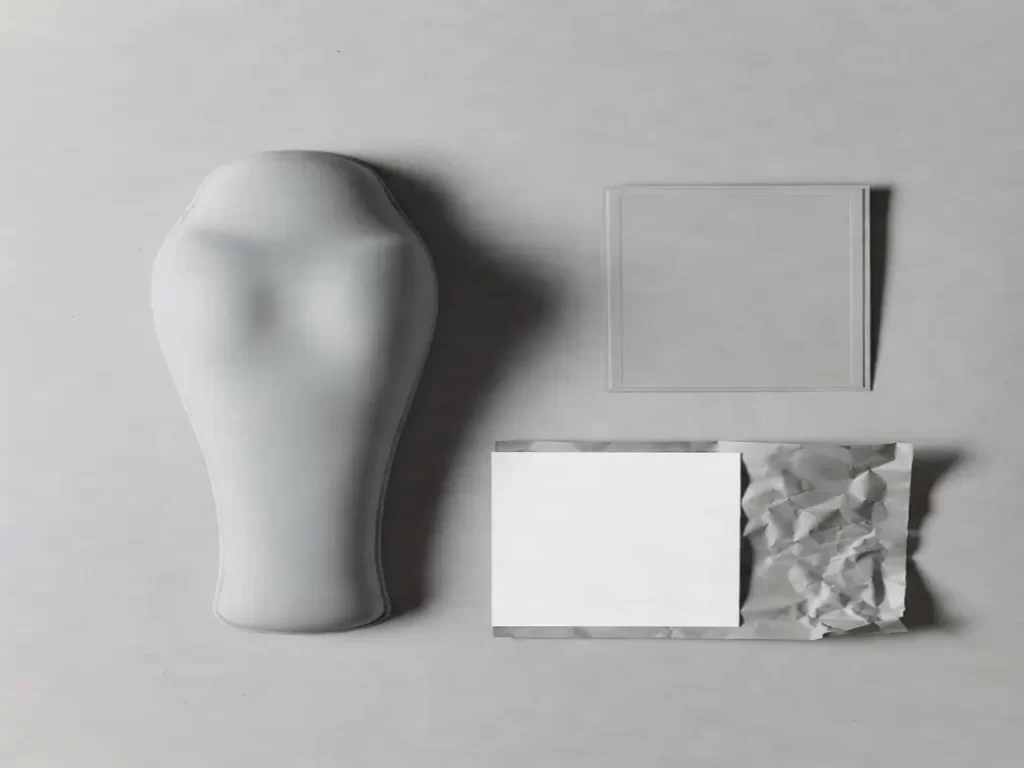


A stainless-steel dildo, glass dildo and silicone dildo can sit in the same room for hours and reach almost exactly the same temperature. Yet the metal product may feel noticeably colder when touched.
The difference is not necessarily the temperature shown by a thermometer. It is the speed at which heat moves between your skin and the product.
Metal transfers heat away from warm skin more quickly than silicone. The skin cools faster at the contact point, so the brain interprets the metal as colder.
This is the same reason a metal object feels colder than a fabric or wooden object stored beside it. University of Illinois physics guidance explains that metal feels colder at room temperature because it conducts heat away from the skin more effectively. University of Illinois explanation
For dildos, the initial sensation is also affected by weight, thickness, surface area, internal construction and storage temperature.
Quick Answer
Dildos feel different at the same room temperature because materials transfer heat at different rates.
In general:
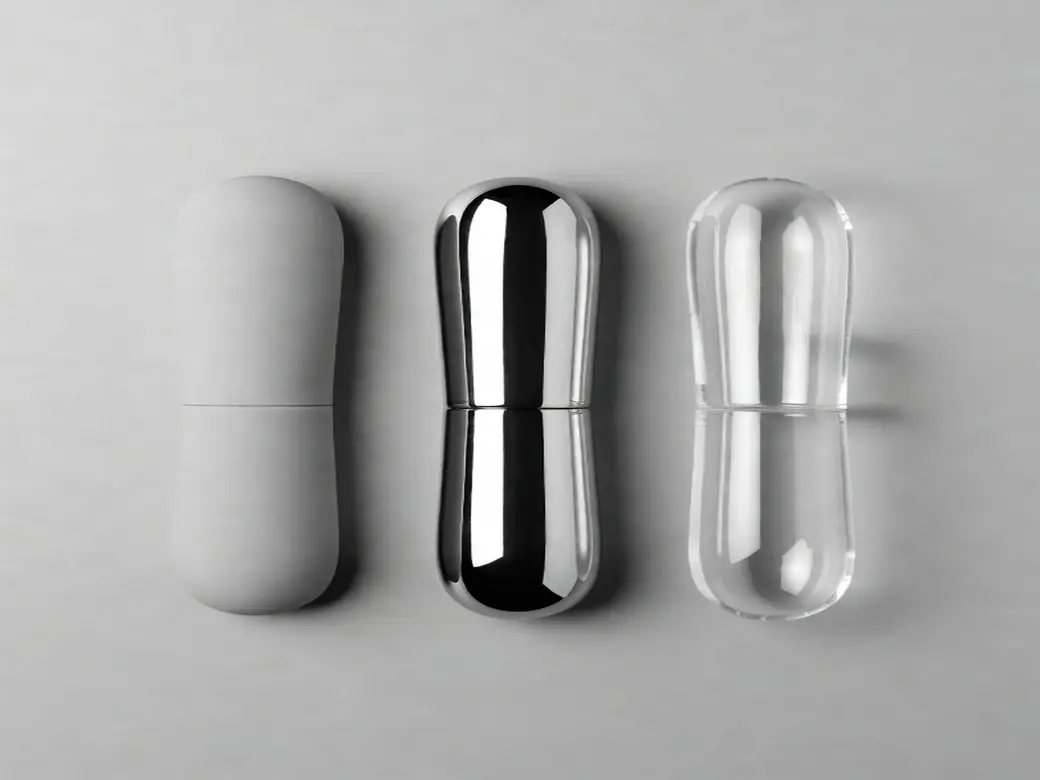
- Stainless steel transfers heat quickly and produces the strongest initial temperature sensation.
- Glass transfers heat more readily than most soft polymers but less aggressively than metal.
- Silicone is a relatively poor heat conductor, so its surface tends to feel less cold initially.
- TPE and TPR are broad material families, but most soft polymer formulations also transfer heat more slowly than metal.
- Heavy, solid products may maintain their starting temperature longer than thin or hollow products.
- Smooth, rigid surfaces can create more noticeable thermal contact than irregular surfaces.
A cold sensation alone does not indicate low quality, incorrect material or a defective dildo.
Temperature and Thermal Sensation Are Different
Temperature describes the thermal state of the object. Thermal sensation describes what happens when that object exchanges heat with the body.
If your skin is warmer than the dildo, heat moves from your skin into the product. The faster that transfer occurs, the colder the contact may feel.
If the dildo is warmer than your skin, the direction reverses. A heat-conductive material can then feel hotter than a low-conductivity material at the same measured temperature.
This is why metal can exaggerate both cold and warmth.
The effect depends on three main factors:
- Thermal conductivity
- Thermal mass
- Surface contact
Factor 1: Thermal Conductivity
Thermal conductivity describes how effectively heat moves through a material.
A high-conductivity material carries heat away from the contact area quickly. A low-conductivity material allows the surface touching the body to warm while slowing heat movement into the rest of the product.
Metal
Stainless steel is a much stronger heat conductor than silicone and most soft plastics. When cool metal touches warm skin, heat moves into the metal and spreads through the product.
This creates a pronounced cold sensation, particularly with a solid, heavy design.
Glass
Glass does not conduct heat as rapidly as stainless steel, but it generally transfers heat more effectively than common soft polymer materials.
The U.S. Department of Energy has noted in a materials comparison that glass conducts heat several times more effectively than common plastics. U.S. Department of Energy materials presentation
The exact behavior depends on the type, thickness and construction of the glass product.
Silicone
Silicone elastomers are poor heat conductors compared with metal. Wacker reports a typical thermal conductivity of approximately 0.2 W/m·K for silicone elastomer in one of its technical publications. Wacker silicone material information
That does not mean every silicone formulation has an identical value. It explains the general insulating behavior that makes many silicone dildos feel less cold on initial contact.
Factor 2: Thermal Mass
Thermal conductivity explains how quickly heat moves. Thermal mass helps explain how much energy the product can absorb before its overall temperature changes substantially.
A large, solid and heavy dildo contains more material than a small hollow one. It may therefore take longer for the complete product to approach body temperature.
Compare:
- A solid stainless-steel dildo
- A thin-walled glass dildo
- A hollow silicone dildo
- A silicone-coated electronic dildo
Even when their surfaces start at the same temperature, they may warm at different rates because their mass and internal construction differ.
A lightweight product does not automatically warm faster at every point, but it generally contains less material that must change temperature.
Factor 3: Surface Contact
The amount of contact between the product and skin affects how noticeable the temperature feels.
A smooth, rigid surface can make close, continuous contact. A deeply textured surface may initially touch at fewer points. A soft material can conform to the body, increasing contact, but its low thermal conductivity may still keep the sensation relatively mild.
Surface moisture and lubricant can also change thermal contact. A wet product may feel cooler because the liquid increases contact and can carry heat away from the surface.
This is one reason a freshly washed dildo may feel colder than the same product after it has been dry at room temperature.
How Common Dildo Materials Compare
| Material | Initial temperature sensation | Heat-transfer behavior | Factors that change the result |
|---|---|---|---|
| Stainless steel | Usually strongest | Transfers heat quickly | Weight, solid construction and room temperature |
| Glass | Noticeable | Faster than most soft polymers, slower than metal | Wall thickness, solid/hollow design and glass type |
| Silicone | Usually milder | Transfers heat slowly | Formulation, thickness and internal core |
| TPE/TPR | Usually mild | Generally slow, but formulations vary | Density, oil content, softness and construction |
| ABS plastic | Usually mild | Relatively low conductivity | Shell thickness and internal electronics |
| Mixed-material electronic dildo | Variable | Outer material and internal components both matter | Motor, battery, shell thickness and operating time |
This table describes general tendencies, not guaranteed temperature rankings for every product.
Why Stainless-Steel Dildos Feel Especially Cold
Stainless steel combines several characteristics that strengthen the initial sensation:
- Higher thermal conductivity than soft polymers
- Rigid, smooth surface
- Often solid construction
- Relatively high weight for its size
- Efficient heat distribution throughout the product
When the steel is cooler than the body, it continues drawing heat into its larger mass instead of allowing only the contact surface to warm immediately.
The same property allows metal to communicate warmth efficiently when its temperature is above skin temperature. This is why careless heating can become uncomfortable quickly.
A glass vs metal dildo guide should compare weight, rigidity and handling, while this article remains focused on heat transfer.
Why Silicone Usually Feels Less Cold
Silicone slows the movement of heat into the rest of the dildo. The thin surface layer touching the body begins warming without transferring that heat as quickly through the complete product.
The experience may be influenced by:
- Outer-layer thickness
- Single- or dual-density construction
- Hollow or solid shaft
- Internal motor housing
- Surface texture
- Dildo size
- Starting temperature
A thick silicone coating over a rigid core may feel different from a solid silicone dildo, even when both product pages use the same material label.
See the dildo materials guide for construction and care differences that are unrelated to temperature.
TPE and TPR Temperature Feel Can Vary
TPE and TPR include many formulations. They are often soft and relatively low in thermal conductivity, but density, additives, surface coatings and internal structures vary between products.
A soft TPE dildo may feel warmer at first contact than glass, yet still remain cool inside after its surface has warmed.
Temperature feel cannot be used to distinguish TPE from silicone. Both can be designed with similar softness and surface texture.
Use how to tell if a dildo is silicone for material verification rather than relying on whether a product feels warm or cold.
Why Electronic Dildos May Develop Warm Spots
A vibrating or thrusting dildo can gradually warm while operating because its motor, battery and electronics generate heat.
Mild, evenly distributed warmth may reflect normal operation, but stop using the product if it:
- Becomes unusually hot
- Develops one concentrated hot spot
- Produces a burning smell
- Changes shape
- Shuts down unexpectedly
- Has a swollen battery area
- Shows damaged charging contacts
Do not submerge or cool an electronic dildo unless its waterproof rating and manufacturer instructions permit it. Review waterproof vs water-resistant dildos before placing a powered product in water.
Storage Location Changes the Starting Temperature
A product stored near an exterior wall, air-conditioning vent, window, radiator or bathroom surface may begin noticeably cooler or warmer than the center of the room.
Packaging also matters. A dildo delivered during cold weather can remain cool internally after the surface appears to have reached room temperature—especially when it is large, solid or made from metal.
Allow a newly delivered product to rest indoors before evaluating its normal temperature feel.
The next part will explain how to warm or cool different dildo materials without relying on dangerous temperature extremes.
How to Bring a Dildo to a Comfortable Temperature
The goal should be a mild, predictable temperature—not an extreme hot-or-cold sensation.
Before changing the temperature, confirm:
- The product’s material
- Whether it contains electronics
- Whether it is waterproof
- Whether the manufacturer permits warming or cooling
- Whether the surface has cracks, chips or damaged seams
- Whether all removable components are installed correctly
If the material is unknown, allow the dildo to reach room temperature naturally instead of placing it in hot or cold water.
A Conservative Temperature-Adjustment Method
For a non-electronic dildo whose manufacturer permits contact with water:
- Begin with the product at room temperature.
- Use comfortably warm or cool—not extreme—water.
- Expose the dildo gradually rather than changing its temperature suddenly.
- Remove it and dry the complete surface.
- Check the temperature with your hand and then on a small area of sensitive external skin.
- Wait briefly and check again before use.
A material that transfers heat quickly may feel more intense than expected even when the water seemed comfortable.
Do not rely only on the temperature of the water. A heavy steel or glass dildo can store enough thermal energy to maintain its new temperature after removal.
How to Warm a Silicone Dildo
Silicone is a poor heat conductor, so it generally warms more slowly and creates a milder initial sensation than metal.
For a simple non-electronic silicone dildo, conservative options include:
- Allowing it to reach room temperature naturally
- Holding it in clean hands
- Placing it in comfortably warm water if the manufacturer permits
- Warming the room or storage location rather than the product directly
A thick or dual-density dildo may take longer to warm throughout. The outer surface can feel comfortable while the inner core remains cooler.
Do not assume that every silicone dildo can be boiled. Motors, adhesives, internal rods, coatings and other materials may not tolerate high temperatures even when the exterior is silicone.
Review how to tell if a dildo is silicone before applying heat to a product with uncertain material information.
How to Warm a Glass Dildo
Only change the temperature of a glass dildo when:
- The manufacturer identifies the glass type
- The product is intended for temperature changes
- The surface is free from chips and cracks
- The care instructions permit the method
Borosilicate glass has better resistance to temperature fluctuations than conventional soda-lime glass because of its low thermal expansion. However, improved thermal-shock resistance does not make every glass product immune to cracking.
SCHOTT describes borosilicate as more thermally resistant than conventional glass and able to withstand temperature fluctuations more effectively. SCHOTT borosilicate glass overview
Use gradual temperature changes. Avoid moving a glass dildo directly between very cold and very hot environments.
Do not heat glass with:
- An open flame
- A hot plate
- An oven
- A microwave
- Boiling water unless the product manufacturer specifically approves it
- Direct contact with a radiator or heater
After warming, inspect the dildo again under bright light. Stop using it if you find a chip, crack, rough point or internal line that was not previously present.
How to Warm a Stainless-Steel Dildo
Stainless steel responds quickly to temperature changes and communicates that temperature efficiently to the body.
If permitted by the manufacturer, warm water can change the temperature gradually. Rotate the product so the complete surface changes evenly, then dry it thoroughly.
Because metal feels more intense than silicone at the same temperature:
- Begin with a smaller temperature difference
- Recheck the complete surface
- Pay attention to heavy solid products
- Avoid concentrated heat sources
- Stop immediately if the temperature feels sharp or uncomfortable
Never heat a metal dildo with a flame, stove, hot plate, oven or hair dryer. Localized heating can create hot areas that are difficult to detect from another part of the product.
What About TPE, TPR and PVC?
These material labels cover many formulations, so there is no universal warming method.
High heat may soften, deform or damage some thermoplastic products. A product may appear unchanged at first while its surface, shape or internal structure has been affected.
For TPE, TPR or PVC dildos:
- Follow the exact manufacturer instructions
- Avoid boiling unless expressly approved
- Do not use an oven or microwave
- Do not place the product on a heater
- Do not attempt to reshape it with heat
- Stop if the surface becomes oily, sticky, warped or unusually soft
A silicone vs TPE dildo guide can explain why these material families respond differently to heat and storage.
How to Handle Electronic Dildos
Powered dildos require additional caution because motors and batteries can generate their own heat.
Do not place an electronic dildo in water unless its stated water-protection level and instructions permit it. “Washable” does not automatically mean submersible.
Safer ways to reduce an initial cold feeling may include:
- Letting the product rest at room temperature
- Holding the shaft briefly in clean hands
- Using a manufacturer-designed warming feature
- Keeping it away from cold storage locations
A heating function should include clear controls and operating instructions. Stop use if the dildo develops:
- One concentrated hot spot
- Unusual battery warmth
- Swelling
- A burning smell
- Unstable motor behavior
- Unexpected shutdowns
- Deformed material near the battery
Do not continue running a motor simply to warm the shaft.
Safe-Method Comparison
| Dildo type | Conservative approach | Avoid |
|---|---|---|
| Non-electronic silicone | Room temperature, hands or permitted warm water | Direct heat and unapproved boiling |
| Borosilicate glass | Gradual water-temperature change if approved | Sudden extremes, flame, oven or microwave |
| Stainless steel | Mild warm or cool water if approved | Stove, hot plate, flame or freezer |
| TPE/TPR/PVC | Natural room temperature or manufacturer method | High heat and reshaping attempts |
| Electronic dildo | Room temperature or built-in warming feature | Unapproved immersion and external heating |
| Unknown material | Natural room-temperature adjustment only | Water extremes, boiling, freezing or flame |
Cooling a Dildo Requires the Same Caution
Cooling may feel less dangerous than heating, but extreme cold can also cause discomfort, numbness or material stress.
Avoid:
- Leaving a dildo in a freezer
- Applying dry ice
- Placing it directly on ice for an extended period
- Moving glass from extreme cold into hot water
- Cooling electronic products unless approved
- Using the product while its surface feels painfully cold
A cool-water bath may be appropriate for certain non-electronic products when the manufacturer permits it. Gradual change is more controllable than freezing.
Numbness is not a useful indicator of a successful temperature experience. If sensation decreases sharply, stop and allow the product and body to return to a comfortable temperature.
Why Extreme Temperature Methods Are Unpredictable
Microwaves Heat Unevenly
A product may contain pigments, metal components, electronics or internal structures that respond differently. The exterior can also hide a hotter internal area.
Ovens and Hot Plates Create Excessive Heat
These appliances are designed for cooking, not controlled warming of intimate products. Contact surfaces can produce concentrated hot spots.
Open Flames Damage Materials
Flames can char silicone, melt thermoplastics, heat metal rapidly and weaken glass. They can also produce smoke and fumes.
Freezers Encourage Overcooling
A product left in a freezer may become much colder than intended. Soft materials may stiffen, while sudden temperature changes can stress glass and mixed-material construction.
Hot Cars and Direct Sunlight Are Uncontrolled
Vehicle interiors and sunny windows can become much warmer than the surrounding air. Prolonged heat may also affect batteries, adhesives and soft materials.
When to Stop
Stop temperature adjustment or use immediately if you notice:
- Burning or stinging
- Pain
- Numbness
- Persistent skin color changes
- Cracking or chipping
- Warped material
- Surface stickiness
- Battery swelling
- A burning smell
- Unusually concentrated heat
Allow the product to return naturally to room temperature. Do not attempt to correct an overheated product by immediately placing it in ice water.
If symptoms continue after the product has been removed, seek appropriate medical advice.
Choosing a Dildo Based on Temperature Sensitivity
If you dislike an initially cold surface, consider:
- Silicone construction
- A smaller or lighter product
- A soft outer layer
- Room-temperature storage
- A manufacturer-designed warming feature
If you want a material that responds clearly to controlled temperature changes, glass or stainless steel may be more suitable—provided the product is made for that purpose and handled conservatively.
Do not choose by material alone. Weight, wall thickness, internal construction and surface area can change the result.
Frequently Asked Questions
Why does metal feel colder than glass?
Stainless steel generally transfers heat more quickly than glass. It may also be heavier and solid, allowing it to absorb more heat from the contact area.
Why is my silicone dildo cold after washing?
Water increases surface contact, and evaporation can make the product feel cooler. Dry it completely and allow it to return to room temperature.
Can I microwave a dildo?
No. Microwaves can heat materials and internal components unevenly. Use only temperature methods approved by the manufacturer.
Can I put a glass dildo in the freezer?
Freezing creates an unnecessarily extreme temperature and may increase thermal-shock risk during later warming. Use gradual cooling only when the manufacturer permits it.
Can I boil a silicone dildo to warm it?
Boiling should be treated as a sanitation method only when specifically approved for that product—not as a warming method. Never boil electronic or mixed-material dildos.
Why does my vibrating dildo become warm?
Motors and batteries generate heat during operation. Mild warmth may occur, but a hot spot, swelling, odor or sudden shutdown is a reason to stop use.
Does a cold dildo mean it is not silicone?
No. Starting temperature, storage location, thickness and internal construction all affect thermal sensation. Temperature feel cannot authenticate a material.
What type of dildo warms fastest?
Metal generally responds fastest to external temperature changes, followed by glass. Silicone and many soft polymers transfer heat more slowly.
Final Thoughts
A dildo can feel colder than another product even when both are at the same measured temperature. The difference comes from heat-transfer rate, thermal mass and surface contact.
Metal communicates temperature most strongly. Glass also creates a noticeable response, while silicone and many soft polymers usually produce a milder initial sensation.
Adjust temperature gradually, follow the manufacturer’s instructions and avoid appliances or extreme environments. The objective is controlled comfort—not maximum heat or cold.
Choose a dildo whose material, weight and construction match your temperature preference, and always inspect it before and after any approved temperature change.