
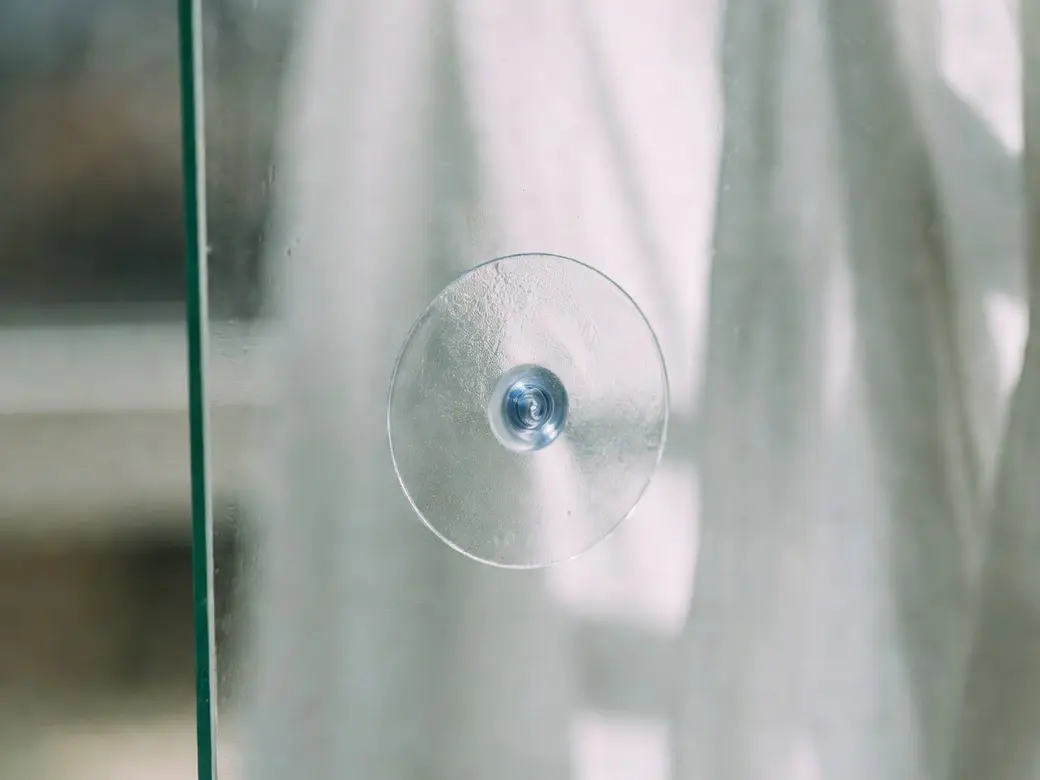
A suction-cup dildo may hold securely during use but leave a circular mark after it is removed. On glass or tile, the mark may look like a cloudy ring. On furniture, plastic or painted surfaces, it may appear oily, darker than the surrounding area or slightly discolored.
Some rings are simply moisture, lubricant or cleaning residue and can be removed easily. Others result from prolonged pressure, material transfer or a reaction involving the mounting surface. The appearance of the mark, the type of surface and how long the dildo remained attached can help identify the cause.
Before applying a strong cleaner, examine both the dildo and the surface. An unsuitable cleaning product may cause more damage than the original mark.
Why Does a Suction Cup Leave a Circular Mark?
A suction cup forms a seal by pressing its flexible edge against a relatively smooth surface and reducing the air beneath it. This creates close contact between the bottom of the cup and the mounting area.
The pressure and contact can reveal or leave behind substances that were already present, including:
- Water
- Lubricant
- Soap residue
- Dust
- Skin oils
- Furniture polish
- Cleaning-product film
- Residue on the dildo’s base
The circular shape does not necessarily mean that the dildo material has damaged the surface. It often follows the outline of the suction cup because that is where moisture, pressure and residue were concentrated.
A mark deserves closer attention if it cannot be removed with an appropriate gentle cleaning method, if the surface texture has changed or if discoloration remains after the area is completely dry.
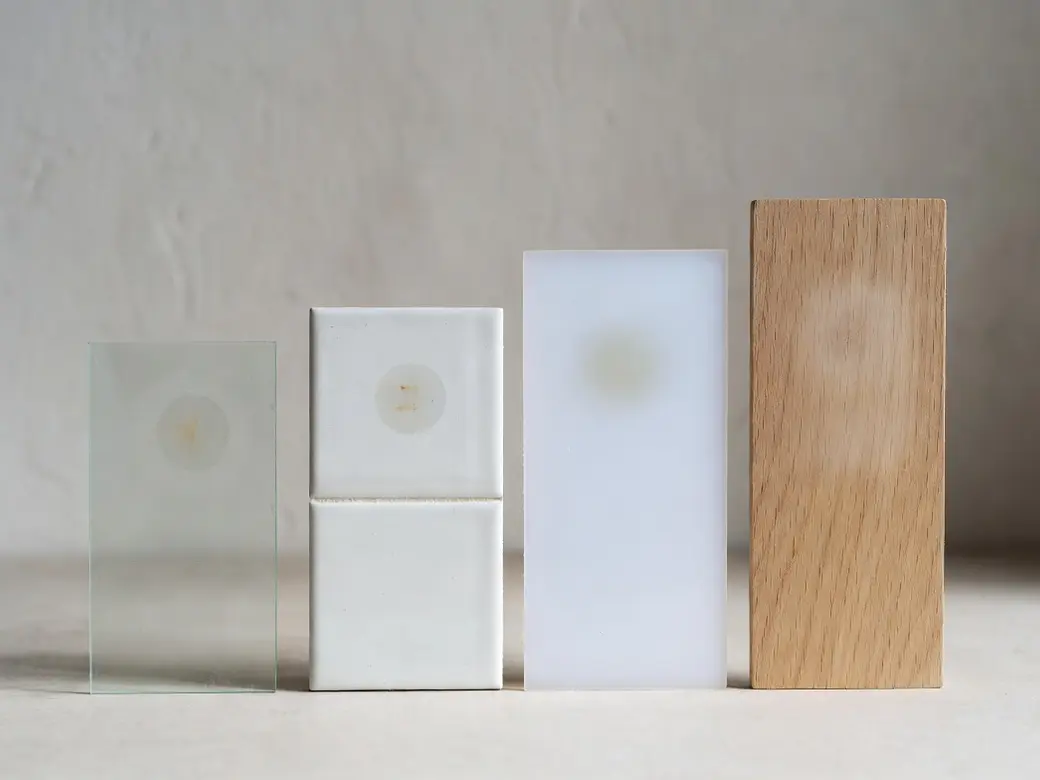
Common Types of Suction-Cup Marks
Not all rings have the same cause. Identifying the appearance of the mark is the first step toward dealing with it safely.
Cloudy Rings on Glass or Tile
A pale or cloudy circle on glass, glazed tile or a mirror is often caused by dried water, soap or cleaner. When the suction cup presses against the surface, moisture can collect near its edge. After removal, evaporation leaves a visible mineral or product residue.
This type of ring may become more noticeable in areas with hard water. It often feels smooth and does not permanently change the color of the surface.
If the mark appears only under certain lighting and disappears after appropriate cleaning, it is probably a surface deposit rather than material damage.
Oily or Greasy-Looking Marks
An oily ring may come from lubricant, body oil, furniture products or residue on the suction cup. Even a small amount can spread into a thin film when compressed beneath the base.
Inspect the bottom of the dildo. If it feels unusually oily immediately after washing and drying, confirm the product’s material and care instructions. Some soft products may develop surface changes that should not be confused with ordinary lubricant residue.
Do not use a harsh degreaser on the dildo unless the manufacturer confirms that it is compatible. The cleaner suitable for a tiled surface may be unsuitable for a soft product.
Temporary Dark or Light Pressure Marks
On some surfaces, pressure can temporarily alter how light reflects from the finish. A darker ring on fabric-covered furniture, vinyl or a coated surface may fade as moisture evaporates and the material returns to its normal position.
A temporary imprint is more likely when the ring:
- Matches the exact edge of the suction cup
- Appears immediately after removal
- Has no sticky residue
- Gradually becomes lighter
- Does not feel different from the surrounding area
If the finish remains indented, changes texture or begins peeling, the suction cup may have affected more than its appearance.
Permanent Discoloration or Dye Transfer
Colored soft materials can occasionally leave visible discoloration on pale or porous surfaces, particularly after prolonged contact. A stain may also result from lubricant, cleaner or another substance trapped beneath the cup rather than from the dildo itself.
Possible high-risk surfaces include:
- Unsealed wood
- Light-colored vinyl
- Soft plastics
- Painted furniture
- Wallpaper
- Porous stone
- Laminated surfaces with a delicate finish
- Recently painted walls
A stain that remains after gentle cleaning and complete drying may be permanent. Avoid repeatedly applying stronger chemicals without checking the surface manufacturer’s care instructions.
A Raised, Sticky or Damaged Finish
If the mounting area becomes tacky, softened, bubbled or peeled, stop using that surface. This may indicate an interaction between the surface finish and something trapped beneath the suction cup.
Possible contributors include material contact, lubricant ingredients, cleaning products, heat and prolonged pressure. It is difficult to identify the exact cause from appearance alone.
Do not attach the dildo to another area of the same surface until you understand what happened.
Does the Mark Come From the Dildo or the Surface?
Start by inspecting each item separately.
Clean the suction cup according to its instructions and allow it to dry fully. Place it on a clean white cloth or paper for a short observation period without applying unnecessary pressure. Check whether it leaves visible oil, color or residue.
Next, inspect the mounting surface before attaching anything to it. Some surfaces already contain polish, cleaning film or oils that become visible only when redistributed by the suction cup.
Ask the following questions:
- Was the surface completely clean and dry?
- Was lubricant present near the base?
- Had furniture polish or cleaner recently been applied?
- Does the bottom of the suction cup feel oily?
- Is the mark removable after drying?
- Did the color or texture of the surface change?
- Has the same dildo left marks on other surfaces?
- Have other suction cups marked this surface?
If several clean suction cups leave similar rings, the mounting surface or its finish may be the main factor. If one dildo repeatedly transfers residue to multiple clean surfaces, inspect the product more closely.
Our dildo material care guide can help you recognize ordinary residue and more concerning surface changes.
Why Mounting Surface Matters
Suction strength is not the only factor when choosing where to attach a dildo. A surface can hold the cup securely while still being vulnerable to pressure, residue or discoloration.
Glass and Mirrors
Smooth glass usually provides a strong seal and is relatively easy to inspect. However, water spots, soap and cleaning products can create visible rings.
Be cautious with thin, cracked or loosely mounted glass. Never assume a surface is structurally suitable simply because the suction cup attaches to it.
Glazed Tile
Glazed tile is often easier to clean than porous materials. Grout lines interrupt the seal and can collect residue, so position the entire suction cup on one tile where possible.
Natural stone and unsealed tile require more caution because their porosity and cleaning requirements differ.
Acrylic and Plastic Surfaces
Plastic can be smooth enough for suction, but some plastics scratch, cloud, stain or react with products more easily than glass. Material transfer may also be more visible on pale plastic.
Test a hidden area first and avoid leaving the cup attached longer than necessary.
Painted Walls and Furniture
Painted surfaces are unpredictable because the result depends on the paint, age, preparation and underlying material. Suction can pull at weak paint or leave a ring in delicate finishes.
Recently painted surfaces may be particularly unsuitable. Paint can feel dry before it has fully cured, and a suction cup may leave an imprint or lift part of the finish.
Finished and Unfinished Wood
Wood is generally less suitable for suction. Grain and texture can prevent a reliable seal, while moisture or lubricant may affect the finish.
Unsealed wood can absorb liquid and develop a lasting stain. Even sealed furniture may contain a finish that responds poorly to prolonged contact.
How Long Was the Dildo Attached?
Contact time can influence both the mark and the surface. A suction cup attached briefly for use presents a different situation from one left mounted for several days.
Long contact allows more time for:
- Moisture to remain trapped
- Lubricant to spread
- Pressure to affect a soft finish
- Color or residue to transfer
- The surface beneath the cup to respond differently to light or air
- Heat to build near a sunny window
Remove the dildo after use rather than treating the mounting surface as permanent storage. Clean and dry both the base and mounting area before putting the dildo away.
Read our suction-cup dildo care guide for more information about protecting the base and maintaining a consistent seal.
Test Before Attaching the Dildo
When the surface is valuable, delicate or unfamiliar, test it before full use.
Choose a small, inconspicuous area made from the same material and finish. Clean and dry both the test area and suction cup. Press a small section of the cup against the surface for a short period, then remove it by lifting the edge to release the seal.
Check immediately and again after the area dries. Look for:
- Residue
- Color transfer
- Gloss changes
- Softening
- Stickiness
- Imprints
- Peeling
A successful short test does not guarantee that prolonged contact will be harmless, but it can reveal obvious incompatibility before a larger mark develops.
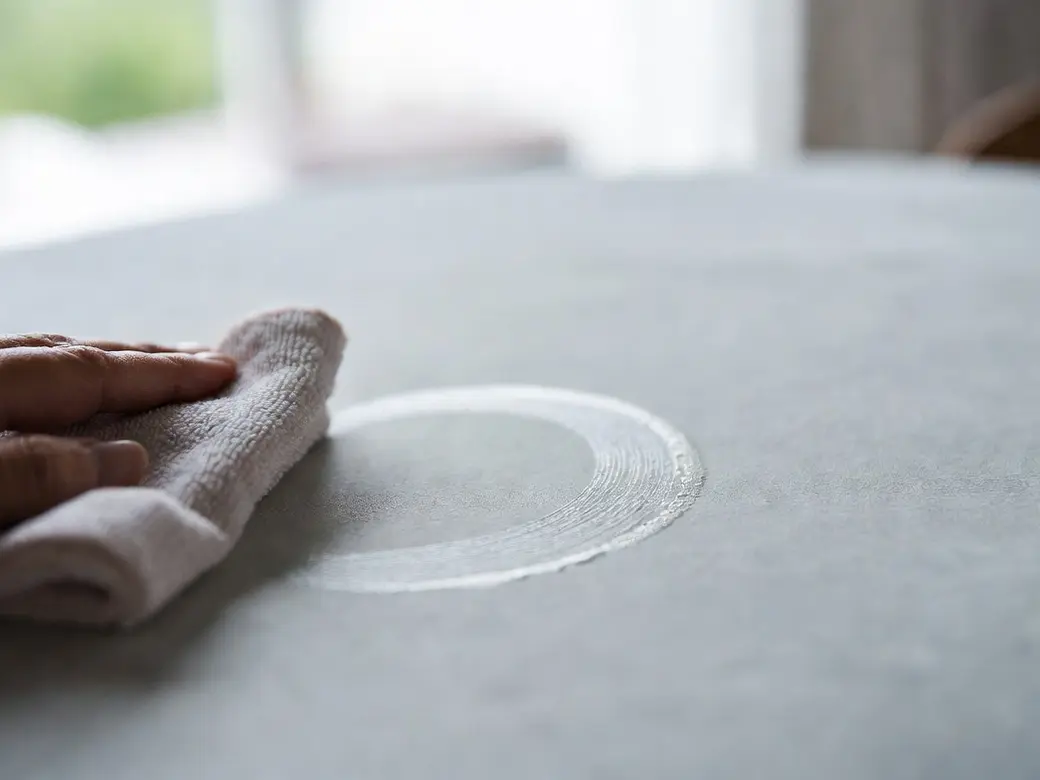
How to Remove a Suction-Cup Ring Safely
The safest cleaning method depends on the mounting surface and the substance that caused the mark. Begin with the gentlest option recommended for that surface. Do not immediately reach for alcohol, bleach, solvents or abrasive cleaners.
Before cleaning, remove loose residue with a soft, clean cloth. Test any product in a hidden area and allow the test spot to dry completely before using it on the visible ring.
Cleaning Marks From Glass and Mirrors
For ordinary water, soap or lubricant residue, use the cleaner normally recommended for the glass surface. Apply it to a cloth rather than spraying heavily around frames, seals or edges.
Wipe the ring gently, then dry the area with a clean, lint-free cloth. If the cloudy outline disappears while wet but returns after drying, mineral deposits or a remaining cleaning film may still be present.
Mirrors require additional care because liquid can enter around their edges and affect the backing. Avoid saturating the surface.
Cleaning Glazed Tile
Start with warm water and a cleaner approved for the tile. Wipe the area and rinse away remaining product so that another film does not replace the original ring.
Be careful around grout. A cleaner suitable for glazed tile may not be appropriate for colored, damaged or unsealed grout.
Natural stone should not be treated like ordinary ceramic tile. Acidic or abrasive products can alter some stone surfaces, so follow the stone supplier’s instructions.
Cleaning Plastic or Acrylic
Use a soft cloth and a cleaner explicitly suitable for the specific plastic or acrylic. Abrasive pads can leave fine scratches, while strong solvents may cause clouding, crazing or permanent surface changes.
If the ring is oily, do not assume that a stronger degreaser is safe. Multiple gentle passes are preferable to one aggressive treatment.
Stop if the area becomes dull, sticky or discolored.
Cleaning Painted Surfaces
Painted furniture and walls require caution. Begin with a dry microfiber cloth. If the mark remains, consult the paint or furniture-care instructions before adding moisture or cleaner.
Rub lightly. Strong friction can create a polished spot on matte paint or remove pigment from a delicate finish.
If the ring is actually an indentation, cleaning will not remove it. Allow the area time to recover without applying heat.
Cleaning Finished Wood
Follow the furniture maker’s cleaning instructions whenever possible. Avoid soaking the area because moisture can enter seams or damage the finish.
Wipe in the direction of the grain with a soft cloth. Do not use improvised mixtures, alcohol or abrasive powders unless they are specifically approved for that finish.
For valuable furniture or an unknown finish, professional advice may be less costly than experimenting with increasingly strong products.
Cleaning Vinyl and Upholstery
Check the care label or manufacturer’s instructions first. Blot liquid residue instead of rubbing it deeper into the material.
Vinyl can contain finishes or plasticizers that react poorly to some cleaners. Fabric upholstery may require a method based on its cleaning code, and excessive moisture can spread the stain or leave a larger ring.
Cleaning the Suction Cup Itself
Cleaning the mounting surface will not solve the problem if residue remains on the dildo.
Wash the suction cup using the care method provided for the product. Pay attention to the recessed area beneath the cup and the thin outer lip, where lubricant and soap can collect.
Rinse thoroughly. A suction cup can look clean while retaining a thin cleaning-product film that becomes visible when pressed against glass.
Allow the base to dry completely before storage or retesting it. Place the dildo on a clean surface that does not compress or fold the cup.
If residue reappears after repeated appropriate cleaning, examine whether it may be coming from the product rather than from use.
When the Dildo May Be the Source of the Mark
A suction cup that continually leaves oily or colored residue on multiple clean surfaces may be experiencing a material change. This is more concerning when the product also feels different from when it was new.
Look for:
- Persistent oiliness after cleaning and drying
- New stickiness
- Swelling
- Color transfer to a white cloth
- Peeling or flaking
- A stronger or changed odor
- Softening around the base
- Cracks or separation near the shaft
- Residue returning without lubricant use
Do not diagnose the material only from one mark. Lubricant, storage products and cleaners can also leave films. Eliminate these possibilities by reviewing what contacted the dildo recently.
If the surface continues releasing residue, contact the manufacturer or seller. Provide the product name, stated material, age, cleaning method, lubricant used and photographs of both the base and the marks.
Our guide to why a dildo becomes oily or sticky can help you investigate changes affecting the product itself.
Cleaning Methods to Avoid
Using an unsuitable cleaner may permanently alter the mounting surface or dildo.
Avoid the following unless the relevant manufacturer specifically approves them:
- Acetone or nail-polish remover
- Paint thinner and other solvents
- Undiluted bleach
- Abrasive powders
- Scouring pads
- Magic erasers on delicate finishes
- Steam cleaners
- Strong acidic mixtures
- Concentrated degreasers
- Essential oils
- Heat from a hair dryer
A melamine foam cleaner, commonly sold as a magic eraser, acts as a fine abrasive. It can change the sheen of painted, plastic and finished surfaces even when it appears to remove the mark successfully.
Do not combine cleaning products. Chemical mixtures can create dangerous fumes or damage surfaces unpredictably.
How to Prevent Future Rings and Stains
Preventing marks is usually easier than removing them.
Clean Both Surfaces Before Use
Wipe the mounting area with a method suitable for that material. Clean and rinse the suction cup, then allow both surfaces to dry.
Dust and residue can weaken suction while also creating a visible ring.
Keep Lubricant Away From the Suction Cup
Lubricant can spread toward the base during use. Apply only the amount needed and wipe away any product that reaches the suction cup or mounting surface.
Excess lubricant may weaken the seal and leave an oily outline after removal.
Choose a Suitable Mounting Surface
Smooth, nonporous and easy-to-clean surfaces are generally more predictable than painted, porous or delicate finishes. Surface strength also matters.
Do not attach a heavy dildo to loose tile, thin glass, unstable furniture or a surface that may break or detach under force.
Avoid Prolonged Attachment
Remove the dildo after use. Leaving it attached for hours or days increases contact time and may trap moisture or residue.
Release the seal by lifting one edge of the suction cup instead of pulling forcefully on the shaft.
Use a Dedicated Mounting Platform
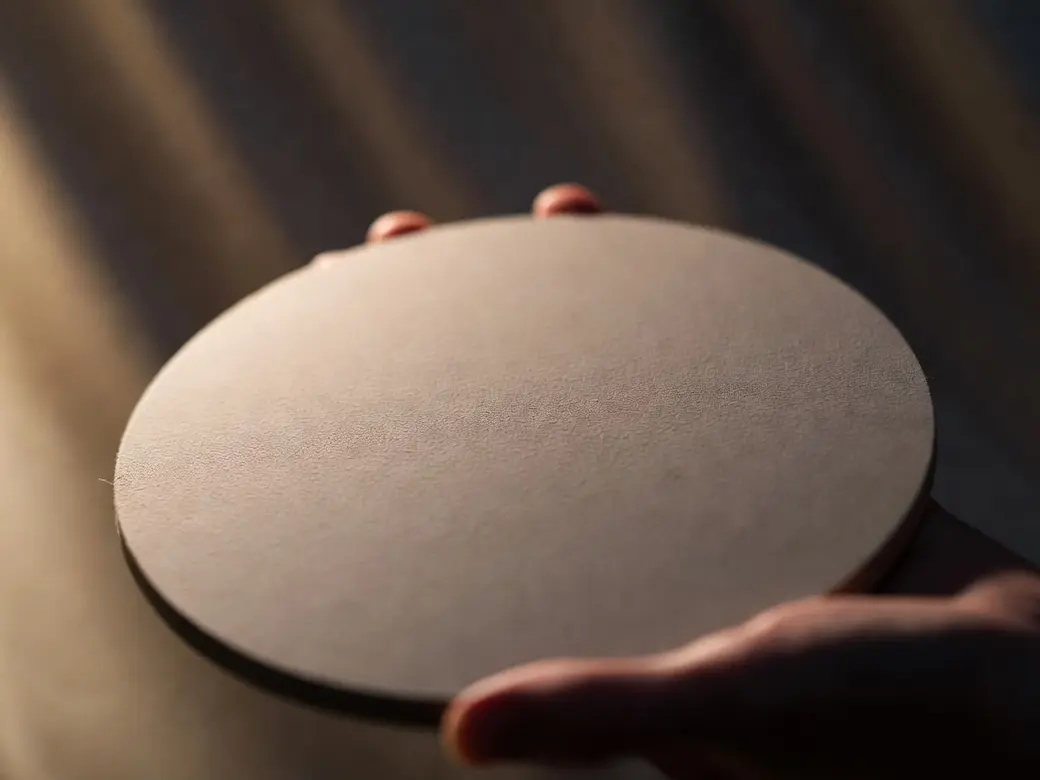
If you frequently use suction-cup dildos, a compatible dedicated platform can reduce the need to test household finishes. A smooth mounting plate may also be easier to clean and replace than furniture or painted surfaces.
Confirm that the platform is stable and large enough for the dildo’s base and weight.
Perform a Hidden-Area Test
Test unfamiliar surfaces before attaching the entire cup. Inspect the test area immediately and again after it has dried.
Repeat the test when using a new lubricant or cleaner, because the combination of products may behave differently even if the suction cup was previously suitable.
When Is the Surface Damage Permanent?
A removable film should improve after appropriate cleaning. More serious damage may remain because the surface itself has changed.
Possible signs of permanent or professional-level damage include:
- Paint lifting from the wall
- A glossy ring on matte paint
- Clouding inside plastic rather than on its surface
- A softened or sticky furniture finish
- Dye that has penetrated porous material
- Swelling or warping in wood
- Peeling laminate
- A lasting indentation
- Cracks around the mounting area
Stop experimenting if gentle, approved cleaning does not improve the mark. Repeated treatment can expand the damaged area.
For rented accommodation, valuable furniture or natural stone, document the mark and seek appropriate surface-care advice before attempting a stronger method.
Frequently Asked Questions
Why Does My Suction Cup Leave a Cloudy Ring on Glass?
The ring is often caused by dried water, soap, lubricant or glass-cleaning residue concentrated around the cup’s edge. Clean and dry both the glass and suction cup, then check whether the mark returns.
Can a Silicone Suction Cup Stain a Surface?
A stain can come from the product, but it can also come from lubricant, cleaner, furniture polish or another substance trapped beneath the cup. Test the cleaned product on a suitable hidden area before identifying the cause.
Is It Safe to Attach a Suction-Cup Dildo to a Painted Wall?
Painted walls can be vulnerable to pressure, moisture and peeling. Paint type, age and surface preparation all affect the result. A smooth wall may hold suction while still being unsuitable for the finish.
Why Is the Ring Oily Even Though I Did Not Use Much Lubricant?
Small amounts of lubricant, skin oil or cleaning residue can spread into a thin film under pressure. If a clean, dry dildo repeatedly releases oily residue, inspect it for possible material changes.
Can I Leave a Suction-Cup Dildo Attached Between Uses?
It is better to remove, clean, dry and store it after use. Prolonged contact increases the risk of trapped moisture, residue, pressure marks and damage to delicate finishes.
Will Alcohol Remove the Mark?
Alcohol may remove certain residues but can damage paint, plastics, wood finishes and other surfaces. Use it only when the surface manufacturer confirms compatibility.
Why Did the Mark Appear Only After the Surface Dried?
Some cleaning films and mineral deposits become more visible as water evaporates. Drying can also reveal changes in gloss that were difficult to see while the area was wet.
What Is the Best Surface for a Suction-Cup Dildo?
A strong, stable, smooth and nonporous surface that tolerates cleaning is generally preferable. Suitability still depends on the surface construction, finish, dildo weight and direction of force.
Final Thoughts
A circular mark from a suction-cup dildo is often a removable deposit of water, lubricant, soap or cleaning residue. However, persistent discoloration, stickiness, peeling or texture changes may indicate damage to the mounting surface or deterioration of the product.
Identify the surface material before cleaning and begin with the gentlest approved method. Avoid strong solvents, abrasives and improvised chemical mixtures.
For future use, clean and dry both contact surfaces, keep lubricant away from the base, avoid prolonged attachment and test delicate finishes in a hidden area. A dedicated mounting platform may be a sensible choice when protecting furniture and walls is a priority.
Read our suction-cup dildo guides for advice about mounting surfaces, stability, cleaning and product selection.
Suggested Images and ALT Text
Featured Image ALT:
Circular mark left by a suction-cup dildo on a smooth glass surface
Surface Comparison Image ALT:
Suction-cup dildo marks on glass tile plastic and painted furniture
Cleaning Image ALT:
Gently removing suction cup residue with a soft cloth
Inspection Image ALT:
Checking the base of a suction-cup dildo for oily residue and material changes