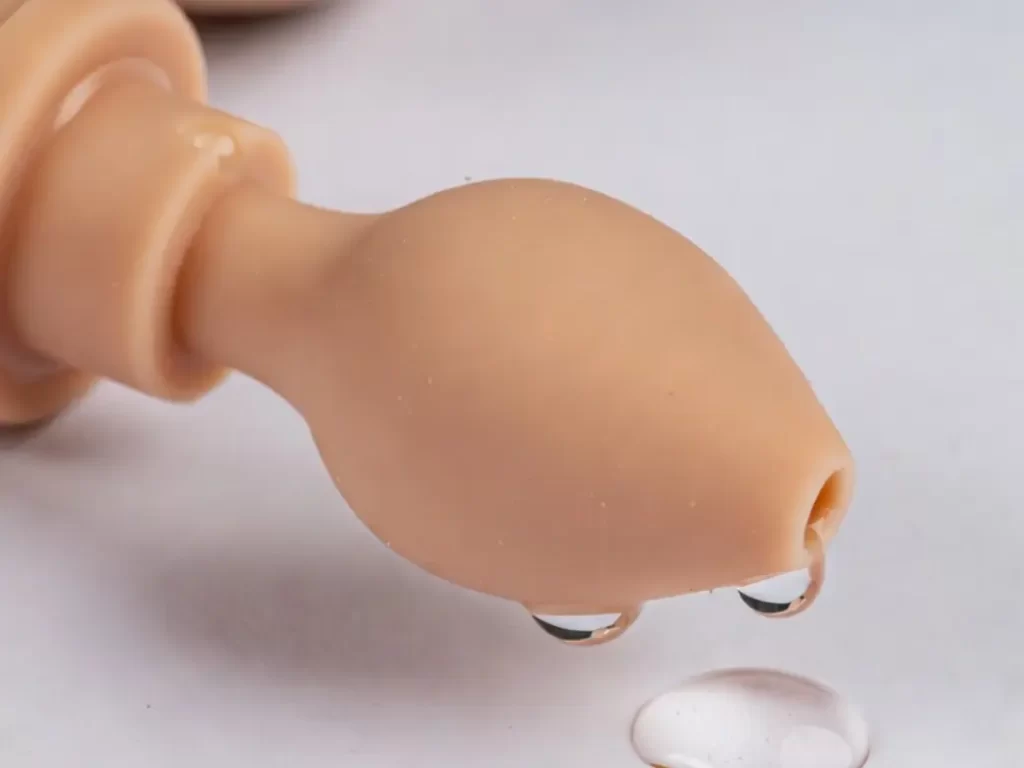

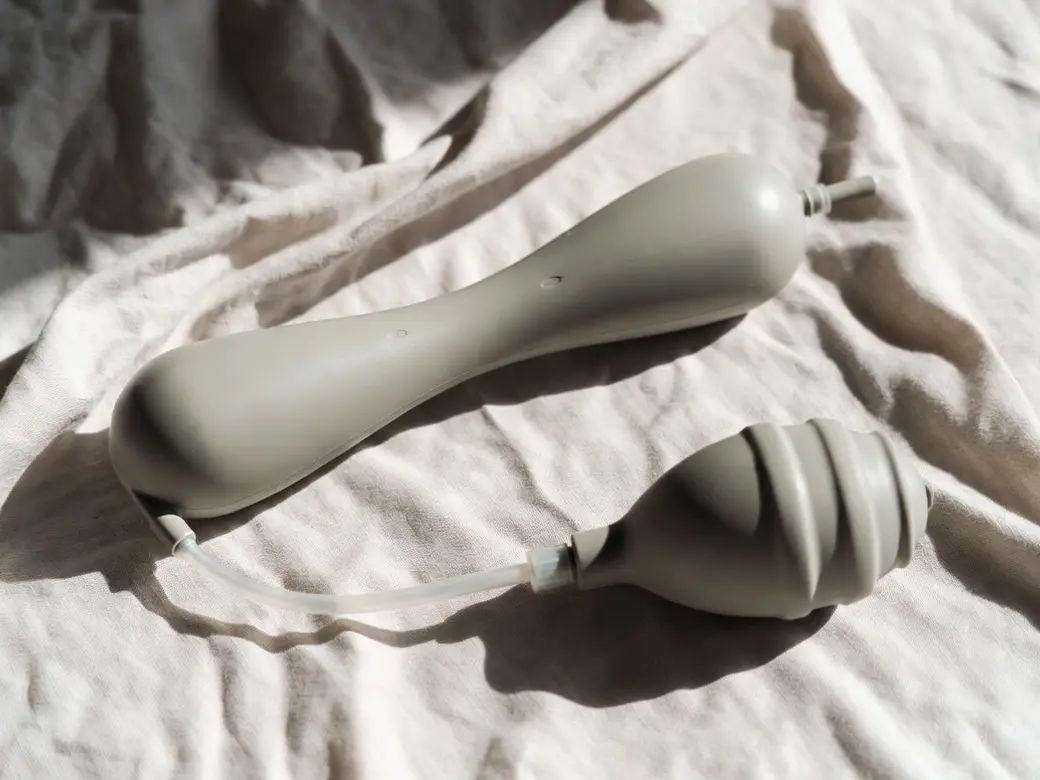
An inflatable dildo is designed to expand gradually, but problems can occur when the product will not inflate, loses firmness or slowly returns to its original size. The cause may be as simple as an incompletely closed valve, or it may involve a damaged hose, pump or inflatable chamber.
A slight change in firmness does not always confirm a leak. Air pressure can respond to temperature, the material may stretch after inflation and some pump systems retain a small amount of air in their tubing. However, rapid or repeated deflation requires closer inspection.
Do not solve the problem by pumping harder or connecting the dildo to a powered air compressor. Inflatable products have design limits, and excessive pressure can damage the chamber, seams or valve.
How Does an Inflatable Dildo Work?
Inflatable dildos do not all use the same mechanism. Understanding the product’s system makes troubleshooting easier.
Common designs include:
- A hand-squeezed bulb connected by a tube
- A built-in manual pump
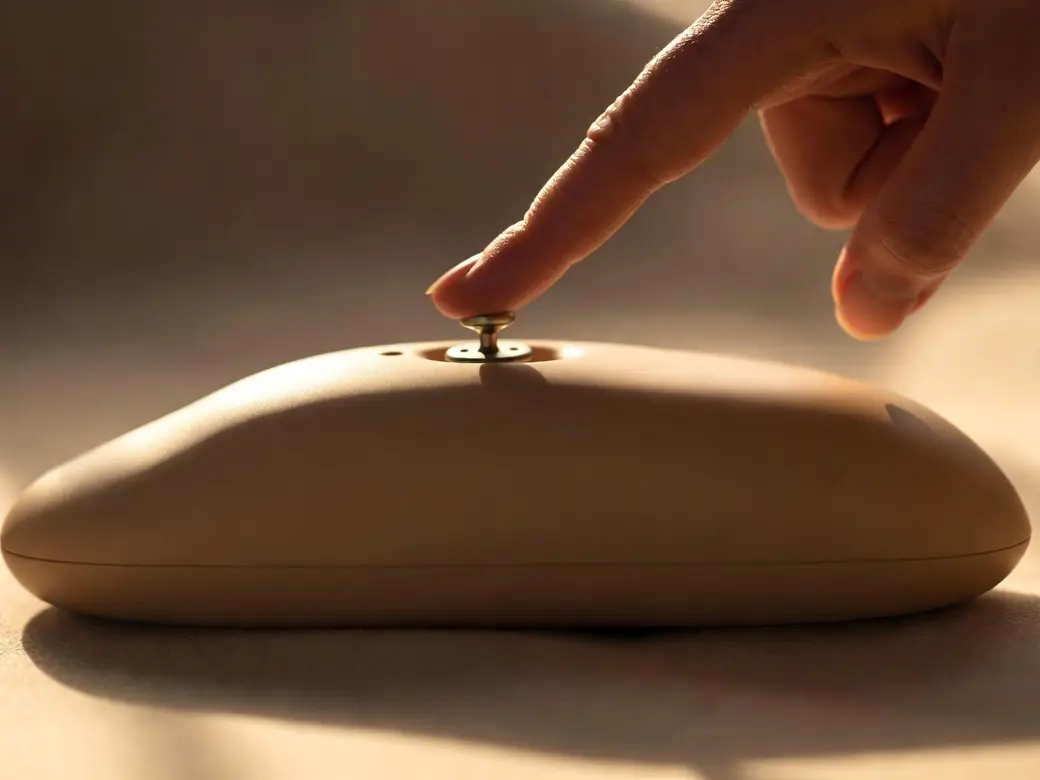
- A push-button inflation system
- A removable pump with a one-way valve
- A valve inflated with a manufacturer-supplied accessory
- A product containing a separate expanding internal chamber
The pump moves air into the inflatable section. A one-way valve or closure prevents that air from escaping. A release control allows the product to deflate.
Some models expand mainly in girth, while others may also change in firmness or shape. Product descriptions should state the intended expansion range, but they may not provide an exact pressure specification.
Read the instructions before the first inflation. Do not assume that a pump or valve from another product is compatible.
Our inflatable dildo guide explains how different expansion systems and size ranges compare.
Is Slight Softening Normal?
A newly inflated product may feel slightly different after several minutes without having a serious leak. Several factors can create a small change.
The Material Is Settling
A flexible inflatable chamber may stretch slightly when first pressurized. As the material expands, the same amount of air occupies a larger internal space, making the product feel softer.
This effect should stabilize. If the product continues shrinking, it may be losing air.
Air Remains in the Tube
With an external bulb pump, a small amount of air may move within the tube after pumping stops. This can create a brief change in feel without meaning that the main chamber has deflated.
Follow the instructions for closing, clamping or disconnecting the tube. Removing a pump incorrectly may allow more air to escape.
Temperature Has Changed
Air pressure can vary with temperature. A product inflated in a warm room may feel softer after moving to a cooler environment.
This should not be treated as a reason to heat the dildo. Keep it at a comfortable room temperature and away from heaters, hot water and direct sunlight.
Your Perception Has Adjusted
The difference between the original and inflated states may feel dramatic at first. After handling the product, a small size change can become harder to judge accurately.
Measure or photograph the product at consistent points rather than relying only on touch.
Signs That the Dildo May Be Leaking
A continuing loss of size or firmness is more suggestive of an air leak.
Possible signs include:
- The dildo noticeably shrinks within minutes
- The pump must be used repeatedly to maintain the same size
- Air can be heard escaping
- A faint hissing comes from the valve or hose
- The valve will not remain closed
- Bubbles appear during a manufacturer-approved leak test
- One section collapses faster than the rest
- A seam or connection looks stretched
- The product deflates when the tube is moved
- The pump bulb reinflates unusually slowly or remains compressed
The rate matters. A product that loses most of its air quickly likely has a more significant problem than one that feels slightly softer after an extended period.
Do not continue inflating a suspected leaking product to compensate. Repeated pressure can enlarge a small opening.
Start With the Pump
Before assuming that the dildo itself is punctured, check whether the pump is moving air correctly.
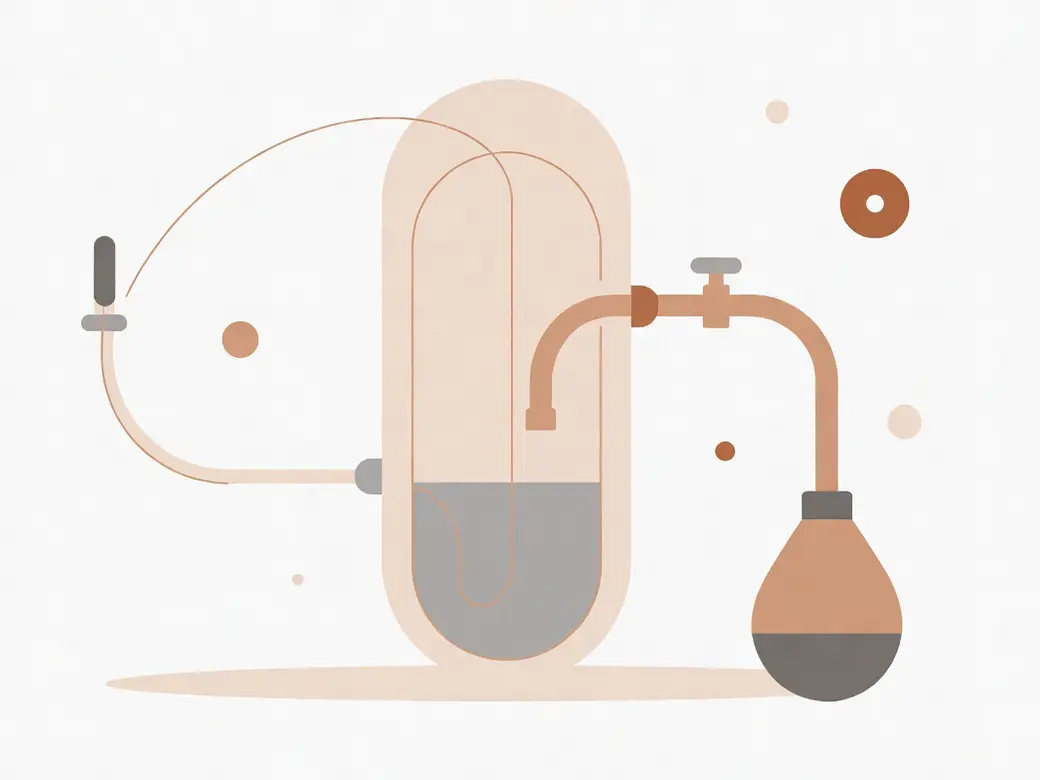
Inspect a Hand-Squeezed Bulb
A functioning bulb should generally return toward its original shape after being squeezed. If it remains collapsed, the air inlet may be blocked, the tube may be kinked or the bulb may be damaged.
Look for:
- Cracks in the bulb
- A loose tube connection
- A blocked air inlet
- A tube folded sharply
- Damage near the pump’s connector
- A valve attached in the wrong direction
Do not insert needles or sharp tools into a blocked opening. This may puncture a valve or enlarge the hole.
Check the Tubing
Run your fingers lightly along the tube and inspect it under good lighting. Pay special attention to the points where it joins the pump and dildo.
Possible problems include:
- Splits
- Flattened sections
- Loose connectors
- Sharp bends
- Stretching
- Discoloration around a connection
- Air escaping when the tube moves
A tube can appear intact while leaking at its attachment point. If the connection is removable, reconnect it according to the instructions. Do not secure it with household glue or tape unless the manufacturer provides that repair method.
Check a Built-In Pump
A built-in pump may feel less responsive if its intake is blocked or its internal mechanism is damaged. Listen for an unusual whistle, grinding sound or lack of resistance.
Do not open the pump housing. If it cannot be inspected externally and no troubleshooting procedure is provided, contact the manufacturer.
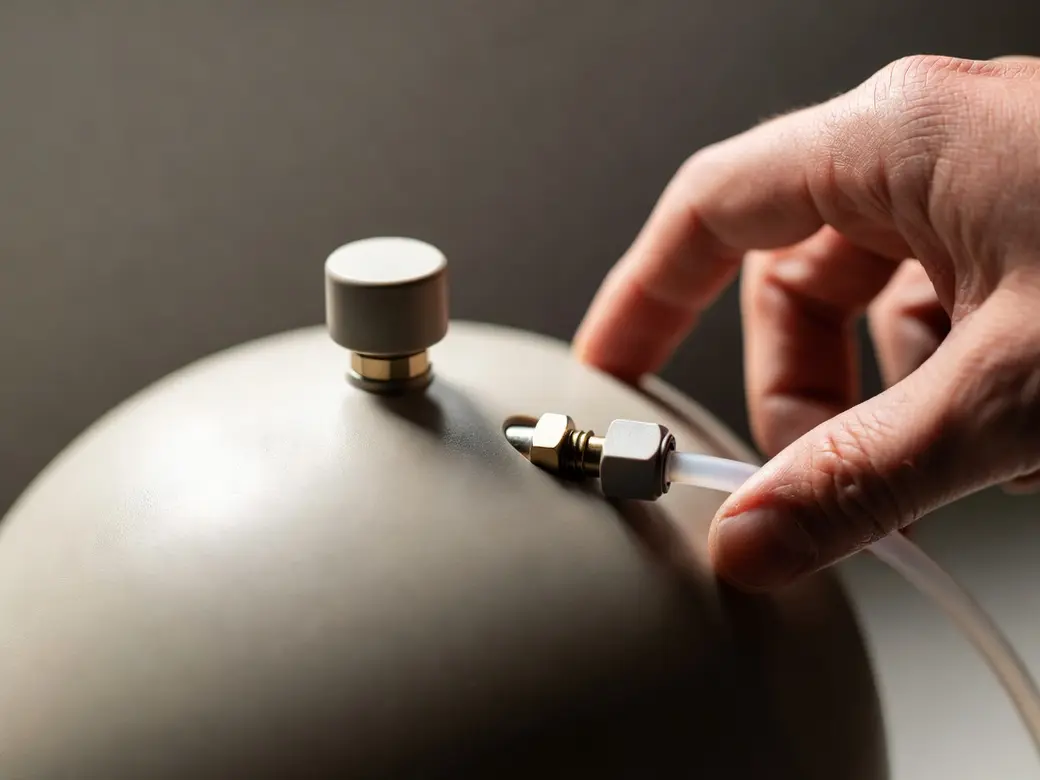
Inspect the Inflation Valve
The valve is a common location for air loss because it must allow inflation while sealing afterward.
Check whether:
- The plug or cap is fully seated
- The valve contains dust or dried residue
- The opening is stretched
- The surrounding material is cracked
- The valve has shifted from its original position
- The release button remains partially pressed
- The connection loosens when the shaft moves
Clean only according to the manufacturer’s instructions. Avoid forcing cotton swabs, pins or other objects deep into the valve.
If lubricant entered the valve, it may prevent a seal or collect debris. Do not apply more lubricant to the valve unless the product instructions specifically require it.
Why the Dildo May Stop Expanding?
A product that becomes firmer but does not reach the expected size is not always leaking.
Possible explanations include:
- It has reached its designed expansion limit
- The pump is not drawing in enough air
- The tube is kinked
- The valve is only partially open
- One internal chamber is expanding before another
- The listed measurements describe the maximum outer dimensions
- The product photographs show a different model or inflation level
- The material is stiffer at the current room temperature
Never continue pumping solely to match an image. Stop when the product reaches the manufacturer’s stated limit, becomes very firm or shows stress around a seam.
An inflatable dildo is not safer simply because it can physically accept more air. Overinflation can create damage before a visible rupture occurs.
How to Compare Inflation Loss Accurately?
Use a consistent observation method instead of repeatedly squeezing the shaft.
- Place the clean dildo at normal room temperature.
- Inflate it only to a moderate level within its instructions.
- Close the valve exactly as directed.
- Photograph it beside a ruler without compressing the material.
- Note the time.
- Leave it undisturbed on a safe surface.
- Compare it after 10 minutes, 30 minutes and one hour.
- Stop the test if a seam expands, the surface distorts or a leak becomes obvious.
Measure the same section each time. A soft product may look different depending on how it rests, so keep its position consistent.
Do not leave it inflated and unattended for long periods merely to test durability.
Check for External Damage
Inspect the inflatable section under bright, indirect light. Look for:
- Pinholes
- Cuts
- Abrasion
- Stretched seams
- Thin or translucent areas
- Bulges
- Peeling
- Damage around the valve
- Separation near the base
Do not stretch the surface aggressively to reveal a suspected hole. A weak area can become larger under tension.
If the product is new, photograph all visible damage before attempting a leak test or repair. Keep the packaging and order information.
How to Locate an Air Leak Safely
Before testing for a leak, read the product’s instructions. Some inflatable dildos contain motors, batteries or controls that should not be immersed or covered with liquid.
Begin with a clean, dry product at normal room temperature. Inflate it moderately rather than to its maximum size.
Listen in a Quiet Room
Close the valve and hold the product near—but not directly against—your ear. Listen around the valve, tubing connections, pump and visible seams.
A small leak may produce a faint hiss. Move the tube gently without twisting it to see whether the sound changes.
Do not squeeze the dildo forcefully to make the leak louder. Increased pressure could enlarge a weak area.
Feel for Moving Air
With clean, dry hands, move your fingers slowly around the valve and accessible connections. A leak near the pump or tube may be easier to feel than one in the main chamber.
Avoid pressing sharp fingernails against the material.
Can You Use Soapy Water?
A diluted soap-and-water solution is sometimes used to locate air leaks because escaping air can create bubbles. However, it is not appropriate for every inflatable dildo.
Only consider this method when:
- The manufacturer permits it
- The product is non-powered or the tested area is safely washable
- The cleaner is compatible with the material
- The valve and pump can be rinsed as instructed
- The product has no exposed electrical parts
Apply a small amount to an external suspected area rather than immersing the entire dildo. Watch for continuously forming bubbles, not foam created by application.
Rinse away all residue and dry the product thoroughly afterward. Soap left around a valve can interfere with sealing.
Do not use this method on charging ports, controls, motors or other areas that are not confirmed waterproof.
Do Not Submerge It Without Approval
Immersion may force water into the valve, tubing or internal space. Even a product described as waterproof may have separate pump components that are not submersible.
A wet internal chamber can be difficult or impossible to dry completely.
What if the Inflatable Dildo Will Not Deflate?
A product that remains inflated may have a stuck release valve, kinked tube or blocked vent. Do not puncture the chamber to release the air.
Check the Instructions First
Different products release air in different ways. You may need to:
- Press and hold a release button
- Open a cap
- Pinch a valve
- Remove a plug
- Disconnect a pump
- Turn a control to a particular position
Some valves release air slowly by design. Hold the control as directed rather than repeatedly pressing it quickly.
Straighten the Tube
A folded or pinched tube can prevent air from leaving. Lay it in a natural position and inspect the connections without pulling them apart.
Apply Only Gentle, Even Pressure
If the instructions permit squeezing during deflation, press the inflatable area slowly and evenly while the release valve is open.
Do not fold the product sharply or place your body weight on it. Excessive pressure can stress seams and force air toward a blocked valve.
Inspect for Dried Residue
Lubricant or cleaning residue may interfere with the release control. Clean the accessible valve area according to the manufacturer’s directions.
Do not insert needles, wire, toothpicks or other tools into the opening.
Contact the Manufacturer
If the valve remains stuck, leave the product in a safe place away from heat and sharp objects. Contact the manufacturer rather than cutting or puncturing it.
Why You Should Not Use a High-Pressure Pump
An air compressor, bicycle pump or powered inflator can deliver air much faster or at much higher pressure than the product’s original pump.
This may cause:
- Sudden overinflation
- Seam failure
- Valve damage
- Permanent stretching
- Uneven expansion
- Bulging
- Rupture
- Damage to internal mechanisms
An adapter that physically fits does not prove that the pump is compatible. Use only the inflation system supplied or specifically approved by the manufacturer.
Can a Leaking Inflatable Dildo Be Patched?
A home patch may stop air loss temporarily, but it may not restore the product’s original surface, flexibility or cleanability. Repair materials can also react with the dildo’s material.
Avoid using:
- Bicycle-tire patches
- Super glue
- Household silicone sealant
- Duct tape
- Hot glue
- Rubber cement
- Nail products
- Liquid plastic
- Heat-based repair kits
A hard patch can create an uneven edge. Adhesive can spread beyond the damaged area or fail when the product expands.
Use a repair kit only if it is supplied or specifically approved by the product manufacturer. Follow the instructions exactly and confirm whether the repaired area is intended to return to normal use.
For a new product, contact the seller before attempting any repair. Altering it may affect your warranty or damaged-item claim.
When Should You Stop Using the Product?
A slow leak may appear inconvenient rather than serious, but repeatedly pumping a damaged product can place more stress on the failure point.
Stop using and consider replacement when:
- The product rapidly loses air
- A seam is separating
- The valve is pulling away from the surrounding material
- A puncture or tear is visible
- A bulge forms during inflation
- The material has become thin or permanently stretched
- The pump or tube is cracked
- Air enters or escapes unpredictably
- The release valve cannot be operated safely
- The product contains trapped water
- A powered component has been exposed to moisture
- There is unusual heat, odor or electrical behavior
A damaged chamber should not be repeatedly inflated to see whether the problem becomes worse.
How to Document the Problem for the Seller
Inflation problems are often easier to demonstrate with a timed photo series or video than with one photograph.
Collect:
- Product name and model
- Order number
- Purchase and delivery dates
- Pump and valve type
- Approximate inflation level
- Time required for noticeable deflation
- Where the leak seems to occur
- Whether the product arrived this way
- Cleaning and storage methods
- Photographs of the valve, tube and damaged area
- A short time-lapse or before-and-after comparison
A clear message might say:
The dildo loses most of its inflation within approximately 15 minutes. The valve is fully closed according to the instructions, but a faint air leak can be heard near the tube connection. I stopped using the product and have not patched or opened it. Photos and a short video are attached.
Keep the original pump, connectors, packaging and product labels. The seller may need them to identify the model or approve a replacement.
Review the store’s warranty and defective-product policy before returning an opened product.
How to Prevent Inflation Problems
Not every defect is preventable, but careful use reduces unnecessary pressure on valves and chambers.
Inflate Gradually
Use slow, controlled pumps. Pause to check the size, shape and firmness.
Stop at the manufacturer’s limit or earlier if the product becomes very firm.
Keep Sharp Objects Away
Inspect the mounting and storage area for jewelry, rough edges, fingernails and other objects that may puncture the chamber.
Protect the Tube and Valve
Do not carry the product by its tube. Avoid pulling, twisting or folding connections sharply.
Remove Air Before Storage
Unless the manufacturer says otherwise, deflate the dildo before long-term storage. A continually pressurized chamber places ongoing stress on seams and valves.
Store It Without Compression
Keep the deflated product in a clean space where it will not be folded tightly or crushed by heavier items.
Use Compatible Products
Confirm lubricant and cleaner compatibility. Avoid letting residue collect in the inflation or release valve.
Inspect Before Inflation
Check the chamber, seams, valve and tubing before each use. Do not inflate a product that already shows a cut, stretched area or loose connection.
Frequently Asked Questions
Why Does My Inflatable Dildo Slowly Lose Air?
Possible causes include a partially closed valve, loose tube connection, small puncture, stretched seam or normal initial material settling. A continuing measurable loss suggests a leak.
How Much Should I Inflate It?
Stay within the manufacturer’s instructions and stop if the product becomes very firm, distorted or shows stress. Do not inflate solely to match a promotional photograph.
Can I Use a Bicycle Pump?
No, unless the manufacturer explicitly approves that pump and provides a suitable pressure limit and adapter. The supplied manual system is generally the safer choice.
Is a Small Air Leak Repairable?
Only use a repair method or kit approved for the exact product and material. For a new item, contact the seller before modifying it.
Why Does the Pump Bulb Stay Compressed?
The inlet may be blocked, the tube may be kinked or the bulb may be damaged. Inspect accessible parts without inserting sharp tools.
Can I Use Soapy Water to Find the Leak?
Only when the manufacturer permits it and the tested area can be safely washed and dried. Do not apply liquid around unprotected electrical parts.
Why Does the Dildo Feel Softer in a Cold Room?
Air pressure and material flexibility can change with temperature. Let the product reach ordinary room temperature naturally; do not apply direct heat.
Should I Store an Inflatable Dildo Fully Inflated?
Usually not, unless the manufacturer instructs otherwise. Deflation generally reduces continuous stress on the chamber and valve while requiring less storage space.
What if Water Gets Inside?
Stop using the product and contact the manufacturer. Do not operate or charge powered components when water may have entered an internal area.
Final Thoughts
An inflatable dildo may lose firmness because the material is settling, but continuing shrinkage often points to a valve, tube, pump or chamber problem. Begin with a moderate inflation level and inspect each connection without applying excessive pressure.
Use only the supplied or approved pump. Do not puncture a product that will not deflate, and avoid improvised patches unless the manufacturer provides a compatible repair system.
Visible seam damage, trapped moisture, rapid air loss or unreliable valves are strong reasons to discontinue use. Careful documentation can make it easier for the seller to assess a hidden leak and offer an appropriate solution.
Explore our inflatable dildo guides and reviews to compare pump systems, expansion ranges, materials and care requirements.