

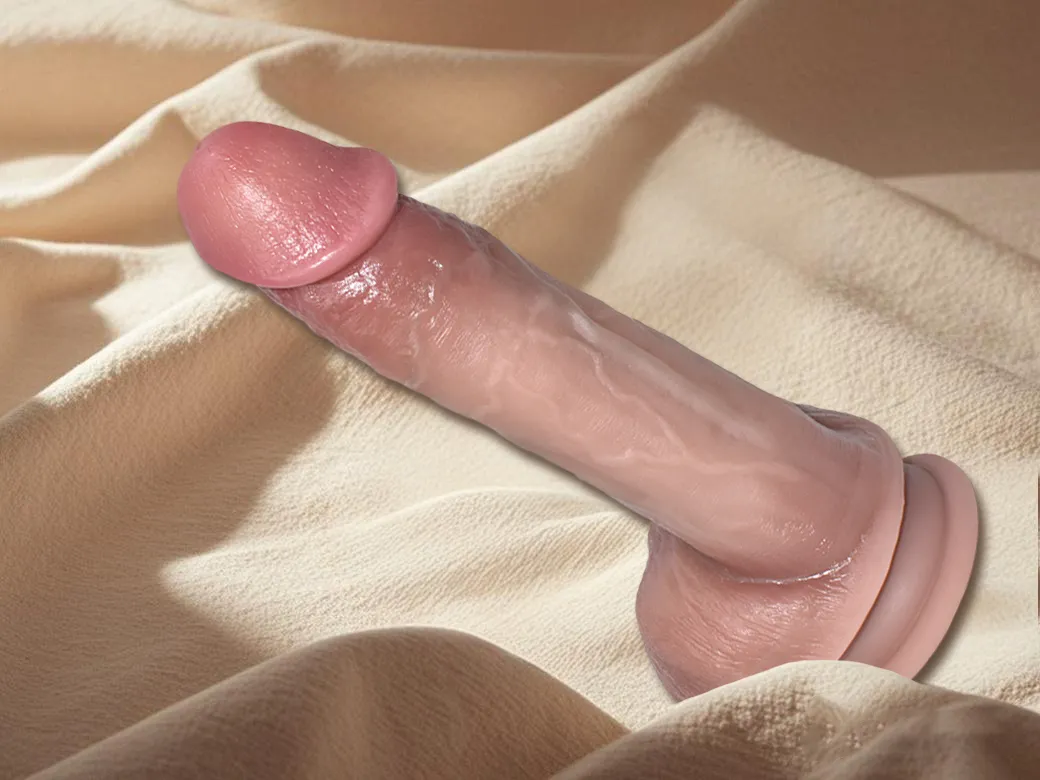
Building a dildo collection does not have to mean filling a drawer with as many different models as possible. A useful collection is defined by variety of experience—not simply by the number of dildos you own.
Two dildos may look different in photographs but feel nearly identical because they share the same usable length, girth, firmness and shape. Conversely, two similarly sized dildos may serve completely different purposes if one is soft and flexible while the other is firm, curved or designed for hands-free use.
The goal, therefore, is not to buy more. It is to identify what your current collection already covers, what it does not cover and whether a potential purchase would add something genuinely different.
How Many Dildos Do You Actually Need?
There is no ideal number that applies to everyone.
One person may be satisfied with a single versatile dildo. Someone else may prefer several options for different moods, positions or levels of intensity. The right number is simply the number you can realistically use, clean, store and maintain.
A small but varied collection can often provide more choice than a larger collection filled with near-duplicates. For example, three dildos with clearly different sizes, firmness levels and base designs may be more useful than eight models with almost identical measurements.
Instead of asking, “How many dildos should I own?” ask:
- What role does each dildo currently serve?
- Which models feel noticeably different from one another?
- Which dildo do I reach for most often?
- Which ones rarely get used, and why?
- What experience is genuinely missing?
- Would a new dildo fill that gap or repeat something I already own?
These questions turn collecting into a deliberate process rather than a cycle of impulse purchases.
Start With an Inventory of What You Already Own
Before shopping for another dildo, make a simple inventory of your current collection. You do not need a complicated spreadsheet, but you should record more than the product name and color.
A practical inventory might include:
| Detail | What to Record |
|---|---|
| Brand and model | The exact name, if known |
| Material | Silicone, glass, metal, TPE or another material |
| Insertable length | The usable length rather than total length |
| Circumference | Preferably measured around the widest usable area |
| Firmness | Soft, medium or firm |
| Shape | Straight, curved, tapered, bulbous or realistic |
| Surface | Smooth, veined, ridged or heavily textured |
| Base | Flat, suction cup, harness-compatible or no base |
| Main role | Everyday use, fuller sensation, travel, hands-free use, etc. |
| Usage | Frequent, occasional, rarely used or ready to replace |
If you are unsure how to compare dimensions, review the Dildo Size Guide before measuring. A dildo’s advertised total length may include its base, so it is not always an accurate indication of usable size.
This inventory also makes online comparison easier. The FTC recommends recording details such as the manufacturer, model, size, color and total cost when comparing online purchases. Applying the same habit to dildos can help prevent accidental repeat purchases. (FTC Online Shopping Guide)
Give Every Dildo an “Experience Fingerprint”
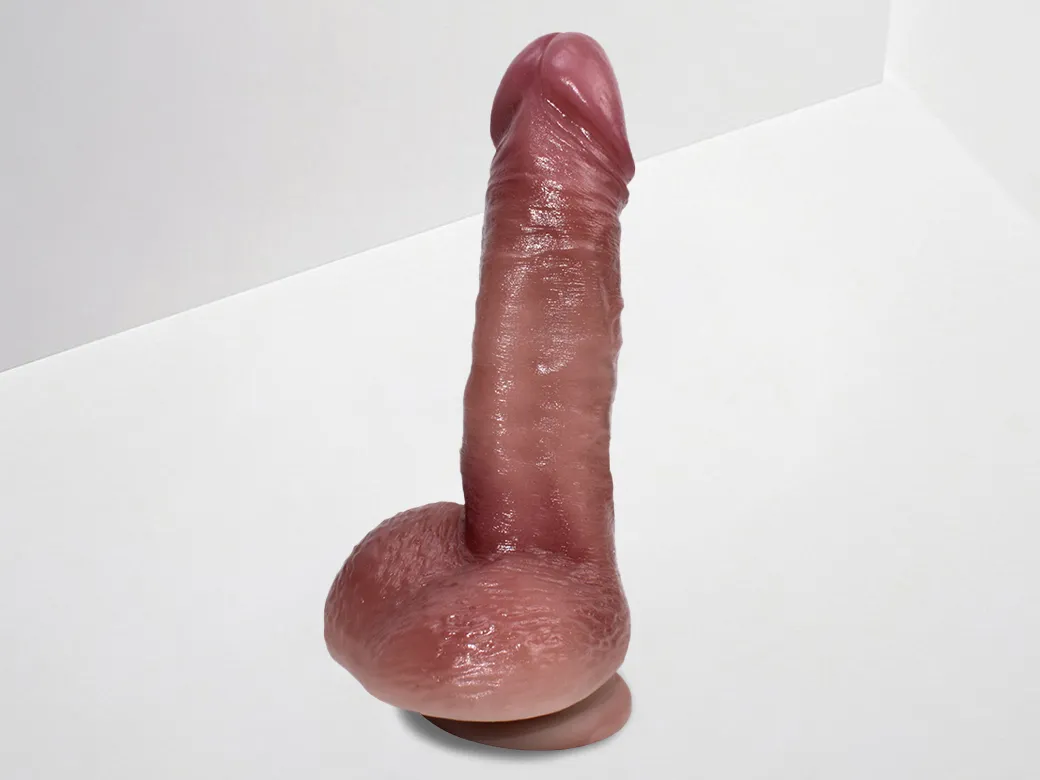
A useful way to identify duplicates is to assign each dildo an experience fingerprint. This fingerprint is based on seven characteristics:
- Usable size
- Firmness
- Shape and curve
- Head design
- Surface texture
- Base type
- Primary function
Color should usually not be included because a different color rarely changes how a dildo performs. Branding and packaging are also less important unless you are intentionally collecting a particular brand.
1. Usable Size
Compare both insertable length and circumference. Length alone can be misleading because two dildos with the same length may have dramatically different girths.
For collection planning, divide your existing dildos into practical size ranges instead of focusing on tiny measurement differences:
- Compact or beginner-friendly
- Medium and versatile
- Large or fuller
- Extra-large or specialized
A difference of only a fraction of an inch may not create a meaningfully different role. The overall shape, firmness and usable dimensions should be considered together.
2. Firmness
Firmness can change the experience as much as size.
A soft dildo may flex and compress, while a firmer dildo of the same measurements may feel more substantial and direct. Some dual-density dildos combine a firmer inner structure with a softer exterior.
If your collection already contains several medium-firm models, another medium-firm dildo may add less variety than a noticeably softer or firmer option. Our Soft vs Firm Dildos guide explains how firmness affects flexibility, pressure and control.
3. Shape and Curve
Straight, curved and tapered dildos should not automatically be treated as interchangeable.
A straight dildo may provide predictable positioning, while a pronounced curve can create a more focused angle. A tapered design may also offer a different progression in width, even if its maximum circumference resembles another model.
Look at the entire shaft profile rather than comparing only the widest point.
4. Head Design
The head is one of the most overlooked differences between dildos.
Some have a smooth, gradual tip. Others feature a pronounced ridge, rounded head or anatomically realistic shape. These variations may affect initial comfort and the amount of noticeable definition during use.
Before adding another realistic model, compare it with the options covered in our Dildo Head Shapes guide. If the heads and shaft profiles are almost identical, the two models may serve the same role.
5. Surface Texture
Texture should be evaluated by intensity, not merely by whether a dildo has visible details.
Light veins may contribute mainly to appearance, while pronounced ribs, bumps or ridges may create a much more noticeable surface. A smooth dildo and a strongly textured dildo can therefore justify separate places in a collection.
The Textured vs Smooth Dildos comparison can help you decide whether a texture is likely to create meaningful variety.
6. Base Type
A base can determine how and where a dildo can be used.
A flat base may provide stability, a suction-cup base may support hands-free positioning, and a flared or harness-compatible base may serve another practical role. Two otherwise similar dildos can still justify separate places if their bases support genuinely different setups.
See Dildo Base Types Compared for a closer look at the advantages and limitations of each design.
7. Primary Function
Finally, identify what the dildo is mainly intended to do.
Possible roles include:
- A versatile everyday dildo
- A compact travel option
- A softer, flexible option
- A firmer, more controlled option
- A textured option
- A hands-free or mountable dildo
- A larger size reserved for specific occasions
- A vibrating or thrusting model
This role matters because a collection should be organized around actual use—not around product categories that sound different but perform similarly.
Use the Five-of-Seven Duplicate Test
Once you have identified the seven characteristics, compare a potential purchase with your existing dildos.
If it matches one of your current models in at least five of these seven areas, it is probably a near-duplicate:
- Similar usable length and girth
- Same firmness range
- Similar shaft shape
- Similar head design
- Similar texture level
- Same base style
- Same primary function
That does not automatically make it a bad purchase. A near-duplicate may still make sense if you are replacing an older dildo, buying a backup of a favorite or intentionally collecting a particular design.
However, if the only obvious difference is color, packaging or a slightly altered product name, the new dildo may not expand your collection in a meaningful way.
Create a Collection Coverage Map
After cataloging your existing dildos, summarize the results in a simple coverage map:
| Collection Axis | Already Covered | Missing Contrast | Priority |
|---|---|---|---|
| Size | Medium and large | Compact option | Medium |
| Firmness | Mostly firm | Soft and flexible | High |
| Shape | Mostly straight | Pronounced curve | High |
| Texture | Smooth and lightly veined | Strong texture | Low |
| Base | Flat bases | Reliable suction cup | Medium |
| Material | Mostly silicone | No specific gap | Low |
| Function | Manual use | Hands-free option | Medium |
This table prevents “different-looking” from being confused with “different-performing.” It also gives every future purchase a clear reason to exist.
When material is part of your decision, compare the practical characteristics in the Dildo Materials Guide rather than buying a new material simply for novelty.
Decide Which Collection Gap to Fill First
A coverage map may reveal several missing options, but that does not mean you need to fill every gap. Prioritize the difference that would have the greatest effect on how you actually use your collection.
Consider three factors:
Frequency
Would you use this type of dildo regularly, or does it appeal mainly because it looks unusual?
A practical option that fits your normal preferences will usually offer more value than a highly specialized model that rarely leaves storage.
Difference
How different would the new dildo feel or function compared with what you already own?
Changing only the color or adding a small amount of surface detail creates limited variety. A substantial difference in firmness, girth, curvature or mounting capability is more likely to produce a distinct role.
Practicality
Can you clean, store and operate it conveniently?
A large suction-cup dildo may provide a new experience, but it also requires suitable storage and a compatible surface. An electronic dildo may add movement, but it introduces charging and maintenance requirements.
The highest-priority gap is normally one that is useful, noticeably different and practical for your situation.
Follow the One-Major-Difference Rule
When evaluating your next purchase, look for at least one major characteristic that is clearly different from your existing collection.
A major difference might include:
- A substantially different circumference
- A softer or firmer construction
- A pronounced curve instead of a straight shaft
- Strong texture instead of a smooth surface
- A reliable suction-cup or harness-compatible base
- A compact design suitable for travel
- A mechanical function such as vibration or thrusting
The new dildo does not need to be different in every possible way. In fact, retaining some familiar characteristics can make the transition easier. For example, you might select your usual size but experiment with a softer firmness or more pronounced curve.
This approach provides controlled variety: one meaningful change without making every characteristic unfamiliar.
Example Dildo Collection Structures
These examples are not shopping requirements. They illustrate how a collection can be organized around roles rather than quantity.
A Compact Two-Dildo Collection
A simple collection could contain:
- A familiar, versatile dildo suitable for regular use
- A contrasting option with a different size, firmness or shape
The contrast should be intentional. If the everyday option is medium-sized, straight and moderately firm, the second could be softer, more curved or designed for hands-free use.
Two carefully selected dildos may be enough when both have clear and separate purposes.
A Balanced Four-Dildo Collection
A broader collection might include:
- A dependable everyday option
- A softer or more flexible option
- A differently shaped or more strongly curved option
- A practical specialty design, such as a suction-cup or travel dildo
These roles can overlap. A compact suction-cup model, for example, may function as both a travel option and a hands-free option.
The objective is not to force every dildo into one category. It is to make sure each model contributes something identifiable.
A Specialized Collection
A larger collection may be appropriate for someone with established preferences who intentionally explores different materials, sizes, textures or functions.
At this stage, organization becomes increasingly important. Before adding another model, compare its experience fingerprint with every similar dildo you own.
Specialized collecting should come after learning what you actually enjoy. Buying six variations at once makes it harder to identify which individual characteristic affected the experience.
Build a Wishlist Instead of Buying Immediately
When a dildo appears to fill a collection gap, add it to a wishlist before purchasing it. Record:
- The exact model name
- Insertable length and circumference
- Material and firmness
- Shape and texture
- Base type
- Intended role
- Total price, including shipping
- Which existing dildo it would complement
Wait several days and then review the listing again. Product photography can make minor differences appear more significant than they are. Our guide to How to Read Dildo Product Photos Before Buying Online explains how camera angles, close-up images and missing scale references can affect perception.
During the waiting period, compare the specifications with your inventory. If you can no longer explain what distinct role the dildo would serve, it probably should not be a priority.
For higher-priced options, use How to Compare Dildo Prices Across Online Stores to compare the exact model, seller policies and total delivered cost—not just the advertised price.
Organize the Collection You Already Have
A well-designed collection should also be easy to maintain.
Keep purchase information, material details and manufacturer instructions where you can find them. If you remove the original packaging, save the relevant instructions digitally or record them in your inventory.
Electronic models should be matched with their correct charging cables. Avoid relying on visual similarity between connectors. Labeling each cable can prevent confusion, especially as the collection grows. The Dildo Charger Types guide covers common charging arrangements and replacement considerations.
Storage should protect each dildo from dust, pressure and unnecessary contact with other items. Follow the manufacturer’s instructions because storage requirements can vary by material. Individual storage bags or containers can also make the collection easier to identify and rotate.
Periodically review which models are being used and whether any show changes in surface condition, odor, performance or structural integrity. Our guide, When Should You Replace a Dildo?, provides a more detailed inspection checklist.
When Buying a Duplicate Can Make Sense
Not every duplicate is wasteful. A similar or identical dildo may be reasonable when:
- You are replacing a worn or damaged favorite
- A frequently used model has been discontinued
- You want a backup of a difficult-to-find design
- The replacement offers improved material or construction
- You intentionally collect variations from a particular range
- Two people need separately maintained items
The important distinction is intention. Buying a duplicate because it has a clear purpose is different from accidentally ordering a model that merely looked different in photographs.
If you are considering replacing a favorite, inspect the new listing carefully. Products with similar names or images may have different measurements, materials or firmness levels.
Review the Collection Before Expanding It
Every few months, review your inventory and divide the collection into four groups:
- Frequently used
- Occasionally used
- Specialized but useful
- Rarely used without a clear reason
Rarely used dildos can reveal purchasing patterns. You may discover that certain sizes, firmness levels or textures consistently appeal to you while shopping but do not suit your real preferences.
Use that information to refine future decisions. A good collection evolves from experience, not from trying to cover every category available.
Final Thoughts
A thoughtfully built dildo collection is not measured by how many models it contains. It is measured by how clearly those models differ and how well they match the owner’s preferences.
Begin by cataloging what you already have. Compare each dildo across size, firmness, shape, head design, texture, base and function. Then identify genuine gaps and prioritize one meaningful difference at a time.
This method can reduce near-duplicate purchases, improve comparison shopping and create a collection in which every dildo has a recognizable purpose.
Frequently Asked Questions
How many dildos should be in a collection?
There is no required number. A collection can contain one versatile dildo or several specialized options. The appropriate number depends on your preferences, available storage and ability to maintain each item properly.
Are two dildos with the same size duplicates?
Not necessarily. Dildos with similar measurements may feel or function differently because of firmness, curvature, head shape, texture or base design. Compare the complete experience fingerprint rather than size alone.
Is a different color enough reason to buy the same dildo again?
Color normally does not change performance. However, buying another color may still make sense for intentional collecting, easier identification or replacing a favorite. It should be treated as an aesthetic choice rather than an expansion of functional variety.
Should every dildo in a collection use a different material?
No. Material variety is optional. If one material works well for your preferences and maintenance routine, there is no need to add another simply to complete a category.
What should I buy after my first dildo?
Start by identifying what you would change about the first one. You might want a different girth, firmness, curve, texture or base. Choose the next dildo around one meaningful contrast rather than selecting another model with nearly identical specifications.
CTA
Ready to find an option that adds something genuinely different? Explore our dildo guides and curated categories to compare sizes, shapes, firmness levels, materials and base designs before choosing your next dildo.