

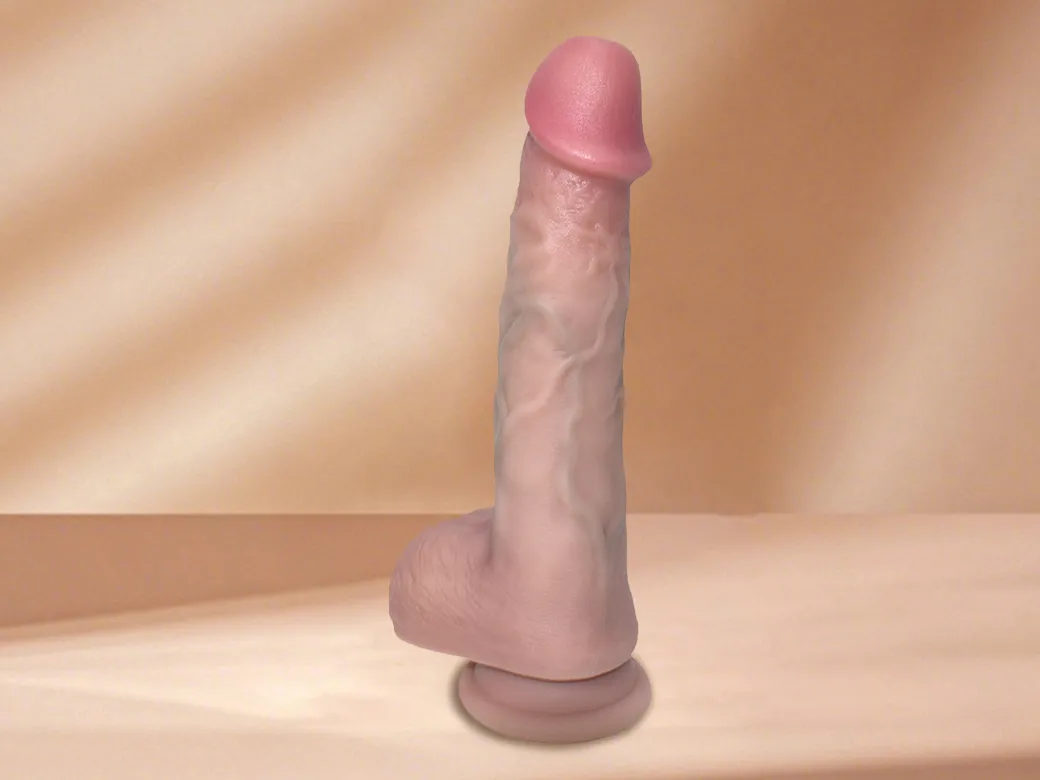
A noticeable smell from a new dildo can come from several places: the material itself, sealed packaging, manufacturing residue, a scented product added to the box or even another item stored nearby.
Smell alone cannot confirm whether a dildo is high quality or suitable for use. A product with little odor is not automatically safe, while a temporary packaging smell does not necessarily mean the material is defective.
The useful question is not simply, “Does it smell?” Instead, ask:
- Where does the smell appear to come from?
- Does it remain after correct cleaning and drying?
- Is the surface also sticky, oily, peeling or discolored?
- Is the dildo powered, warm or behaving abnormally?
- Does the material match the product description?
- Is the odor becoming weaker, stronger or unchanged?
This guide uses an odor-triage approach to distinguish temporary packaging smells from persistent material or electrical warning signs.
Quick Answer: Should a New Dildo Have a Smell?
A new dildo may have a mild odor after being enclosed in packaging, especially when the box contains foam, printed cardboard, plastic trays, storage pouches or lubricant samples.
The odor should still be investigated before use. Unpack the product, identify the material, inspect the surface and follow the manufacturer’s first-cleaning instructions.
Contact the seller or manufacturer when the smell is:
- Strong enough to remain on your hands
- Persistent after approved cleaning and complete drying
- Accompanied by an oily or sticky surface
- Similar to burning plastic or overheated electronics
- Coming from the charging port or battery area
- Accompanied by swelling, leakage or deformation
- Becoming stronger during charging
- Different from the odor described in the product instructions
Do not use perfume, essential oils or a strongly scented cleaner to hide the smell. Masking an odor makes it more difficult to determine whether the original problem remains.
Use the Five-Source Odor Test
Most new-dildo smells can be investigated through five possible sources.
| Possible Source | Typical Clues | First Response |
|---|---|---|
| Packaging | Box, foam or pouch smells stronger than the dildo | Separate the components and inspect individually |
| Surface residue | Odor transfers to hands or cleaning cloth | Follow the approved first-cleaning method |
| Material formulation | Smell is strongest across the entire dildo | Confirm material and contact the manufacturer if persistent |
| Storage contamination | Odor resembles lubricant, cosmetics or another product | Isolate the dildo and clean its storage area |
| Electrical component | Burning, hot-plastic or battery-related odor | Turn off, unplug and stop charging |
The same product may have more than one source. For example, a soft TPE dildo may have its own material odor while also absorbing the smell of a printed storage pouch.
Begin by Smelling the Packaging Separately
Do not hold the dildo directly under your nose or repeatedly inhale a strong odor. Instead, place the dildo, storage pouch, plastic tray and cardboard box in separate areas and determine which component carries the most noticeable smell.
Packaging can contribute odor through:
- Printed ink
- Adhesive
- Foam inserts
- Plastic trays
- Dyed fabric
- Scented paper
- Lubricant samples
- Cleaning products used near the package
- Prolonged sealed storage
If the empty box smells much stronger than the dildo, packaging may be the primary source. However, this does not remove the need to clean and inspect the product.
Save the packaging until you have confirmed the correct model, material and condition. It may contain batch numbers, warranty information or care instructions needed for a return request.
Inspect the Surface Before Washing Away Evidence
Before the first cleaning, examine the dildo under bright light.
Look for:
- Oily patches
- Visible residue
- Dust trapped in the surface
- Uneven color
- Peeling
- Small cracks
- A sticky or unusually soft area
- A coating separating from the body
- Moisture around a charging port
- Deformation near a battery compartment
- Material transferred from the packaging
Photograph anything unusual before cleaning. If the product arrives with a serious surface or electrical problem, photographs of its original condition may support a warranty or order claim.
The New Dildo Checklist provides a full inspection process for verifying measurements, accessories, controls and surface quality after delivery.
Odor Does Not Identify the Material
It is tempting to use smell as a quick material test, but odor cannot reliably distinguish silicone from TPE, TPR, PVC or another blend.
A product’s smell may come from:
- The base material
- Softening ingredients
- Pigment
- Surface coating
- Adhesive
- Packaging
- Cleaner or lubricant
- A second material inside the product
TPE is especially broad. Materials manufacturer Avient explains that thermoplastic elastomers include multiple types and proprietary formulations created for different hardness, friction and performance requirements. Two products labeled TPE may therefore have noticeably different physical properties and odors. (Avient TPE Guide)
Use the packaging, manufacturer specifications and model information to identify the material. The Dildo Materials Guide explains what common labels mean and which details should appear on a reliable product listing.
How Different Dildo Materials May Affect Odor
Silicone Dildos
A cured silicone dildo is different from a thermoplastic soft dildo, but the word “silicone” on a product page does not explain every component.
The product may also include:
- A rigid internal core
- Pigments
- Adhesive around controls
- A plastic battery housing
- A surface coating
- A different material in the base
- Printed or scented packaging
A noticeable odor does not prove that a dildo is fake silicone, just as the absence of odor does not prove that it is high-quality silicone.
If a product advertised as silicone has a strong persistent smell, oily surface or recurring stickiness, contact the seller for the complete material specification rather than attempting a home identification test.
Do not burn, cut or heat the dildo to test whether it is silicone.
TPE and TPR Dildos
TPE and TPR products may have more noticeable material odors because their formulations vary widely. Some contain proprietary ingredients used to create softness, flexibility, surface friction or a skin-like feel.
There is no single odor level that can be declared normal for every TPE dildo. Pay attention to change over time.
A mild odor that decreases after approved cleaning and ventilation is a different situation from one that:
- Remains equally strong
- Becomes stronger
- Transfers heavily to hands or fabric
- Appears with oil on the surface
- Returns after cleaning
- Accompanies swelling or deformation
Because TPE and TPR labels describe broad material families, seller transparency matters. Compare the listing with the guidance in Silicone vs TPE Dildos before assuming two soft dildos require identical care.
PVC, Jelly and Rubber-Like Dildos
Terms such as jelly, rubber, real-feel and skin-like may be used for several formulations. The label may emphasize texture without identifying the complete material.
If a strong odor is accompanied by an oily, sweating or sticky surface, do not treat fragrance removal as the only issue. The surface condition also needs evaluation.
Ask the seller:
- What is the exact material?
- Does the product contain a coating?
- Is the odor expected for this model?
- What is the approved first-cleaning method?
- Does the manufacturer recommend airing it before use?
- Is the product eligible for replacement if the odor persists?
A vague answer such as “premium material” does not identify the formulation.
Glass, Metal and Ceramic Dildos
Glass, stainless steel and glazed ceramic do not usually produce the same type of broad material odor associated with soft polymer blends.
A smell from a rigid dildo may come from:
- Packaging foam
- Storage fabric
- Protective oil
- Surface cleaner
- Adhesive on a decorative component
- A coating or painted finish
- Residue around a joined section
Inspect rigid surfaces for chips, corrosion, damaged coatings or rough areas. A product described as stainless steel should not automatically be assumed to be uncoated solid metal if the seller provides incomplete information.
The How to Tell if a Dildo Is Good Quality guide explains how to evaluate material claims, surface finish and seller transparency together.
Take Electrical Odors Seriously
A powered dildo that develops a burning, overheated-plastic or battery-like odor should be treated differently from a manual dildo with packaging smell.
Immediately:
- Turn the dildo off.
- Disconnect the charging cable if this can be done safely.
- Stop charging or operating it.
- Move it away from heat and flammable materials.
- Do not open, puncture or squeeze the battery compartment.
- Contact the manufacturer or seller.
We-Vibe’s product manuals instruct users not to use or charge batteries that are leaking, deformed, discolored, rusty, emitting an odor or otherwise abnormal. (We-Vibe product manual)
A burning odor is not something to remove through washing or ventilation. It may indicate an electrical or battery problem requiring warranty support, replacement or appropriate disposal.
Do Not Assume “New Product Smell” Is Always Harmless
“New product smell” is a description, not a safety diagnosis.
A seller should not use the phrase to dismiss:
- Persistent strong odor
- Surface oil
- Peeling
- Cracks
- Battery swelling
- Overheating
- Material transfer
- Incorrect material labeling
- Physical discomfort after contact
Similarly, odor alone cannot tell you which chemical or material is present. Avoid claims that a product is safe simply because the smell weakens.
The correct process is to combine odor with the product’s material information, surface condition, operating behavior and manufacturer instructions.
How to Clean a New Dildo With an Odor
Do not begin with the strongest cleaner available. Start with the cleaning method provided by the manufacturer.
The correct method depends on:
- Material
- Surface coating
- Electronic components
- Waterproof rating
- Charging-port design
- Removable accessories
- Whether the product has joined or hollow sections
Use this sequence:
1. Preserve the Original Condition
Photograph visible residue, discoloration, leaking material or packaging damage before cleaning. Keep the order confirmation and product label.
If the dildo appears seriously defective, contact the seller before removing hygiene seals or performing cleaning that could affect the return policy.
2. Read the Product Instructions
Look for:
- First-use cleaning directions
- Approved soap or cleaner
- Water-resistance rating
- Areas that should not be submerged
- Prohibited chemicals
- Drying instructions
- Material-specific care
- Warranty contact information
Do not assume that advice for one silicone or TPE dildo applies to every product carrying the same broad label.
3. Clean the Dildo Once
Use the approved method and clean the entire surface, including:
- Textured areas
- The underside of the base
- Folds or raised details
- Control areas
- The area around removable attachments
Do not immerse a powered dildo unless the manufacturer clearly confirms that the complete model is submersible.
4. Rinse When Appropriate
Soap or cleaner residue can create its own smell. When the instructions permit rinsing, remove the cleaning product completely.
Pay particular attention to pronounced veins, ridges, seams and suction-cup edges where residue may remain.
5. Let It Dry Completely
Place the dildo on a clean surface at normal room temperature. Keep it away from direct sunlight, radiators, hair dryers and other heat sources.
Do not return it to a sealed bag while it is still damp. Moisture trapped with packaging odor or cleaner residue can make evaluation more difficult.
How to Air Out a New Dildo
Airing out means allowing volatile packaging or surface odors to disperse under ordinary room conditions. It does not mean exposing the dildo to outdoor sunlight or extreme temperatures.
A practical process is:
- Remove the dildo from its original plastic tray or scented pouch.
- Place it in a clean, dry and ventilated indoor area.
- Keep it away from children, pets, dust and direct sunlight.
- Store the packaging separately.
- Recheck the dildo after it has dried.
- Compare the smell of the dildo with the smell of the packaging.
If the odor clearly comes from the box and the cleaned dildo no longer carries it, packaging was probably the main source.
If the dildo continues to emit a strong smell after approved cleaning and ventilation, contact the seller rather than repeating increasingly aggressive cleaning methods.
How Long Should You Wait for the Smell to Disappear?
There is no universal waiting period because materials, packaging and manufacturer instructions differ.
Instead of choosing an arbitrary number of hours or days, use three checkpoints:
After Unpacking
Determine whether the smell is strongest in the dildo, pouch, foam or box.
After the First Approved Cleaning
Check whether residue was removed and whether the surface remains uniform.
After Complete Drying and Ventilation
Evaluate whether the smell is:
- Gone
- Noticeably weaker
- Unchanged
- Stronger
- Accompanied by a new surface change
A gradually weakening packaging odor may be less concerning than a persistent odor combined with oil, stickiness or deformation. However, do not continue waiting indefinitely for a product you are not comfortable using. Ask the manufacturer whether the odor is expected for that specific model.
Cleaning Methods That May Damage a Dildo
Avoid improvising with strong chemicals or high temperatures.
Do not automatically use:
- Bleach
- Acetone
- Nail-polish remover
- Rubbing alcohol
- Essential oils
- Perfume
- Scented household spray
- Abrasive powder
- Dishwasher detergent
- Boiling water
- Steam
- Microwave heat
- Hair-dryer heat
- Direct sunlight
Some materials may tolerate certain disinfection methods, but that does not make those methods appropriate for every dildo. Electronics, adhesives, coatings, pigments and mixed-material construction can change what is suitable.
Boiling should only be considered when the manufacturer specifically confirms that the complete non-electronic product and all its materials can tolerate it.
Do not mix household cleaning chemicals. Removing an odor is not worth creating an unknown chemical residue.
The How to Clean a Dildo Properly guide provides material-specific cleaning principles, but the product manual should still take priority.
Do Not Cover the Smell With Fragrance
Perfume, essential oil and scented cleaner may make the original odor temporarily less noticeable without removing its cause.
Fragrance can also:
- Remain on the surface
- Transfer to storage fabric
- Interact with material or coating
- Make future inspection more difficult
- Create a second odor that hides degradation
A clean dildo should be evaluated in its unscented condition.
When to Contact the Seller
Contact the seller or manufacturer when:
- The odor remains strong after approved cleaning and drying.
- The material does not match the listing.
- The surface feels oily, sticky or unusually soft.
- Color or material transfers to the packaging.
- The dildo has cracks, peeling or exposed layers.
- The product becomes warm or smells during charging.
- The smell returns after each cleaning.
- Care instructions are missing or contradictory.
- The seller advertised the dildo as odorless.
- You suspect the product was previously opened or used.
Provide:
- Order number
- Product name and model
- Date received
- Material listed on the product page
- Photographs of packaging and surface condition
- Description of the odor
- Cleaning method already used
- Whether the smell changed after drying
- Any electrical or surface symptoms
Describe the smell factually. Terms such as rubber-like, sweet, burnt, oily, perfumed or packaging-like are more useful than simply saying it smells bad.
Return, Replace or Continue Monitoring?
| Situation | Recommended Response |
|---|---|
| Packaging smells, but cleaned dildo does not | Store away from the packaging and continue normal inspection |
| Mild odor decreases after approved cleaning and drying | Follow manufacturer guidance and monitor |
| Odor remains strong but surface looks normal | Contact the manufacturer before use |
| Odor returns after every cleaning | Stop using and ask about replacement |
| Odor appears with oil or stickiness | Treat as possible material change |
| Smell comes from charging port | Turn off, unplug and contact support |
| Burning odor appears during use or charging | Stop operation immediately |
| Battery area is swollen, hot or leaking | Do not charge or open the product |
| Material differs from the product listing | Document the discrepancy and contact the seller |
| Product causes discomfort after contact | Stop using it and seek appropriate medical advice if symptoms persist |
Before returning an intimate product, read the seller’s policy. Some stores restrict returns after a hygiene seal has been opened, while defective-product procedures may be different. The FTC recommends keeping order records and checking return and refund terms when shopping online. (FTC Online Shopping Guide)
Storing the Dildo After the Odor Disappears
Once the dildo has been correctly cleaned, fully dried and evaluated:
- Store it in an individual pouch or compartment.
- Keep it away from the original packaging if the box carries a strong smell.
- Avoid direct contact with unknown soft materials.
- Do not store it beside leaking lubricant or scented cosmetics.
- Keep it away from heat and direct sunlight.
- Label its material and model.
- Retain the care instructions.
- Inspect it again before future use.
If a storage pouch has absorbed the smell, wash or replace the pouch according to its care instructions. Do not place a clean dildo back into a contaminated bag.
The Can Dildos Melt or Stick Together in Storage? guide explains how direct contact, residue, pressure and heat can affect stored products.
Common Mistakes When Dealing With Dildo Odor
Assuming Every Smell Means the Same Thing
Packaging ink, soft material and an overheated battery require completely different responses.
Washing Repeatedly With Stronger Chemicals
Repeated harsh cleaning may damage the surface without resolving a material-related odor.
Trusting the Material Label Without Checking Details
“Silicone blend,” “skin-like,” “rubber” and “premium material” may not identify every component.
Throwing Away the Packaging Immediately
The box may contain the batch number, material information and warranty details needed for a claim.
Charging a Powered Dildo to See Whether the Smell Goes Away
An odor from the charging area is a reason to stop charging, not continue testing.
Believing Odor-Free Means Risk-Free
Surface quality, structural integrity, seller transparency and correct labeling still need evaluation.
Final Thoughts
A new dildo smell can come from packaging, surface residue, the material formulation, storage contamination or an electronic problem.
Begin by separating the dildo from its packaging and inspecting both. Record any surface or electrical concerns, follow the manufacturer’s first-cleaning instructions and allow the product to dry completely at room temperature.
A smell that disappears with packaging removal and correct cleaning is different from one accompanied by stickiness, peeling, oil, deformation, overheating or battery changes.
Do not hide a persistent odor with perfume or attempt to remove it through aggressive chemicals and heat. When the source cannot be identified, contact the seller or manufacturer before use.
Frequently Asked Questions
Is it normal for a new dildo to smell?
Some products may carry packaging or material odor after being sealed. There is no universal odor standard for every material. Inspect, clean and dry the dildo according to its instructions before evaluating it again.
Should a silicone dildo smell?
Odor alone cannot confirm whether a product is silicone. Packaging, pigment, adhesives, internal components and mixed materials may contribute. A strong persistent smell should be discussed with the manufacturer.
How do I remove a chemical smell from a dildo?
Use only the manufacturer-approved cleaning method, dry the dildo completely and let it ventilate indoors. Do not use perfume, essential oils, solvents or unapproved heat.
Why does my dildo smell after washing?
Cleaner residue, incomplete drying, storage contamination or material change may be responsible. Rinse when permitted, allow complete drying and inspect the storage bag separately.
Can I use a dildo if the smell does not go away?
Contact the seller or manufacturer before use, particularly when the odor is strong or accompanied by surface changes. Persistent odor should not simply be masked.
Why does my powered dildo smell burnt?
A burnt odor may indicate overheating or an electrical or battery problem. Turn the product off, disconnect it from charging and stop using it.
CTA
Not sure whether a new dildo meets the expected material and quality standards? Explore BestDildo’s material, cleaning, inspection and warranty guides before deciding whether to keep, return or replace it.