


Choosing a dildo isn’t only about size, shape, or appearance. The material used to make the toy plays an equally important role in comfort, durability, hygiene, and long-term safety. With so many products available—from soft TPE dildos to premium silicone designs—it’s natural to wonder which materials are actually safe for intimate use.
In this guide, we’ll explain the differences between common dildo materials, discuss whether TPE and PVC dildos are suitable for regular use, and share practical tips for choosing a body-safe option that matches your preferences.
Understanding Dildo Materials
Modern dildos are available in a wide variety of materials, each offering a different combination of flexibility, texture, and maintenance requirements.
Some materials are designed to feel soft and realistic, while others focus on durability, firmness, or temperature play. Understanding these differences makes it much easier to choose a dildo that suits both your comfort level and your experience.
TPE Dildos: Soft and Realistic, but Require Extra Care
TPE (Thermoplastic Elastomer) is commonly used to create dildos with a soft, flexible texture that closely resembles natural skin. Many people enjoy the realistic feel and affordability of TPE dildos, especially when trying a realistic dildo for the first time.
However, TPE is generally considered a porous material. This means tiny microscopic openings can retain moisture and bacteria if the toy isn’t cleaned and stored properly. Because of this, many users choose to use a condom with TPE dildos, particularly if the toy is shared or used frequently.
Regular cleaning and proper storage become especially important when using products made from porous materials.
Are PVC Dildos Safe?
PVC (Polyvinyl Chloride) is another material found in some lower-cost sex toys. Depending on how it’s manufactured, PVC can vary significantly in quality.
Higher-quality PVC dildos may perform reasonably well, but lower-grade versions sometimes rely on chemical plasticizers to achieve a softer texture. For this reason, many experienced users prefer body-safe alternatives such as medical-grade silicone whenever possible.
If you choose a PVC dildo, purchasing from a reputable manufacturer that clearly states the materials used is always the safest approach.
Why Silicone Is Often the Preferred Choice
Medical-grade silicone has become one of the most trusted materials in the sex toy industry.
Unlike porous materials, silicone is non-porous, durable, and simple to clean. Its smooth, soft surface provides a comfortable feel while helping reduce the risk of bacteria remaining inside the material after proper cleaning.
Premium silicone dildos are also available in different firmness levels, including dual-density designs that combine a soft outer layer with a firmer internal core. This construction creates a more realistic balance of flexibility and support that many users find particularly satisfying.
Although silicone dildos often cost more than TPE or PVC models, their durability and ease of maintenance make them a worthwhile long-term investment.

Glass and Stainless Steel Dildos
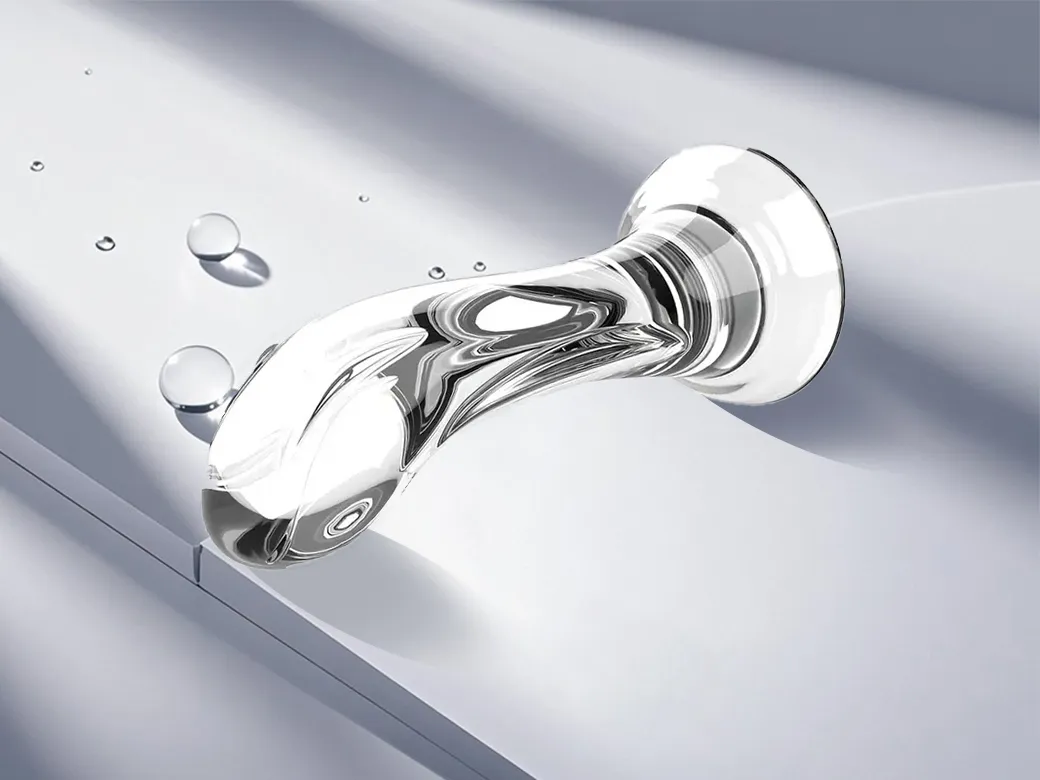
Glass and stainless steel offer a completely different experience from softer materials.
These dildos are firm, non-porous, and exceptionally durable. Their smooth surfaces make cleaning straightforward, and both materials are popular choices for temperature play because they can safely be warmed or cooled before use according to the manufacturer’s instructions.
Since neither material bends during use, they may feel more intense than silicone dildos. Beginners often prefer to start with softer options before experimenting with rigid materials.
Dildo vs. Natural Anatomy
Many realistic dildos are designed to imitate the appearance of a penis, but they don’t recreate every aspect of partnered intimacy.
Unlike a penis, a dildo maintains the same shape throughout use and doesn’t naturally adjust temperature or respond to physical stimulation. On the other hand, a dildo offers advantages that aren’t always possible during partnered play, including complete control over angle, speed, depth, and positioning.
Some users appreciate this flexibility because it allows them to explore different techniques at their own pace.
What Does a Dildo Feel Like?
The overall sensation depends largely on the toy’s material, shape, and design.
Soft silicone and TPE dildos generally provide a cushioned, flexible feeling, while glass and stainless steel deliver firmer, more direct pressure. Curved models can target specific internal areas more easily, whereas straight designs often provide a more traditional sensation.
Every user experiences these materials differently, so comfort and personal preference should always guide your decision.
Choosing the Right Lubricant
Lubrication plays an important role in both comfort and toy care.
For most dildos, a high-quality water-based lubricant is the safest and most versatile option because it’s compatible with virtually all body-safe materials.
Silicone-based lubricants should generally not be used with silicone dildos unless the manufacturer specifically states they’re compatible, as they may affect the toy’s surface over time.
For anal play, lubricant isn’t simply recommended—it’s essential. Using a generous amount can improve comfort while reducing unnecessary friction during insertion.
Different Ways to Enjoy a Dildo
One of the reasons dildos remain so popular is their versatility.
Many people enjoy using them during solo sessions to better understand their own preferences, while others incorporate them into partnered intimacy. Suction cup models allow for hands-free play on smooth surfaces, making it possible to experiment with different positions and angles.
Harness-compatible designs can also add flexibility for couples who enjoy strap-on play.
No matter which style you choose, taking your time and experimenting gradually often leads to a more comfortable and enjoyable experience.
Why Many People Choose Dildos
For many users, a dildo is more than just a sex toy—it’s a way to explore personal preferences and discover what feels pleasurable in a comfortable, self-directed environment.
With so many materials, sizes, and designs available, it’s possible to find an option that suits almost every experience level, from complete beginners to experienced users looking for something new.

Final Thoughts
When shopping for a dildo, the material deserves just as much attention as the size or shape.
While TPE and PVC dildos may appeal because of their softness or affordability, they generally require more careful maintenance than non-porous alternatives. Medical-grade silicone continues to be one of the most widely recommended materials thanks to its combination of comfort, durability, and easy cleaning.
Ultimately, the best dildo is one that’s made from high-quality materials, fits your comfort level, and matches the type of experience you’re looking for. Taking the time to compare different options before buying can help you choose a dildo that’s both enjoyable and built to last.