

Quick Answer
The safest way to clean a dildo is to wash it immediately after every use using warm water and mild, fragrance-free soap or a dedicated sex toy cleaner. The exact cleaning method depends on the material. Silicone, glass, and stainless steel are generally the easiest to sanitize, while porous materials such as TPE and PVC require extra care because they can retain moisture and bacteria over time.
Allow the dildo to dry completely before storing it in a clean, dry place away from direct sunlight.
Why Cleaning Your Dildo Matters
Cleaning your dildo isn’t simply about keeping it looking new—it’s one of the most important steps in maintaining hygiene, protecting the material, and extending the life of your toy.
Body fluids, lubricants, and dust can all accumulate on the surface after use. If a dildo isn’t cleaned properly, residue may remain in textured areas or microscopic pores, especially on softer materials.
Regular cleaning helps to:
- Remove lubricant and body fluids
- Reduce the buildup of bacteria and residue
- Protect body-safe materials
- Extend the lifespan of your toy
- Keep the surface feeling smooth and comfortable
Fortunately, cleaning most modern dildos takes only a few minutes.
How to Clean a Dildo?
Step 1: Identify the Material
Before choosing a cleaning method, determine what material your dildo is made from.
Different materials tolerate heat, soap, and cleaning products differently.
The most common materials include:
- Medical-grade silicone
- Glass
- Stainless steel
- ABS plastic
- TPE
- PVC
Knowing the material allows you to choose the safest cleaning method without accidentally damaging the dildos.
Step 2: Wash Immediately After Use
One of the simplest habits you can develop is cleaning your dildo as soon as you’re finished using it.
Fresh lubricant and residue rinse away much more easily than dried residue.
For most toys, the basic cleaning process is straightforward:
- Rinse with warm running water.
- Apply a small amount of mild soap or toy cleaner.
- Gently clean the entire surface, paying attention to textured areas.
- Rinse thoroughly until no soap remains.
Avoid using harsh household cleaners, bleach, or abrasive scrubbers unless the manufacturer specifically recommends them.
Step 3: Clean Small Details Carefully
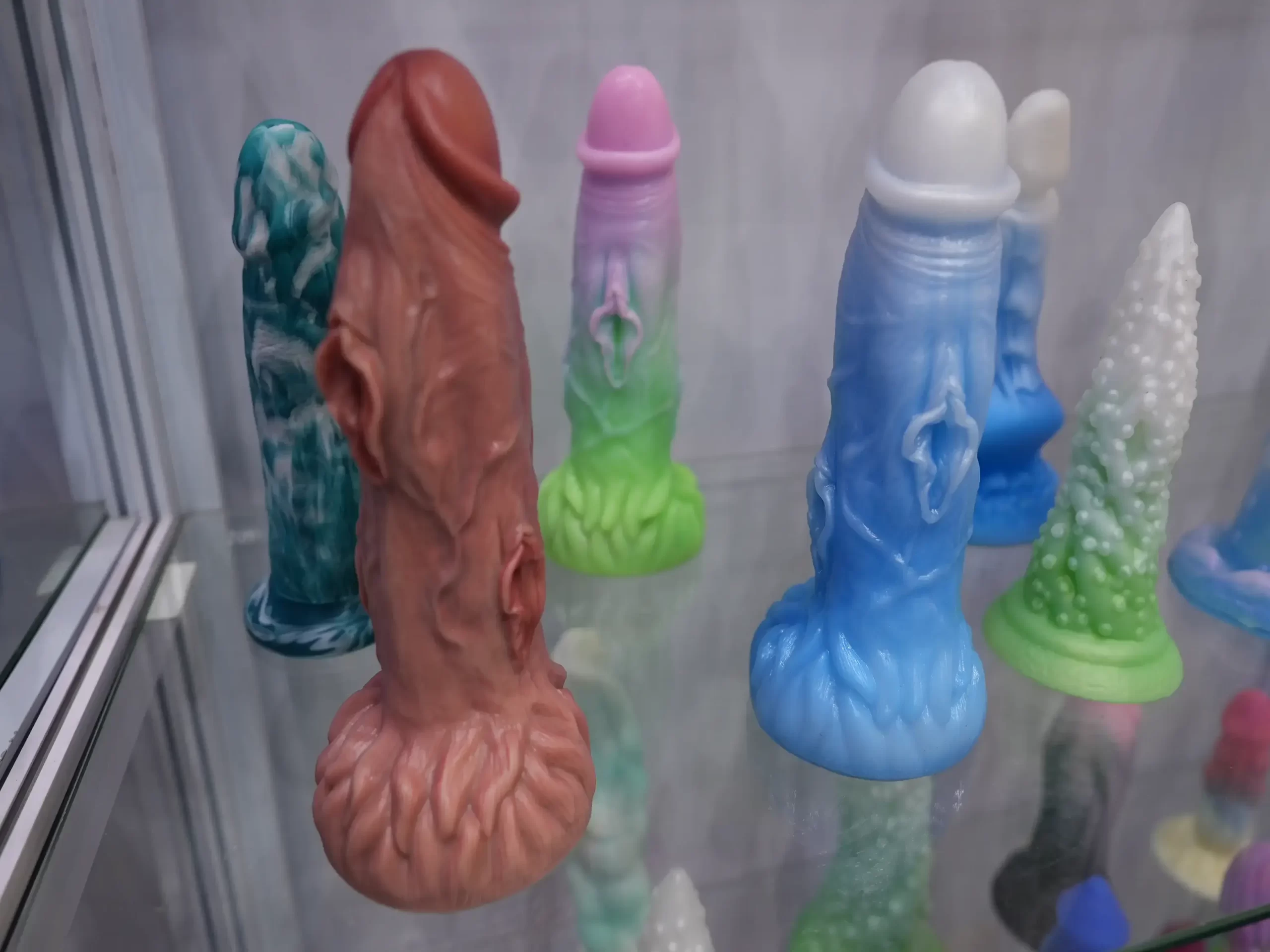
Many realistic dildos feature veins, ridges, textured heads, or sculpted details.
Although these features improve realism, they can also trap lubricant and residue more easily than smooth surfaces.
A soft cloth or soft-bristled brush can help clean these areas without damaging the material.
Take your time and inspect the dildos before rinsing it one final time.
Types for Cleaning Your Dildos:
Cleaning Silicone Dildos
Medical-grade silicone is one of the easiest materials to maintain.
Because it is non-porous, silicone resists moisture absorption and can usually be cleaned with warm water and mild soap after every use.
Many premium silicone dildos are also waterproof, making daily cleaning quick and convenient.
For toys without electronic components, some manufacturers also allow occasional deep sanitizing according to their care instructions. Always follow the manufacturer’s recommendations before using heat-based cleaning methods.
Silicone should always be completely dry before storage.
Cleaning Glass and Stainless Steel Dildos
Glass and stainless steel are among the most hygienic materials available.
Their smooth, non-porous surfaces make them exceptionally easy to clean.
Wash thoroughly with warm water and mild soap, rinse carefully, and dry completely.
Because these materials don’t absorb moisture, they’re particularly popular among users who prioritize easy maintenance and long-term durability.
Although they’re highly durable, inspect glass dildos regularly for chips or cracks before every use and discontinue use if any damage is found.
Cleaning TPE and PVC Dildos
While TPE and PVC dildos are often more affordable and have a softer, more lifelike feel, they require additional care compared to silicone, glass, or stainless steel.
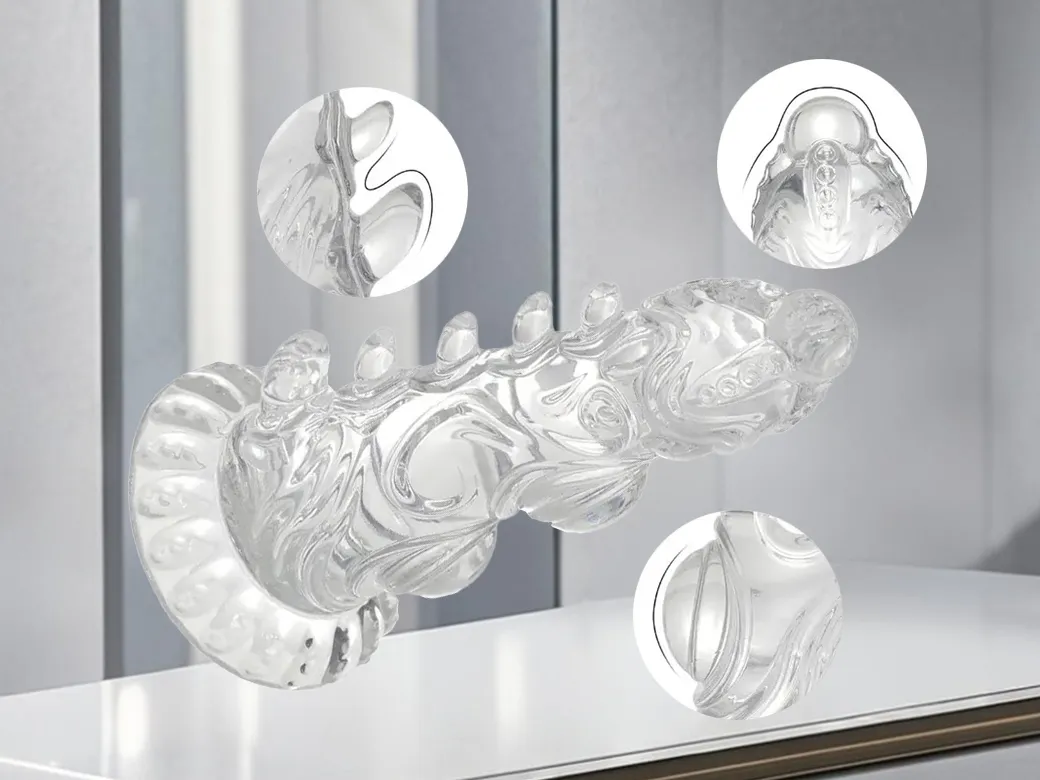
Unlike non-porous materials, TPE and PVC contain microscopic pores that can absorb moisture, lubricants, and bacteria over time. This doesn’t mean they’re unsafe to use, but it does mean regular cleaning and proper storage are especially important.
To clean a TPE or PVC dildo:
- Rinse the toy under warm running water immediately after use.
- Wash it gently with mild soap or a toy cleaner formulated for porous materials.
- Avoid soaking the toy for long periods, as excessive moisture may affect the material.
- Dry it thoroughly with a clean towel before allowing it to air dry completely.
Some manufacturers recommend applying a light coating of renewing or maintenance powder after the toy is fully dry. This can help reduce stickiness and keep the surface feeling smooth. Always follow the manufacturer’s instructions if this type of maintenance is recommended.
Should You Use Toy Cleaner or Soap?
One of the most common questions is whether a dedicated toy cleaner is necessary.
For most body-safe dildos, warm water and mild, fragrance-free soap are perfectly adequate for routine cleaning.
Toy cleaners, however, offer several advantages:
- Convenient spray application
- Quick cleaning between uses
- Gentle formulas designed for intimate products
- Easy portability when traveling
Neither option is automatically better than the other. The most important factor is cleaning your toy thoroughly after every use.
If you choose soap, avoid products containing strong fragrances, alcohol, bleach, or harsh antibacterial chemicals, as these may damage certain materials or leave unwanted residue.
Can You Boil a Silicone Dildo?
Many people have heard that silicone toys can be boiled, but the answer depends on the specific product.
Some solid, non-electronic medical-grade silicone dildos can tolerate occasional boiling for deeper sanitation. However, this is not appropriate for every silicone toy.
Never boil a dildo if it contains:
- A vibrator
- Internal electronics
- Rechargeable batteries
- Metal components that the manufacturer advises against heating
Before attempting any heat-based sanitizing method, always read the care instructions provided by the manufacturer.
If no guidance is available, washing with warm water and mild soap remains the safest approach.
How Often Should You Clean a Dildo?
The short answer is simple:
Clean your dildo every time you use it.
This applies both before and after use.
Cleaning before use removes dust or residue that may have accumulated during storage. Cleaning afterward removes lubricant, body fluids, and any remaining debris before they have a chance to dry.
If you haven’t used a dildo for several months, it’s also a good idea to give it a quick wash before using it again, even if it has been stored properly.
Developing this simple habit helps keep your toys hygienic and ready whenever you want to use them.
Cleaning After Anal Play
Extra attention should always be given to toys used for anal play.
After use:
- Wash the dildos thoroughly before it comes into contact with any other part of the body.
- Use warm water and mild soap or an appropriate toy cleaner.
- Rinse carefully to remove all residue.
- Dry completely before storage.
Many users choose to dedicate specific toys exclusively to anal play. Keeping separate toys for different types of use can simplify cleaning routines and reduce the risk of cross-contamination.
Drying Before Storage
Cleaning doesn’t end after rinsing.
A dildo that is stored while still damp can collect lint, trap moisture, or develop unpleasant odors over time.
After washing:
- Pat the dildos dry with a clean, lint-free towel.
- Allow it to air dry completely.
- Inspect the surface to ensure no moisture remains in textured areas.
Only once the toy is completely dry should it be returned to storage.
Expert Cleaning Tips
Over years of reviewing and maintaining adult toys, several habits consistently prove worthwhile.
Clean Immediately
Fresh lubricant and residue are much easier to remove than dried residue. Cleaning immediately after use saves time and keeps the surface in better condition.
Keep a Dedicated Cleaning Kit
Many experienced users keep a small cleaning kit together containing:
- Mild soap or toy cleaner
- Soft microfiber towel
- Storage pouch
- Water-based lubricant
Having everything in one place makes post-use cleaning much quicker and encourages good maintenance habits.
Inspect Before Every Use
Cleaning is also the perfect opportunity to examine your dildo.
Check for:
- Surface damage
- Tears
- Cracks
- Discoloration
- Changes in texture
If the material shows signs of deterioration, replacing the toy is generally the safest option.
Don’t Share Without Cleaning
If a dildo will be shared between partners, it should always be cleaned thoroughly before another person uses it. Depending on the situation and the manufacturer’s guidance, using an appropriate barrier method may provide additional protection.
Proper hygiene helps reduce unnecessary health risks while keeping the experience enjoyable for everyone.
Common Cleaning Mistakes
Even high-quality dildos can wear out prematurely if they’re cleaned incorrectly. Fortunately, most cleaning problems are easy to avoid once you know what to look for.
Using Harsh Household Cleaners
One of the biggest mistakes is assuming stronger cleaning products are better.
Household cleaners such as bleach, ammonia, acetone, or abrasive bathroom sprays are designed for hard surfaces—not intimate products. These chemicals can damage certain materials, leave behind unwanted residue, or shorten the lifespan of your toy.
Instead, stick with warm water, mild fragrance-free soap, or a toy cleaner specifically formulated for intimate products.
Forgetting to Dry the Toy Completely
Many people wash their dildos, shake off the excess water, and immediately place it back into a storage bag.
While this seems harmless, trapped moisture can encourage odors, affect certain materials, and reduce the lifespan of the toy.
After every wash:
- Dry the entire surface thoroughly.
- Pay extra attention to textured areas and suction cups.
- Allow the toy to air dry completely before storing it.
A few extra minutes of drying can make a significant difference over the long term.
Storing Toys Together
Another common mistake is keeping several toys loose in the same drawer.
Although convenient, this can cause:
- Dust accumulation
- Surface scratches
- Material wear
- Unnecessary friction between toys
For silicone toys in particular, storing each item separately is a good habit. A dedicated storage pouch or individual fabric bag helps keep toys clean and protects their surfaces.
Ignoring the Manufacturer’s Care Instructions
Not every dildo should be cleaned in exactly the same way.
Some products contain:
- Vibrating motors
- Rechargeable batteries
- Removable sleeves
- Mixed materials
Always review the manufacturer’s care instructions before using hot water, toy cleaners, or any deep-sanitizing method. Following the recommended care routine helps maintain both safety and product performance.
How to Store Your Dildo After Cleaning
Cleaning and storage go hand in hand. Even a perfectly cleaned dildo can collect dust or become damaged if it isn’t stored correctly.
After the toy is completely dry, store it:
- In a clean storage pouch or dedicated toy case
- Away from direct sunlight
- In a cool, dry location
- Away from excessive humidity
- Separate from other toys whenever possible
If your dildo has a suction cup, avoid placing heavy objects on top of it during storage, as this may deform the base over time.
Proper storage not only protects the material but also means your toy is clean and ready the next time you want to use it.
Frequently Asked Questions
Do I need to clean my dildo before using it?
Yes.
Even if the dildo was cleaned after its previous use, dust or lint may accumulate during storage. A quick wash before use helps ensure the surface is clean and ready.
Can I use antibacterial hand soap?
A mild, fragrance-free soap is generally the safest choice. Some antibacterial soaps contain stronger ingredients that may be unnecessary for routine cleaning and could be harsher on certain materials.
Is toy cleaner better than soap?
Not necessarily.
Both can work well when used correctly. Toy cleaners are designed specifically for intimate products and are often convenient, while mild soap and warm water remain an excellent everyday cleaning solution.
How long should I let my dildo dry?
Allow the toy to dry until no visible moisture remains. Depending on the material and room conditions, this may take anywhere from several minutes to an hour.
Never store a dildo while it is still damp.
Should I clean a brand-new dildo?
Absolutely.
Even new dildos may have manufacturing residue, packaging dust, or particles from handling during production. Washing a new toy before its first use is always recommended.
When should I replace my dildo?
Replace your toy if you notice:
- Cracks or tears
- Sticky surfaces that don’t improve after cleaning
- Deep discoloration
- Material deterioration
- Damage that could affect comfort or safety
Regular inspection is just as important as regular cleaning.
Final Thoughts
Cleaning your dildos properly is one of the simplest ways to protect both your health and your investment. Fortunately, maintaining most modern toys requires very little effort. Washing with warm water and mild soap after every use, allowing the dildo to dry completely, and storing it correctly will keep it in excellent condition for years.
Choosing body-safe materials such as medical-grade silicone, glass, or stainless steel also makes maintenance easier, as these materials are naturally non-porous and resist moisture absorption. Regardless of which material you choose, consistent cleaning habits are far more important than using complicated sanitizing methods.
A clean dildo is not only more hygienic—it also performs better, lasts longer, and provides greater peace of mind every time you use it. By making cleaning part of your regular routine, you’ll help ensure that every experience remains comfortable, safe, and enjoyable.