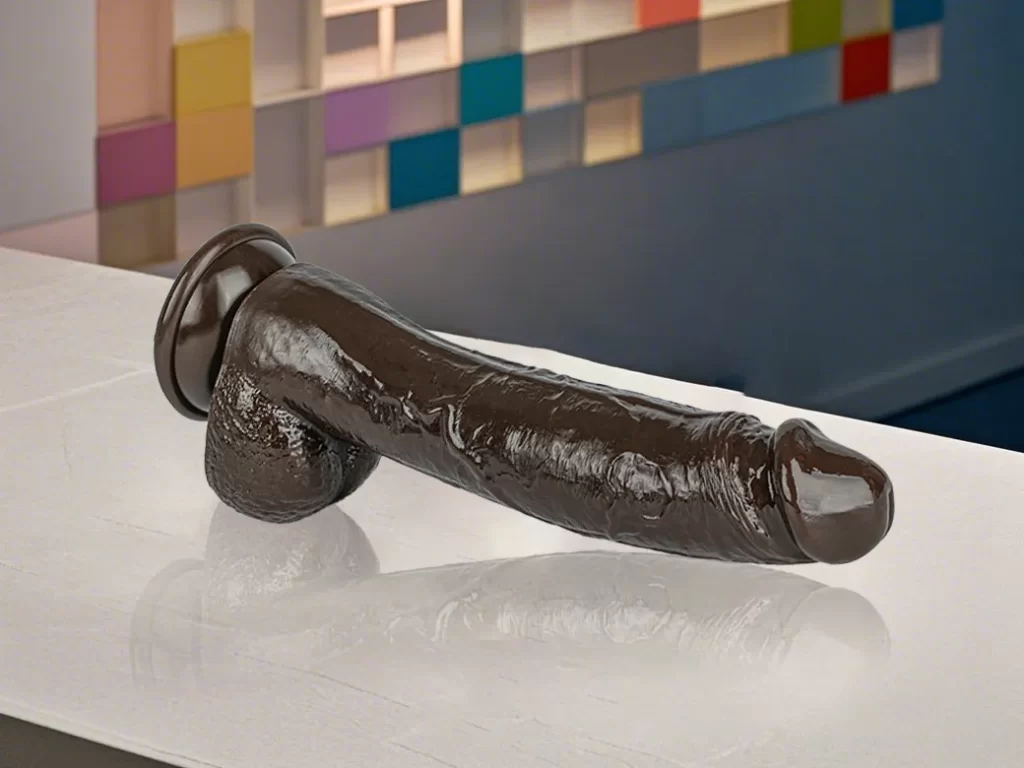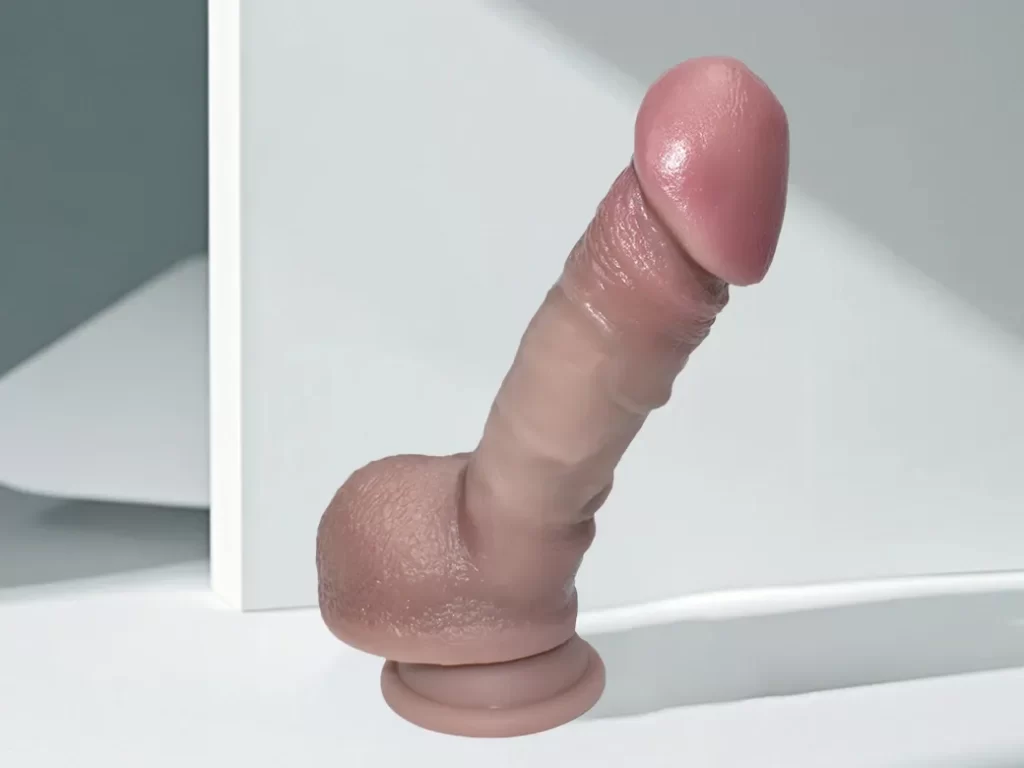

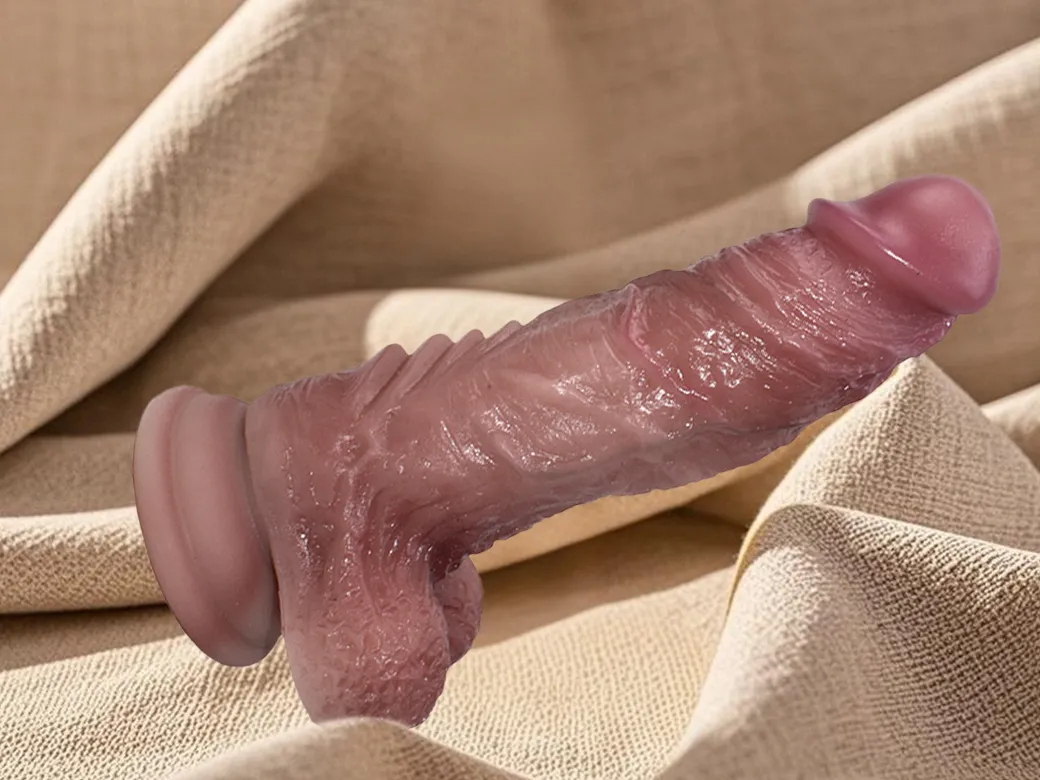
Two dildos that were stored side by side may come apart with a tacky pull, leave a mark, or seem fused at the contact point. It is natural to call that “melting,” but ordinary room-temperature storage does not tell you what happened. The surface may be reacting to residue, pressure, heat, a coating, or contact between different materials. The symptom alone cannot identify the cause.
Use this guide to separate temporary sticking from visible material damage, handle stuck dildos gently, and set up storage that limits contact. Because material formulas and finishes vary, follow the care instructions for each exact dildo.

Quick answer: did the dildos actually melt?
Usually, a sticky or bonded spot after storage is not enough evidence to say that the material melted. True melting involves heat changing a material’s physical state; a tacky surface can instead come from residue, softening, surface transfer, or a material interaction. Some materials may deform or become softer when exposed to unsuitable heat, but the exact response depends on the dildo’s composition and construction.
Start by checking what you can observe: whether the surfaces separate without force, whether color or material transferred, whether either surface is torn or peeled, and whether tackiness remains after cleaning according to the maker’s instructions. Do not diagnose the material from touch alone.
What can make dildos stick together?
| Possible factor | What you might notice | What to check |
|---|---|---|
| Lubricant or cleaner residue | A slick, tacky, or cloudy film at the contact area | Whether the surface improves after approved cleaning and full drying |
| Moisture trapped in storage | Dampness around texture, seams, or the point where two items touched | Whether the dildos were fully dry before being put away |
| Material or finish contact | Sticky spots, color transfer, surface dulling, or a change in feel | Material labels, coatings, layers, and the maker’s storage guidance |
| Pressure and compression | Temporary flat spots or an item held against another surface | Whether heavy objects or tight packing pressed the dildos together |
| Heat exposure | Softening, distortion, or a shape change after storage in a hot area | Whether the storage location was near a heater, window, or hot vehicle |
| Surface deterioration | Persistent tackiness, peeling, cracking, or material transfer | Whether the change remains after care instructions are followed |
These clues can overlap. For example, residue trapped between two surfaces may feel like an adhesive spot, while pressure and warmth can make contact harder to undo. A label such as “silicone” or “realistic feel” may not describe every component, coating, or layer of a multi-material dildo. If the exact material is unclear, ask the seller.
What “melted” may look like in practice
People often use “melted” to describe several different surface changes. A dildo that is tacky only where it touched another item may have residue or a contact-related surface change. A dildo that is misshapen across a wider area after exposure to heat or pressure may have softened or deformed. Peeling, cracking, and color transfer suggest other kinds of surface damage. These descriptions are useful observations, but none identifies the chemistry or proves the cause.
Compare the contact point with an area that was not pressed against another object. Note whether both dildos changed, whether the mark follows the outline of the item they touched, and whether the change remains after approved cleaning and drying. Do not keep rubbing a questionable surface to see if the tackiness disappears; friction can alter the finish and make it harder to describe accurately.
If a dildo was stored near a heat source or in a hot vehicle, mention that to the seller. If no unusual heat or pressure occurred, mention that too. A clear timeline—when the dildo was last normal, where it was stored, and when the change was noticed—helps support a model-specific assessment.
If two dildos are stuck, separate them gently
- Stop pulling. Do not yank, twist, or use a blade to break the contact. Force can tear a soft surface or lift a coating.
- Check the care labels. Confirm that the cleaning method you plan to use is allowed for both dildos, especially if either has electronics, a coating, or a layered design.
- Use a little lukewarm water if permitted. Let water reach the contact edge, then gently ease the surfaces apart with your fingers. A small amount of mild soap may help if the makers’ care directions allow it.
- Rinse and dry each item separately. Remove any loosened residue, then let both dildos air-dry fully before storing them again.
- Inspect the contact area. Look for tears, peeling, cracks, color transfer, or a surface that remains unusually sticky after approved cleaning.
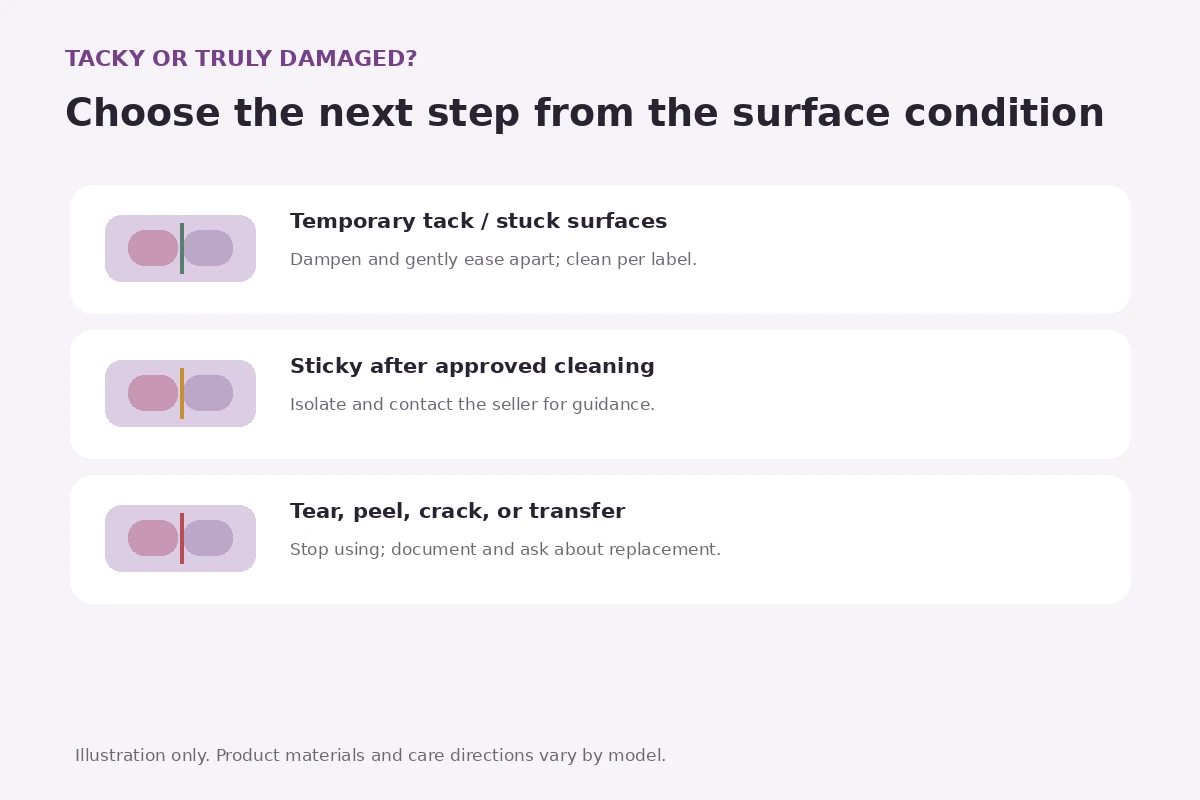
If they do not separate with gentle handling, or if either surface starts to stretch, tear, or peel, stop. Contact the manufacturer or seller with photos and the model names. Do not use cooking oil, solvents, alcohol, adhesive remover, powder, or extra heat to force separation; these can leave residue or damage a material or finish.
Sticking versus damage: a decision guide
May be a removable surface issue
- The dildos separate without tearing or stretching.
- The contact area has a light film or residue that washes off using the approved method.
- The surface returns to its usual appearance and feel after rinsing and complete drying.
- There is no exposed inner layer, crack, peel, or continuing material transfer.
Pause use and ask the maker about these signs
- The surface remains sticky, oily, or unusually soft after approved cleaning and drying.
- A colored or cloudy layer appears to have transferred from one dildo to another.
- There is peeling, flaking, a crack, a tear, a bubble, or an exposed inner material.
- The shape has permanently changed, or the two surfaces remain bonded.
- The dildo has electronics, seams, or multiple layers that may have been affected.
If material has peeled or a crack has opened, routine washing may not restore the original surface. Avoid using the affected dildo until the manufacturer gives model-specific guidance. Our article on what damage can and cannot be repaired explains why gluing or patching a damaged surface is not a dependable fix.
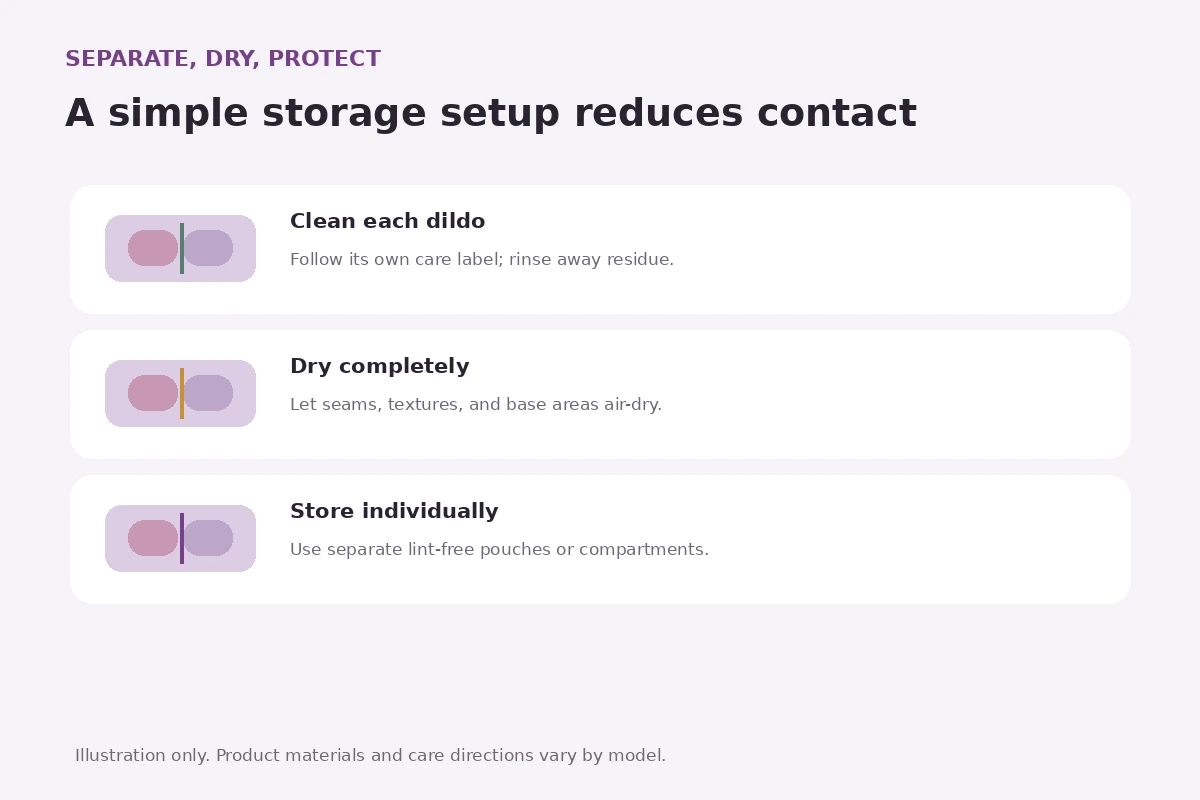
Build a storage setup that prevents contact
- Clean according to each dildo’s instructions. Different materials and powered designs can have different water and cleaner limits.
- Let the surface dry completely. Pay attention to textured areas, seams, suction-cup rims, and joins where moisture can linger.
- Store each dildo separately. Use its supplied pouch or a clean, dry, lint-free bag or compartment. Do not assume two similarly labeled materials are compatible for long-term contact.
- Avoid compression. Keep heavy items off soft dildos and avoid tightly packed drawers that press surfaces together.
- Choose a cool, dry location. Keep dildos away from heaters, direct sunlight, hot cars, and damp areas.
- Keep care information. Save packaging or a photo of the material and cleaning instructions for each model.
Individual storage is a cautious routine because material blends, finishes, and product construction are not always fully disclosed. It can also prevent color transfer, lint, and dust. For a broader storage routine, read our guide to storing a dildo properly.
Material notes: don’t assume every “silicone” behaves the same
Product descriptions do not always provide a full formulation or explain every layer. Two dildos described with the same broad material name may still have different finishes, additives, firmness, or construction. Other products combine materials, include a painted surface, or have an outer layer around a different core.
Because of these differences, blanket rules such as “all silicone dildos can touch” or “any contact will melt silicone” are not reliable for every model. Follow the maker’s storage guidance. When it is missing, separate the dildos rather than testing compatibility through prolonged contact.
Residue from lubricant or cleaner can also change how a surface feels. If a silicone dildo became tacky after use rather than during storage, check both the dildo and lubricant instructions and consult our guide to sticky-feeling silicone surfaces and lint. If the material itself seems unusually tacky or oily, see possible signs of silicone cure problems.
What to send customer service
Clear documentation helps the seller distinguish residue from a material or finish problem. Send:
- A close-up photo of the contact area and a wider photo showing where it is on the dildo.
- The model name, material wording, purchase date, and order number.
- A short description of whether the dildos separated easily and what changed after approved cleaning.
- Any packaging or care label that identifies materials or storage directions.
You can write: “These two dildos were stored separately/in contact for [time]. They felt [tacky/bonded] at [location]. I separated them by [method allowed by the care instructions]. The surface now looks/feels [description]. Can you confirm whether this is expected for these models and advise whether they should be replaced?” Avoid guessing that they melted unless the seller confirms it.
Frequently asked questions
Can silicone dildos melt together at room temperature?
A sticky contact spot does not prove that silicone melted. Surface tackiness can have more than one cause, and formulas or finishes vary. Store dildos separately and ask the maker if the surface remains changed after approved cleaning.
Can I pull two stuck dildos apart?
Do not yank or twist them. If care instructions allow, use lukewarm water at the contact edge and gently ease them apart. Stop if the material stretches, tears, or peels.
Will a storage pouch prevent sticking?
Separate pouches or compartments reduce direct contact and help limit dust and residue transfer. Use a clean, dry pouch that does not shed lint and follow the dildo maker’s instructions.
Should I use powder, oil, or alcohol on a sticky spot?
Do not apply them as a separation fix unless the manufacturer specifically approves that substance for the exact material. Use the listed cleaning method; unapproved substances may leave residue or affect the finish.
When should I stop using a dildo that stuck to another one?
Pause use if there is peeling, cracking, a tear, exposed inner material, persistent unusual tackiness, color transfer, or a permanent shape change. Ask the manufacturer or seller for model-specific advice.
Prevent contact before it becomes a problem
When dildos stick together, “melted” is only one possible explanation—and often not the most useful first conclusion. Note the surface changes, separate the items gently if care instructions allow, and clean and dry them individually. For future storage, a dedicated pouch or divided compartment is a simple barrier between materials and finishes. If tackiness or damage remains, photograph it and let the seller assess the exact model.