
Quick Answer
A silicone dildo may attract dust, hair, and fabric fibers because of its soft surface texture, static buildup, traces of lubricant, incomplete drying, or contact with lint-producing storage materials. This is especially noticeable on softer silicone and products with a matte or skin-like finish.
A few loose fibers on the surface do not usually mean that the dildo is defective. Wash it using the manufacturer’s recommended method, rinse it thoroughly, allow it to dry, and store it away from fabric and open air.
However, if the surface remains sticky after proper cleaning, develops an oily coating, peels, cracks, or transfers color, the problem may be material deterioration rather than ordinary lint attraction.
Why Silicone Dildos Collect Visible Debris
Silicone is popular for dildos because it can be flexible, durable, waterproof, and relatively easy to maintain. Nevertheless, not every silicone surface feels the same.
Some dildos have a smooth, polished exterior. Others use a soft matte finish designed to feel less slippery or create a more realistic texture. Softer surfaces may hold onto small particles more easily, particularly when the dildo is left uncovered.
Dust is also easier to notice on certain colors. A small amount of pale lint may be almost invisible on a light-colored dildo but highly visible on a black, red, or dark purple surface. The product may not be collecting more dust—it may simply be making the dust easier to see.
The Five Most Common Causes
1. The Silicone Has a Soft or Matte Finish
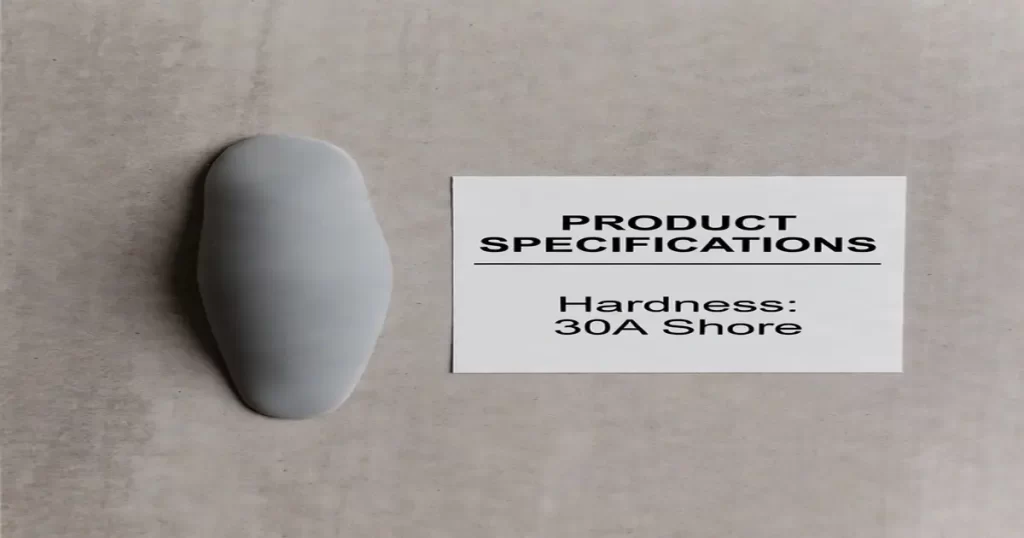
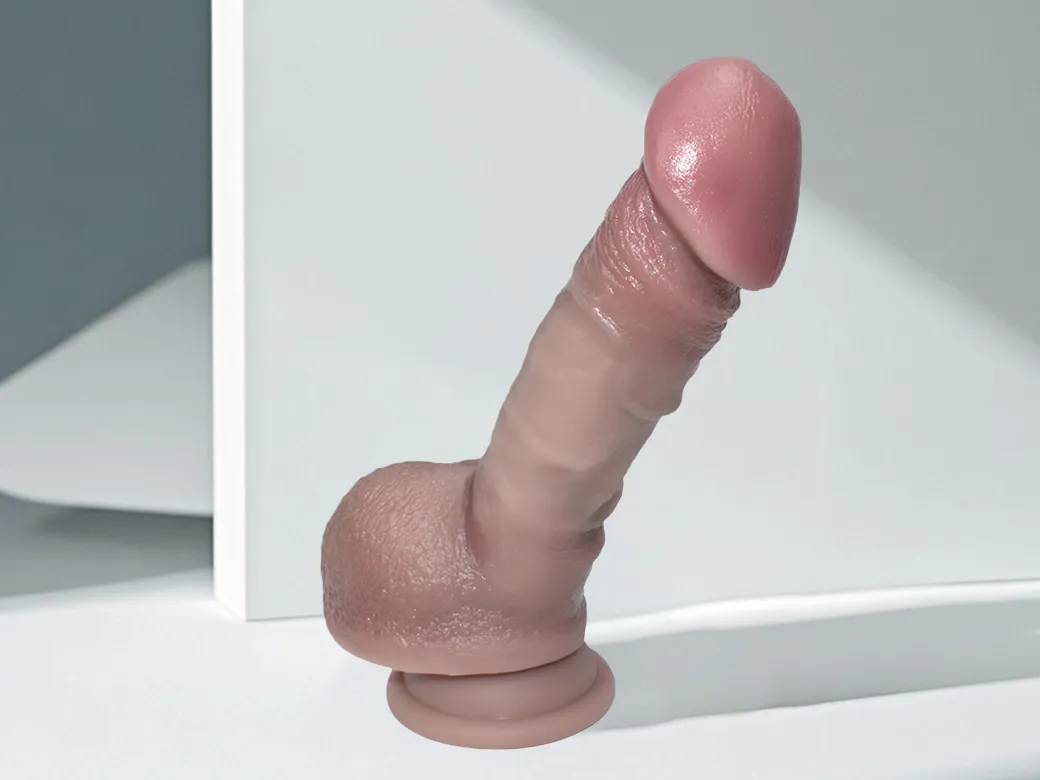
A dildo made from very soft silicone can have a slightly grippy surface without being damaged. This texture may improve handling and realism, but it can also catch hair, fibers, and airborne dust.
Highly polished silicone generally releases particles more easily. Matte silicone, detailed veins, wrinkles, and textured areas create more places for lint to remain.
This is a surface characteristic rather than proof of poor hygiene or low-quality material.
2. Lubricant Remains on the Surface
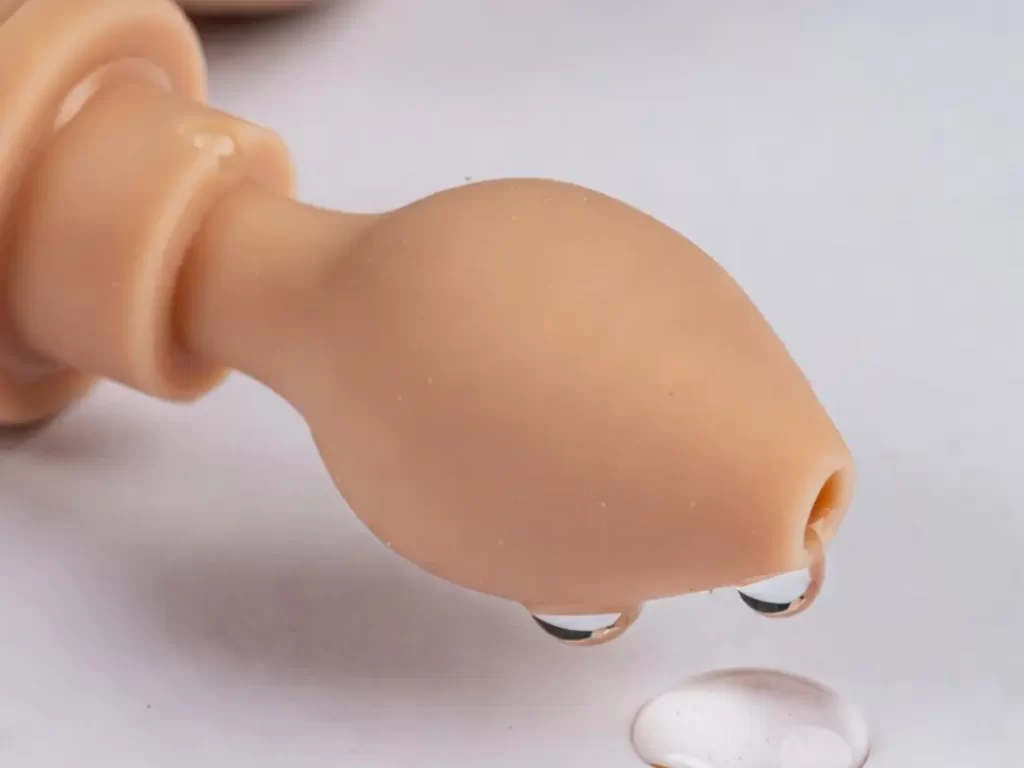
A thin lubricant film can remain even when the dildo appears clean. Dust and hair then adhere to the residue.
This is more likely when:
- Too much lubricant was used.
- The product was wiped instead of washed.
- Textured areas were not rinsed completely.
- The cleaner left a film.
- The dildo was stored before it was fully clean.
Pay particular attention to the underside of the head, detailed veins, ridges, suction-cup edges, and the area where the shaft meets the base.
Consult how to clean a dildo for a complete material-specific routine.
3. The Dildo Was Stored Before It Dried
Moisture may remain in grooves or underneath a wide base after the visible surface appears dry. A damp dildo can collect dust from the air, a towel, or its storage container.
Allow the product to air-dry completely in a clean location. Avoid immediately placing it in a sealed bag while moisture remains, because the enclosed environment can also encourage unpleasant odors.
4. The Storage Bag or Towel Produces Lint
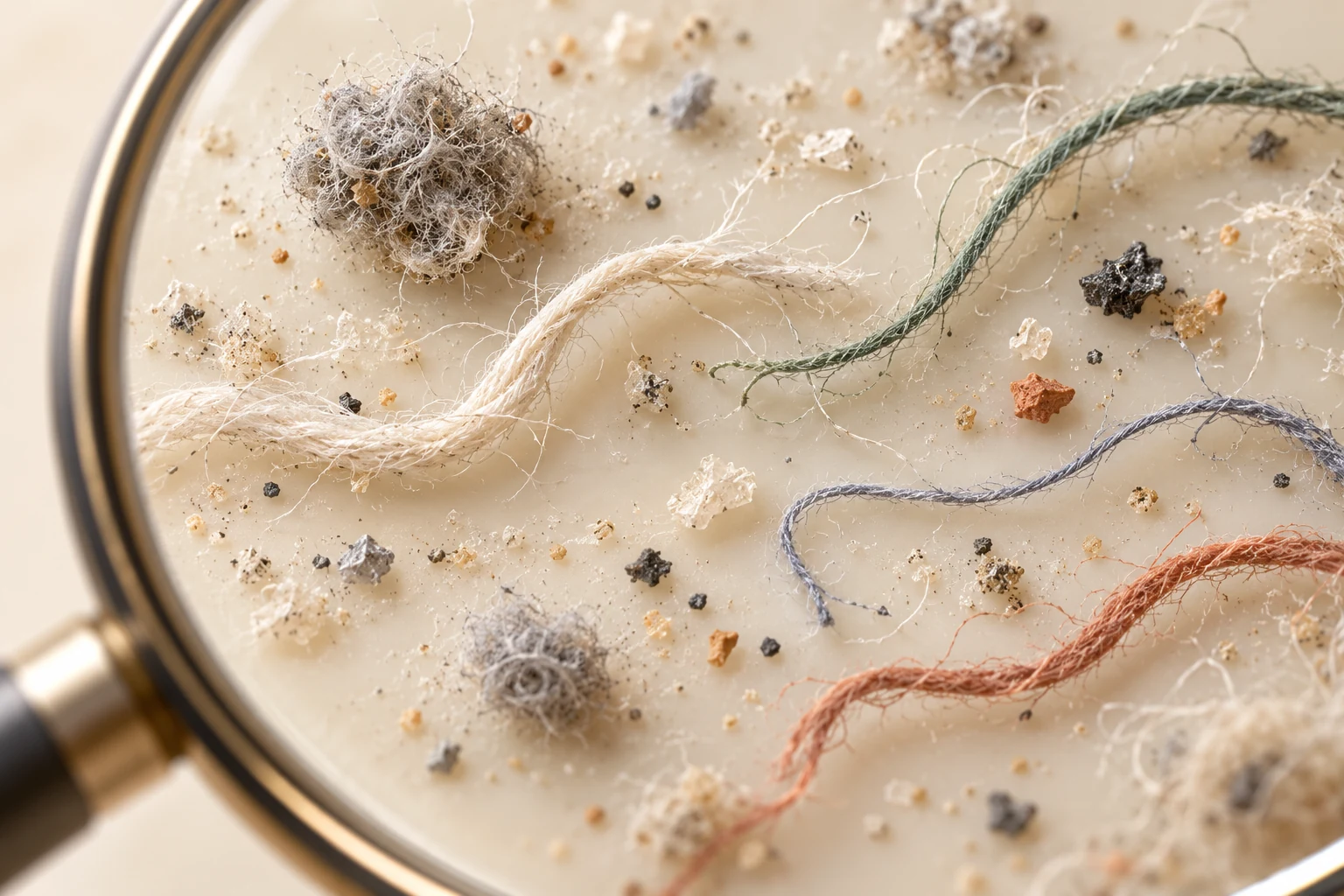
Cotton towels, fleece blankets, tissues, toilet paper, and some soft storage pouches release tiny fibers. Rubbing the dildo against these materials can make the surface appear dusty immediately after cleaning.
This creates a frustrating situation: the user washes the dildo, dries it with a towel, and then finds more lint than before.
A clean, lint-free cloth may be suitable for some products, but air-drying is often the simplest way to avoid fiber transfer.
5. Static Electricity Is Attracting Lightweight Particles
Handling, wiping, and rubbing a silicone surface against fabric can create static buildup. Lightweight hair and dust may then cling to the dildo.
Static-related lint often appears immediately after the product is removed from a fabric pouch or wiped with a dry cloth. Rinsing the surface can remove it more effectively than repeatedly wiping it.
Is Lint a Sign That the Silicone Is Deteriorating?
Not by itself.
A dildo can collect lint while remaining clean, intact, and fully usable. The important question is how the material feels after it has been washed, rinsed, and dried correctly.
Use this quick diagnostic table:
| What You Notice | Likely Explanation | Recommended Action |
|---|---|---|
| Loose dust rinses away easily | Normal surface attraction | Clean and improve storage |
| Fibers appear after towel-drying | Lint from the towel | Air-dry or use a lint-free cloth |
| Surface feels slippery before washing | Lubricant or cleaner residue | Wash and rinse more thoroughly |
| Surface feels slightly grippy but not oily | Normal soft or matte silicone finish | Continue regular care |
| Surface stays tacky after repeated cleaning | Possible residue or material change | Check the product instructions and inspect it |
| Oily material returns after cleaning | Possible deterioration or material migration | Stop using it until the material is identified |
| Surface peels, cracks, flakes, or transfers color | Product damage | Replace the dildo |
If the product was marketed only as “silicone-like,” “soft material,” or “premium material,” do not automatically assume it is made entirely from silicone. Read how to read a dildo product label and your broader dildo materials guide before choosing a cleaning method.
How to Remove Dust and Lint Safely
Step 1: Check the Manufacturer’s Instructions
Review the packaging or product page before using heat, strong cleaners, or a cleaning machine. A solid non-motorized silicone dildo and a vibrating silicone product may require very different care.
“Silicone” describes the outer material, not necessarily the complete construction.
Step 2: Rinse Away Loose Particles
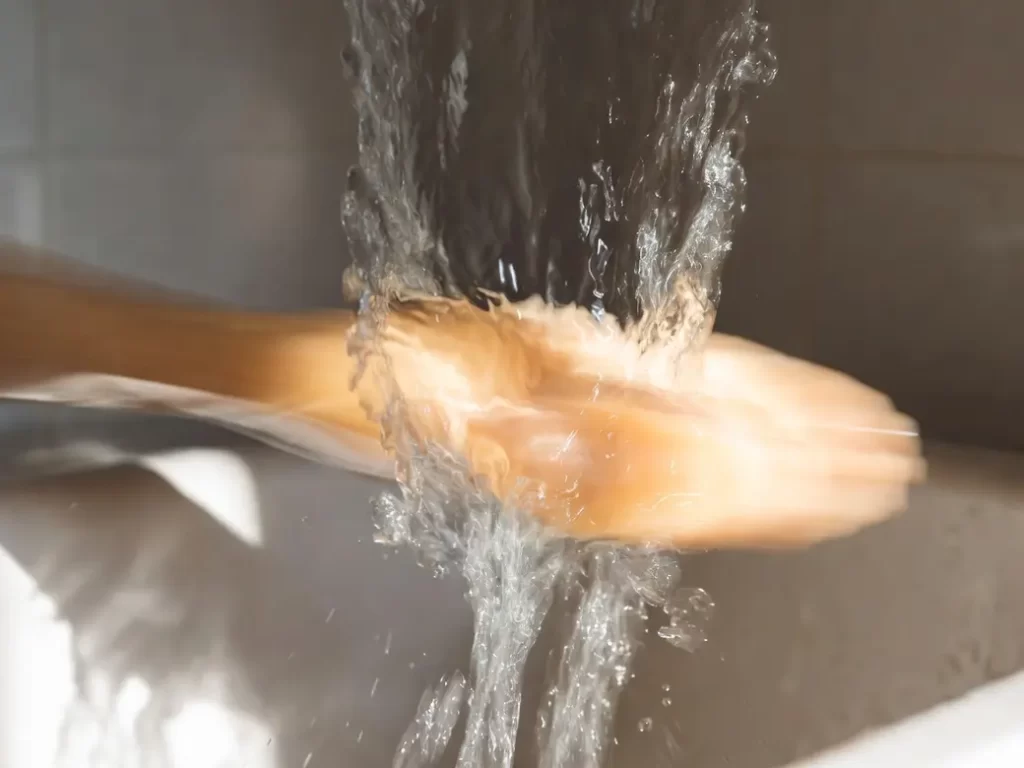
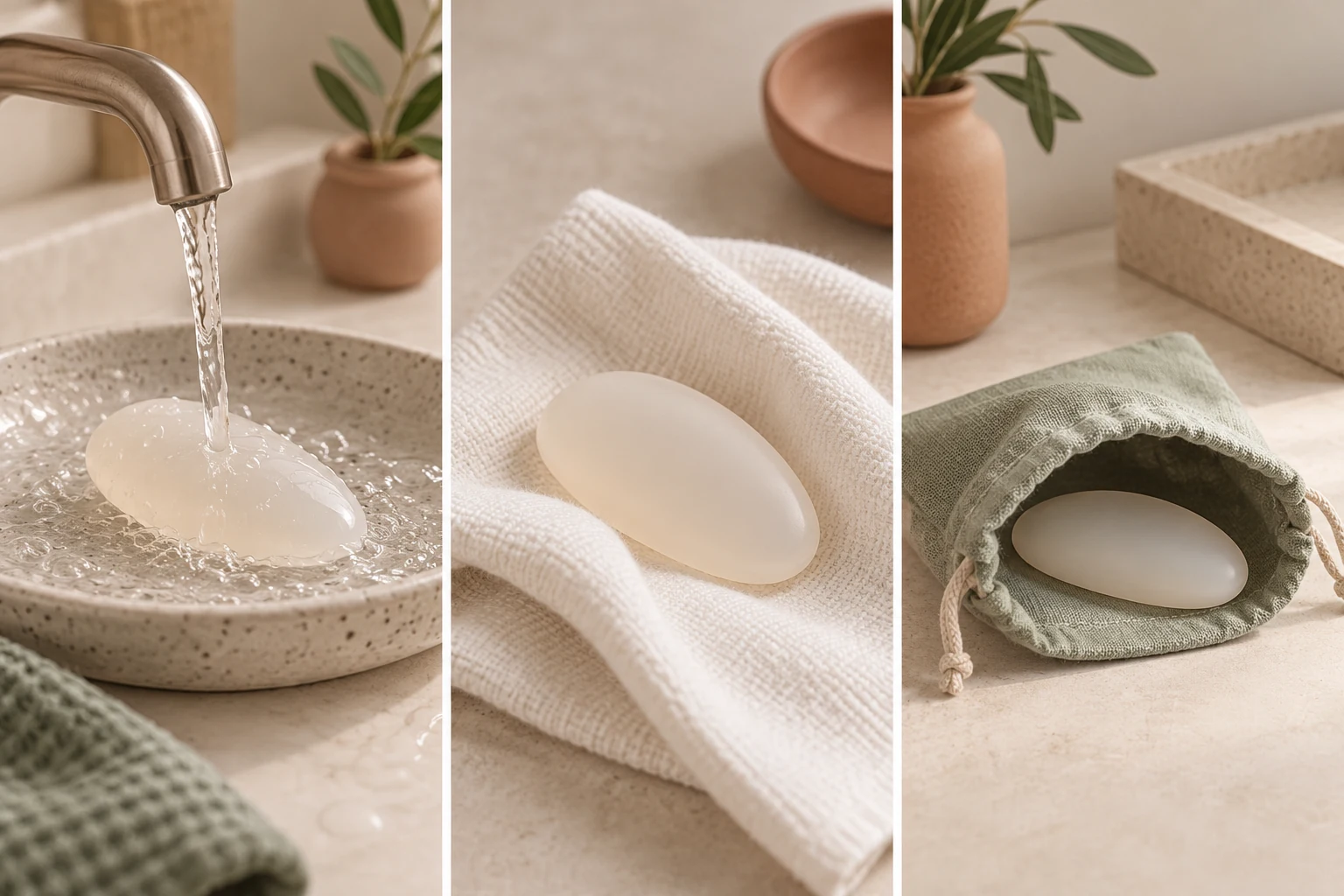
Hold the dildo under suitable running water if the product is waterproof. Allow the water to carry away dust rather than rubbing the particles across the surface.
If the product contains a motor, charging port, or battery compartment, confirm its water-resistance instructions first.
Step 3: Wash the Surface
Use the cleaning method recommended by the manufacturer. Work carefully around ridges, veins, the base, and other detailed areas where lubricant and fibers may remain.
A mild, unscented soap may be appropriate for many washable silicone products, but the product’s instructions should take priority.
Step 4: Rinse Thoroughly
Cleaner residue can create the same dust-attracting film that you are trying to remove. Continue rinsing until the surface feels clean and no foam remains around textured areas.
Step 5: Let It Dry Completely
Place the dildo on a clean, non-shedding surface and allow it to air-dry. Keep it away from open windows, fans carrying dust, pet hair, and high-traffic areas.
Once it is completely dry, move it into a dedicated storage container.
Cleaning Methods to Avoid
Do not try to solve lint attraction by applying random household products. Avoid:
- Coating the dildo with oil
- Applying body powder without manufacturer approval
- Using scented household sprays
- Scrubbing with an abrasive sponge
- Picking at the surface with a sharp object
- Using strong chemicals without checking compatibility
- Boiling a product simply because its exterior looks like silicone
- Placing an electronic dildo in water without confirming that it is waterproof
These methods may leave additional residue, damage the surface, or affect electronic components.
The Best Way to Store a Silicone Dildo
Clean It Before Storage
Do not store a dildo with lubricant, body fluids, soap, or toy-cleaner residue on its surface. Even a thin film can attract dust and create an unpleasant texture.
Clean the entire product, including:
- The underside of the head
- Veins, ridges, and wrinkles
- The junction between the shaft and base
- Suction-cup edges
- Handles and finger loops
- Any non-electronic controls that can be safely washed
Follow the product instructions and your how to clean a dildo guide rather than using the same method for every material.
Let It Air-Dry Completely
Air-drying reduces the chance of transferring fibers from a towel. Place the dildo on a clean drying surface in a low-dust location.
Turn it when necessary so that moisture does not remain underneath the base. Do not seal it inside a container until every section is dry.
Use an Individual Storage Container
Once dry, place the dildo in its own storage bag, box, or compartment. A suitable container helps protect it from dust, hair, and contact with other products.
Practical options include:
- The original product box
- A smooth, non-shedding storage pouch
- A dedicated hard-sided container
- A clean resealable bag, when appropriate for the product
- A divided drawer with individual compartments
If a fabric pouch leaves fibers on the surface, replace it with a smoother storage option. A bag is not helpful when its interior creates the lint problem.
Store Different Materials Separately
Do not allow an unidentified soft product to remain pressed against a silicone dildo for long periods. Different materials, surface coatings, colors, and plasticizers may interact or transfer between products.
High-quality silicone products may be stable beside one another, but separating every dildo remains the easiest precaution when the exact material composition is uncertain.
Your how to store dildos article can explain individual bags, drawer organization, temperature control, and electronic-product storage in greater detail.
Should You Put Cornstarch on a Silicone Dildo?
Usually, a silicone dildo does not need cornstarch or renewal powder. Powder is more commonly associated with certain TPE, TPR, or other soft products whose manufacturers specifically recommend it.
Applying powder to silicone without a clear reason may:
- Collect inside detailed textures
- Mix with lubricant or moisture
- Make cleaning more difficult
- Leave visible residue
- Change the surface feel temporarily
Do not apply talcum powder, scented body powder, flour, or an unidentified household powder.
If the manufacturer recommends a renewal powder, follow its directions precisely. Wash off any storage powder before use and inspect the product for remaining residue.
The safest rule is simple: do not powder a silicone dildo unless its manufacturer explicitly instructs you to do so.
Silicone vs TPE: Why the Surface Behaves Differently
Silicone and TPE can both feel soft, but they require different expectations and care routines.
| Feature | Silicone Dildo | TPE or TPR Dildo |
|---|---|---|
| Typical surface | Smooth, matte, or slightly grippy | Often soft, stretchy, and tackier |
| Dust attraction | Varies by finish and softness | Often more noticeable |
| Powder normally required | Usually no | Sometimes recommended by the manufacturer |
| Porosity | Quality silicone is generally nonporous | Commonly porous |
| Heat cleaning | Depends on construction and instructions | Usually more limited |
| Material identification | Should be confirmed from the label | “Soft material” descriptions may be vague |
| Long-term changes | May include tears or surface damage | May also become oily, tacky, discolored, or misshapen |
A dildo that attracts lint is not automatically silicone. Some products are described using phrases such as “silicone feel” or “silicone-like,” even though they are made from another elastomer.
Link silicone vs TPE dildos here so readers can compare care requirements before buying or cleaning a product.
Does Dust Make a Dildo Unsafe?
Visible dust means the dildo should be cleaned before use. However, a few removable fibers do not necessarily mean the material has become unsafe.
The more important warning signs are permanent changes that remain after proper cleaning and drying.
Stop using the dildo and investigate further if you notice:
- Cracks that open when the shaft bends
- Peeling or flaking material
- An oily film that repeatedly returns
- Persistent tackiness that was not present when new
- Color transferring onto a cloth or another product
- A strong new odor that does not disappear after cleaning
- Swelling, warping, or deformation
- Exposed electronic components
- Damage around a charging port or battery compartment
A condom should not be used to extend the life of a visibly deteriorating product. Read why is my dildo sticky for a more detailed comparison between residue and material breakdown.
When Should You Replace a Lint-Collecting Dildo?
Replacement is generally unnecessary when the lint rinses away and the surface returns to its normal condition. Improve the cleaning and storage routine first.
Consider replacing the dildo when:
- The surface has permanently changed.
- It can no longer be cleaned effectively.
- Cracks or peeling areas trap residue.
- Its material cannot be identified and continues to behave unpredictably.
- An electronic section has lost its waterproof seal.
- The product has developed damage that affects comfort or stability.
There is no single replacement date for every dildo. Frequency of use, material quality, storage, cleaning, and construction all influence its useful life. Your how long do dildos last guide can address these factors separately.
A Simple Anti-Lint Storage Routine
Use this routine after each use:
- Wash the dildo according to its material and construction.
- Rinse away all cleaner and lubricant.
- Allow it to air-dry completely.
- Inspect the surface under good lighting.
- Place it in an individual, non-shedding container.
- Store it away from direct sunlight, excessive heat, and open air.
- Rinse it again before use if any dust is visible.
This routine is more effective than repeatedly wiping the dildo with tissues or towels, which can add new fibers.
Frequently Asked Questions
Why does my new silicone dildo already have dust on it?
A soft or matte surface can collect particles during packaging, handling, or display. Wash a new dildo before its first use according to the manufacturer’s instructions.
Is a dusty silicone dildo low quality?
Not necessarily. Premium soft silicone can also attract lint. Material quality should be judged using the full product description, construction, odor, durability, and manufacturer information—not dust attraction alone.
Can I remove lint with a wet wipe?
Only if the wipe is approved for the product and does not contain unsuitable fragrances, oils, or chemicals. Rinsing and proper washing are usually more reliable.
Can I dry a silicone dildo with toilet paper?
It is not ideal because toilet paper can leave fibers on a grippy surface. Air-drying is less likely to create new lint.
Can I store a silicone dildo in its original box?
Yes, provided the box is clean, dry, and does not shed material onto the dildo. Some products may benefit from an additional individual bag inside the box.
Should I keep dildos in separate bags?
Separate storage is recommended, especially when products are made from different or unidentified materials. It also limits dust transfer and makes inspection easier.
Does lint mean my dildo is sticky?
Not always. Normal matte silicone may feel slightly grippy. Persistent tackiness, oiliness, or residue that returns after cleaning requires closer inspection.
Can I use powder to stop lint from sticking?
Do not use powder unless the manufacturer recommends it for that exact product. Silicone dildos usually do not require renewal powder.
Final Answer
Silicone dildos commonly attract dust and lint because of their soft finish, residual lubricant, static buildup, towel fibers, or open storage. If the particles rinse away and the material returns to its normal texture, the product is probably behaving normally.
Clean it carefully, air-dry it, and keep it in an individual non-shedding container. Persistent stickiness, oiliness, peeling, cracking, or color transfer is different from ordinary lint and may indicate that replacement is necessary.
CTA
Want a dildo with clearly identified materials and straightforward care instructions? Explore our silicone dildo selections, compare firmness and finishes, or read our dildo materials guide before choosing your next product.