

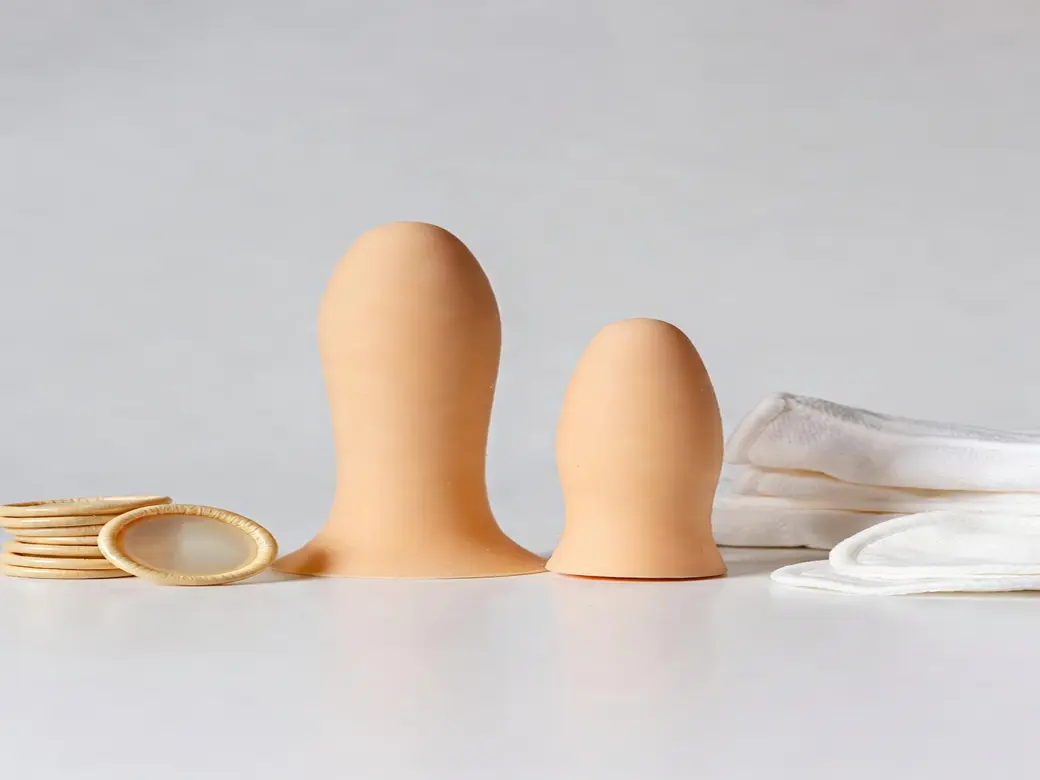
Sharing a dildo does not automatically make an experience unsafe, but it changes the hygiene requirements. Once the same dildo is used by more than one person—or moved between different body openings—it can transfer bodily fluids and microorganisms from one surface to another.
The safer approach is to treat every change of user or body opening as a new hygiene event. That usually means removing the existing condom, cleaning the dildo according to the manufacturer’s instructions, washing your hands, and applying a new condom before continuing.
The NHS specifically recommends washing shared sex toys between uses and placing a new condom on them each time. It also advises using a new condom when a toy is passed between partners or used in different body openings. The CDC similarly recommends covering shared sex toys with a new condom when possible and washing them carefully after each use.
Quick Answer: Can Two People Use the Same Dildo?
Yes, two people can use the same dildo, but sharing requires additional precautions.
The safest routine is:
- Use an intact dildo made from a clearly identified, nonporous material.
- Place a new condom over the insertable section.
- Change the condom before the dildo is used by another person.
- Change it again when moving between the anus and vagina, even with the same person.
- Clean the dildo according to its manufacturer’s instructions.
- Wash hands after removing a used condom and before handling a clean one.
- Do not share a dildo with cracks, tears, peeling areas, open seams, or an unidentified material.
A condom can reduce direct contact with the toy, but it does not make every dildo suitable for sharing. The condition and material of the product still matter.
Sharing Is a Transfer Problem, Not Just a Cleaning Problem
Most discussions about toy hygiene focus on what happens after use: wash the dildo, dry it, and put it away. Sharing creates additional points at which transfer can occur before the final cleaning begins.
A simple transfer chain may look like this:
Person A → dildo surface → Person B
However, fluids can also move indirectly:
Used condom → fingers → dildo base → clean condom
That is why cleaning only the shaft at the end of the session may not address every contacted surface. The base, suction cup, harness, storage container, buttons, and nearby accessories may also need attention.
There are four common transfer routes to consider.
1. From One Person to Another
A dildo used by one person may carry fluids onto the next person if it is shared without a fresh barrier and appropriate cleaning. Knowing and trusting a partner does not change how surface transfer occurs.
This does not mean partners should be afraid of sharing toys. It means the decision should be deliberate, mutually agreed upon, and supported by a clear hygiene routine.
2. From One Body Opening to Another
Cross-contamination can happen even when only one person uses the dildo.
For example, a dildo should not be moved directly from the anus to the vagina. A new condom should be used, and the toy should be cleaned according to its care instructions before the change. The NHS advises using a new condom between penetration of different body openings.
This rule is easy to remember:
New person or new opening = new barrier and a hygiene reset.
3. From the Toy to the Hands and Accessories
A condom may cover the insertable shaft while leaving the base exposed. Hands that remove the used condom can then touch the base, lubricant bottle, harness straps, remote control, or clean supplies.
Plan the order of handling before starting:
- Prepare clean condoms and lubricant.
- Keep used items separate from unused supplies.
- Remove the used condom carefully.
- Dispose of it immediately.
- Wash and dry your hands.
- Clean the dildo as directed.
- Apply a fresh condom before the next use.
This is a more complete routine than simply replacing the condom with the same unwashed hands.
4. From Storage or an Unclean Surface
A freshly cleaned dildo can be contaminated again if it is placed on an unclean nightstand, towel, storage bag, or harness.
Allow the dildo to dry completely if its care instructions require air-drying, then store it separately in a clean pouch or container. Our guide to how to store a dildo properly can be linked here for readers who need a longer storage checklist.
Shared-Dildo Safety by Situation
| Situation | Recommended approach |
|---|---|
| One person, one body opening | Follow the normal cleaning instructions before and after use |
| One person, changing body openings | Remove the condom, clean the dildo, and apply a new condom |
| Two or more people using one dildo | Use a fresh condom for every person and clean between users |
| Dildo attached to a harness | Clean the dildo, base, and any contacted harness surfaces |
| Porous or unidentified material | Keep it for individual use rather than sharing |
| Cracked, torn, peeling, or damaged dildo | Stop using it and replace it |
| Condom tears or slips off | Stop, remove it, clean the dildo, wash hands, and use a new condom |
These steps reduce risk; they cannot guarantee that sharing is completely risk-free. Condoms reduce the chance of transmitting HIV and some sexually transmitted infections, but they offer less protection against infections transmitted through uncovered skin contact. This limitation is explained by the CDC in its guidance on condoms and HIV/STI prevention.
When Should You Change the Condom on a Dildo?
A condom placed over a dildo should be treated as a single-use barrier. Replace it:
- Before another person uses the dildo.
- Before moving the dildo to another body opening.
- If it tears, slips, rolls up, or becomes visibly damaged.
- If it has been removed for any reason.
- If the covered toy touches an unclean surface.
- At the start of a new session.
Do not turn a used condom inside out and reuse it. Do not place a second condom over the first one. The NHS warns that using more than one condom at a time can increase friction and make one or both condoms split.
The condom should cover the entire insertable portion without being stretched beyond its intended fit. A condom that is too loose may slide, while one placed over sharp or damaged texture may tear.
If latex allergy is a concern, look for an appropriate latex-free option and follow the instructions printed on its packaging.
Choosing a Dildo That Is Easier to Share Safely
Material transparency matters more when a dildo will be shared. A clearly labeled, intact product made from a nonporous material is generally easier to clean consistently than a product made from an unknown or potentially porous blend.
Common nonporous dildo materials include:
- Platinum-cured or clearly identified body-safe silicone
- Borosilicate glass
- Stainless steel
- Hard ABS plastic
Softer materials labeled TPE, TPR, jelly, PVC, “real-feel,” or simply “soft material” may be porous or difficult to evaluate without accurate manufacturer information. If the composition cannot be confirmed, the more cautious option is to assign that dildo to one person and avoid sharing it.
Readers who are uncertain about a product label can be directed to how to tell if a dildo is really silicone and the full dildo materials guide.
Material quality is only half of the evaluation. Check the dildo under bright light and gently inspect the surface before sharing it. Look for:
- Small tears or punctures
- Cracks around the base
- Peeling or flaking areas
- Sticky patches that remain after cleaning
- Gaps where two materials meet
- Damage around a suction cup or vibrating component
- Persistent odor or residue that cannot be removed
A condom should not be used to extend the life of a deteriorating product. If the surface is damaged, replacement is the safer decision.
How to Put a Condom on a Dildo
The process is straightforward, but a few details help prevent slipping and tearing.
First, inspect the dildo and the condom package. Do not use a condom that is expired or has a damaged wrapper. Open the package carefully without using teeth, scissors, or sharp fingernails.
Place the condom over the tip of the dildo and roll it down until the complete insertable length is covered. Make sure it rolls in the correct direction and is not twisted. If it does not fit securely, use a more suitable size rather than forcing it.
Lubrication can reduce friction and help prevent breakage. Water-based lubricant is the simplest general-purpose option because it is compatible with latex condoms and most dildo materials. Oil-based products can weaken latex condoms, according to both CDC condom guidance and NHS condom guidance.
Silicone-based lubricant may be condom-compatible, but it is not suitable for every silicone or realistic-feel dildo. Check the dildo manufacturer’s instructions before combining them.
After use, hold the condom near the dildo’s base while withdrawing it so that it does not slip. Remove the condom without allowing its contacted surface to touch clean supplies, dispose of it, and wash your hands.
What a Condom Does Not Fix
Using a condom is valuable, but it cannot correct every hygiene problem. A barrier does not:
- Repair cracks, tears, or peeling material.
- Confirm that an unidentified material is body-safe.
- Clean an exposed base or suction cup.
- Protect buttons, harnesses, remotes, or storage surfaces.
- Make a porous dildo equivalent to a nonporous one.
- Guarantee protection if it slips or tears.
- Replace cleaning before and after use.
- Replace communication and consent between partners.
Think of the condom as one layer in a system—not the entire system. Safer sharing combines a suitable dildo, a fresh barrier, careful handling, correct cleaning, and separate clean storage.
A Practical Routine for Sharing a Dildo
A clear routine makes safer sharing easier. Instead of deciding what to clean in the middle of a session, prepare the necessary supplies beforehand.
Before Sharing
- Identify the material. Confirm that the dildo is made from a known material and review its care instructions.
- Inspect the surface. Check for cracks, tears, peeling, exposed components, or permanent stickiness.
- Prepare enough condoms. Have at least one fresh condom for every person and every change of body opening, plus extras in case one tears or slips.
- Choose compatible lubricant. Water-based lubricant is the simplest option for most dildo and condom combinations.
- Create clean and used areas. Keep unopened condoms, clean towels, and lubricant away from used barriers and contacted accessories.
- Discuss the plan. Everyone involved should know that sharing is optional and can be stopped at any time.
When Changing Users or Body Openings
Pause before the dildo is transferred. Remove the used condom carefully, throw it away, and wash your hands. Clean the dildo using the method approved by its manufacturer and dry it as directed.
Once the dildo and your hands are clean, apply a new condom and fresh lubricant.
Do not assume that replacing the condom alone is always enough. If the old condom slipped, leaked, tore, or failed to cover the entire insertable area, cleaning becomes particularly important.
Official NHS sexual-health guidance recommends washing shared sex toys between uses and applying a new condom each time.
After the Session
Remove and discard the final condom, then clean the dildo again. Pay attention to grooves, textured areas, the base, suction cup, and any seams where residue may collect.
Follow the manufacturer’s instructions rather than automatically boiling, bleaching, or submerging the product. A cleaning method that is suitable for a solid silicone dildo may damage a vibrating, dual-density, or water-resistant model.
Allow the dildo to dry before placing it in a clean container. If it remains damp in a closed bag, moisture may become trapped around textured areas or seams. Link readers to can dildos grow mold for a fuller explanation of moisture, residue, and storage conditions.
Special Sharing Situations
Not every dildo is a simple, solid shaft. Additional features can create surfaces that a condom does not cover.
Dildos Used With a Harness
When a dildo is attached to a harness, the harness may contact hands, skin, lubricant, and bodily fluids. Cleaning only the dildo may leave the straps, O-ring, backing pad, or attachment plate untreated.
If possible, remove the dildo from the harness after use. Clean the dildo separately and wash the harness according to its material and care label. Fabric, leather, faux leather, and silicone harnesses can require very different cleaning methods.
A removable dildo and washable harness generally make hygiene management easier than a permanently attached design.
Suction-Cup Dildos
A condom normally covers the insertable shaft but not the suction cup. Hands used to reposition the dildo can transfer residue to the cup, floor, shower wall, or other mounting surface.
Clean both the dildo and the mounting surface after use. Do not place a cleaned suction cup back onto the same unclean surface.
Vibrating and Electronic Dildos
Check the product’s waterproof rating before washing it. “Water-resistant” does not necessarily mean that the entire dildo can be submerged.
Wipe around buttons, charging ports, seams, and control panels according to the manufacturer’s directions. Never soak a powered product unless it is specifically rated for submersion.
Our articles on waterproof vs water-resistant dildos and how to clean a dildo can provide supporting internal links here.
Double-Ended Dildos
A double-ended dildo requires extra planning because two insertable sections may be used during the same session. A standard condom may not cover the center or stay securely positioned on every shape.
If separate barriers cannot remain securely fitted over both insertable ends, do not share the dildo simultaneously. Never reverse the ends between users without removing the barriers, cleaning the product, and applying fresh barriers.
Common Mistakes When Sharing a Dildo
Using One Condom for Two People
A condom should not travel with the dildo from one person to another. Its purpose is defeated if the contacted barrier becomes the transfer surface.
Use a new condom for every person.
Changing the Condom but Not Washing Hands
Hands can touch the outside of a used condom and then transfer residue to a clean barrier. Wash and dry your hands before opening and applying the replacement.
Assuming Silicone Is Automatically Safe to Share
High-quality silicone is nonporous, but the label alone does not confirm the product’s condition, construction, or authenticity. Seams, damaged areas, attached components, and unverified material blends still require attention.
Check how to tell if a dildo is really silicone if the product description is unclear.
Cleaning Only the Insertable Area
The base, suction cup, harness, control buttons, lubricant bottle, and storage pouch may all be touched during use. Include contacted accessories and surrounding surfaces in the cleaning plan.
Using Stronger Chemicals for “Extra Protection”
More aggressive cleaning is not always safer. Bleach, alcohol, boiling water, dishwashers, and high temperatures can discolor or damage some products.
Use only a method approved for the specific material and construction. If the manufacturer provides no reliable care information, keep the dildo for individual use or choose a better-documented product.
Continuing After a Condom Tears
If a condom tears, slips, or rolls away from the insertable section, stop and replace it. Clean the dildo and wash your hands before applying a new barrier. The CDC advises stopping and replacing a condom when breakage occurs in its condom-use guidance.
Sharing a Damaged Dildo
A condom is not a repair layer. Cracks and peeling surfaces can worsen during use, while damaged seams may be difficult to clean reliably. Review when to replace a dildo rather than continuing to cover visible damage.
Is It Better for Each Partner to Have a Separate Dildo?
Separate ownership is the simplest option, especially for frequently used products or materials that are difficult to verify. Each person can select the size, shape, and firmness they prefer while avoiding repeated transfers between users.
This does not mean partners cannot enjoy toys together. One person can use a personally assigned dildo with a partner without passing the same insertable surface between bodies.
Color coding, labeled storage bags, or different product shapes can prevent accidental mix-ups.
Frequently Asked Questions
Can you share a silicone dildo?
An intact, genuine silicone dildo is generally easier to clean than a porous product, but sharing still requires a fresh condom for each person or body opening and cleaning according to the manufacturer’s instructions.
Do you need to clean a dildo if you used a condom?
Yes. Condoms may slip, leak, tear, or leave the base uncovered. Clean the dildo after use even when the barrier appears intact.
Can couples use the same dildo without a condom?
Sharing without a barrier can allow direct transfer of bodily fluids. Using a fresh condom and cleaning between users is the more cautious approach. Couples should make an informed decision together rather than assuming relationship status eliminates hygiene concerns.
Can you use the same dildo vaginally and anally?
Do not move a dildo directly from anal to vaginal use. Remove the existing condom, clean the product according to its instructions, wash your hands, and apply a fresh condom before changing body openings.
Can you boil a shared dildo?
Only boil a dildo if the manufacturer explicitly says the complete product can be boiled. Heat may damage dual-density materials, adhesives, suction cups, motors, coatings, and internal components.
Should porous dildos be shared with a condom?
A condom reduces direct contact, but porous or unidentified products remain harder to inspect and maintain. Keeping them for individual use is the more cautious option.
What should you do if a shared condom breaks?
Stop using the dildo, remove the damaged condom, wash your hands, and clean the toy before continuing with a new barrier. Anyone concerned about possible infection exposure should contact an appropriate healthcare professional or sexual-health clinic for individualized advice.
Final Takeaway
A dildo can be shared more responsibly when every transfer is planned. Use a known, intact product; apply a new condom for each person and body opening; clean the dildo between users; wash your hands when changing barriers; and include the base, harness, controls, and storage surfaces in the routine.
When the material is unidentified, the surface is damaged, or the product cannot be cleaned properly, keep it for individual use or replace it.
Ready to choose a product that is easier to inspect and maintain? Explore our body-safe silicone dildos or compare the available options in our complete dildo materials guide.
This article provides general educational information and is not a substitute for individualized medical advice.