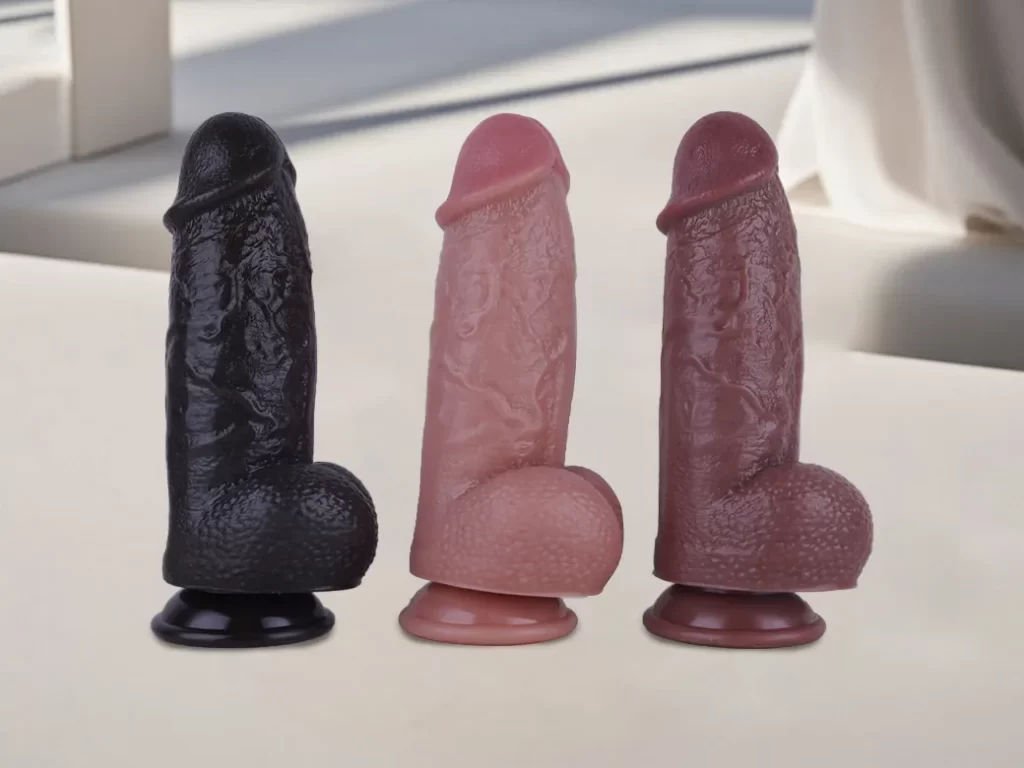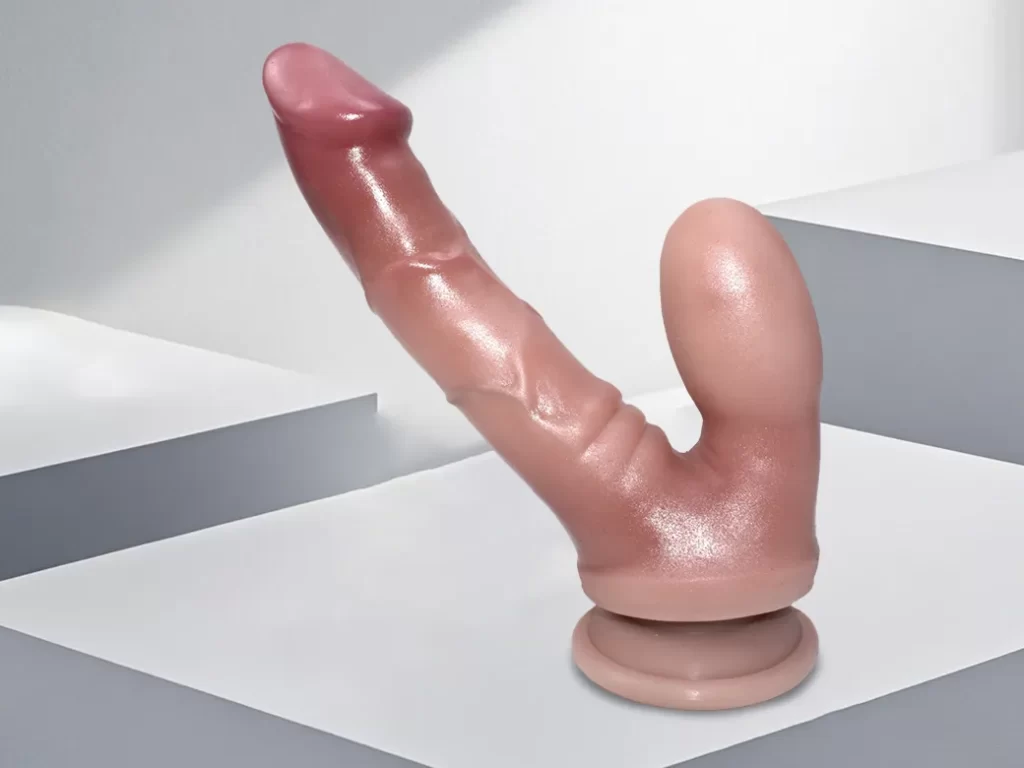

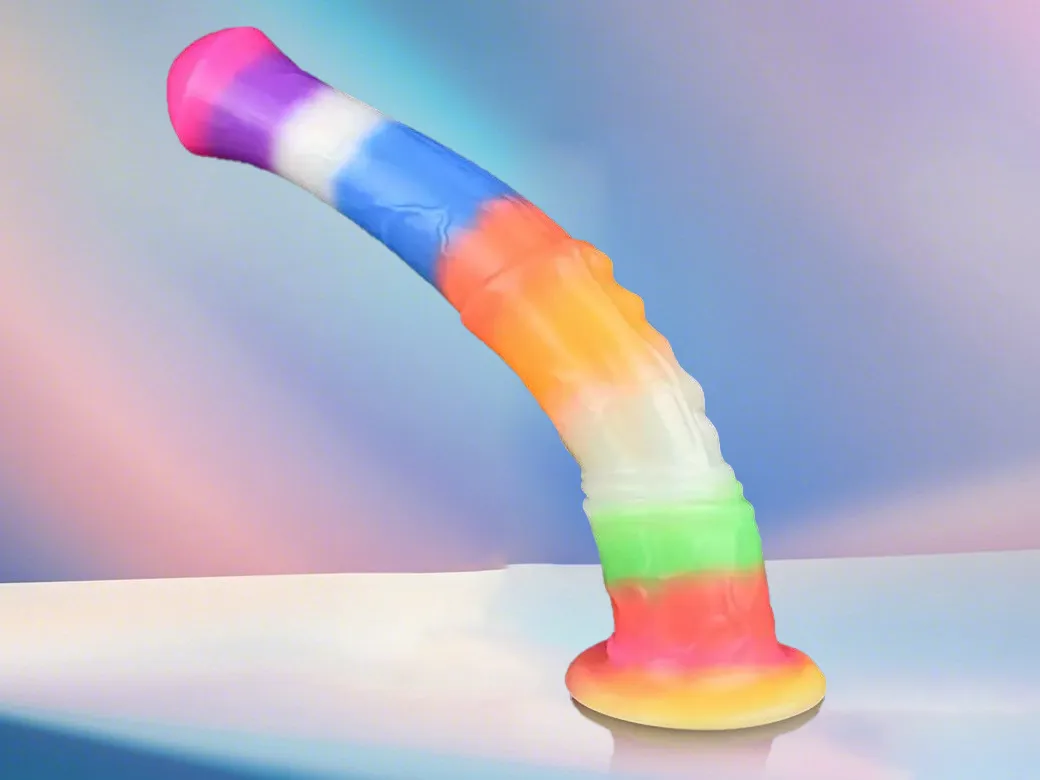
If you have an IUD and want to use a dildo, the practical concern is usually whether penetration could catch the IUD strings or cause discomfort. An IUD sits inside the uterus, while a dildo is inserted into the vagina; the thin strings extend through the cervix into the upper vagina. Gentle vaginal use would not normally touch the IUD itself, but no general article can confirm the position of an individual device or replace the instructions from the clinician who placed it.
Do not tug on IUD strings, push through pain, or use a dildo to check whether an IUD is in place. If the IUD was recently inserted, follow the aftercare advice you were given and ask your clinician when vaginal insertion is appropriate for you.
Where the IUD, strings, and dildo are
Understanding the basic layout helps separate a common worry from a reason to seek care. The IUD is placed in the uterus. Its removal strings pass through the cervix and rest in the upper vagina, where they may sometimes be felt.
Simple text anatomy guide
Uterus
│ IUD sits here
│
Cervix — thin IUD strings pass through
│
Vagina — where a dildo is inserted
This is a simplified explanation, not a diagram of your individual anatomy or the position of your IUD.
Planned Parenthood explains that IUD strings extend through the cervix into the vagina and cautions against tugging on them because pulling could move or remove the IUD. ACOG notes that strings can occasionally be felt during sex; a clinician can assess whether they need attention. See the Planned Parenthood IUD insertion and string guidance and ACOG’s information about IUD strings during sex.

What can make the experience uncomfortable?
Discomfort does not automatically mean the IUD has moved. A dildo can press against the cervix, especially with deeper insertion or a particular angle, and individual sensitivity varies. The strings may also be noticeable to a person using fingers or during penetration. If a sensation is new, sharp, or persistent, pause instead of trying to test the area again.
| What you notice | What it may mean | A sensible next step |
|---|---|---|
| A brief, mild pressure sensation | The dildo may be pressing near the cervix or contacting a sensitive area. | Pause, reduce depth, change angle, or stop if it does not feel comfortable. |
| Strings feel noticeably different from usual | String position can vary, but a change can warrant checking the IUD. | Do not pull or keep checking with a dildo; contact a clinician. |
| Hard plastic felt at the cervix or in the vagina | The IUD may be partly out of position or expelled. | Stop vaginal insertion and seek prompt clinical advice. |
| New or worsening pelvic pain, heavy bleeding, fever, or unusual discharge | These symptoms need medical assessment and cannot be diagnosed by feel alone. | Contact a healthcare professional promptly; use urgent services if symptoms are severe. |
Timing matters after IUD insertion
Aftercare advice can depend on the type of IUD, the reason it was placed, and what happened during insertion. There is no single waiting period that is right for everyone. Follow the instructions from your clinician rather than assuming that a general online timeline applies.
Use this timing check
- Just had an IUD inserted: Follow your clinician’s aftercare instructions. If they advised avoiding vaginal insertion for a period, wait that full period or ask them to clarify.
- Still having cramps, bleeding, or insertion-related discomfort: Let symptoms settle according to your clinician’s advice. Do not use penetration to “test” whether the IUD feels normal.
- IUD has been in place and you feel well: If you choose to use a dildo, start gently and stay within a comfortable depth. Stop if pain or unusual symptoms appear.
- You are unsure what your aftercare advice said: Call the clinic that placed the IUD and ask specifically about vaginal penetration and your situation.
The NHS notes that movement or expulsion is more likely in the first months after fitting, and advises checking with a clinician if threads cannot be felt or feel different. See its IUD side-effect and warning-sign guidance.
Lower-pressure ways to use a dildo
If you have been cleared for vaginal insertion and feel comfortable, choose a setup that gives you control. A shorter insertable length may be easier to manage than a long design; flexible positioning can also help you decide how deep to go. Check insertable length rather than total length, and compare dimensions in the dildo size guide.
- Begin with shallow insertion and slow movement.
- Use a grip or handle that lets you stop immediately and adjust the angle.
- Choose a comfortable amount of compatible lubricant; friction should not be ignored.
- Avoid deliberately contacting, hooking, or pulling at the strings.
- Pause if you feel a sharp sensation, cramping that is unusual for you, or pain that persists after stopping.
Lubricant can improve comfort, but it cannot confirm IUD placement or prevent every type of irritation. Follow the dildo maker’s material instructions and the clinician’s advice. If you are sharing a dildo, clean it between users or use a new condom as appropriate; our guide explains when a condom on a dildo may be useful.

When to stop and contact a clinician
Stop using the dildo and ask a healthcare professional for advice if you notice a change in the strings, feel hard plastic, have pain or bleeding during penetration, or suspect the IUD has moved or come out. Do not try to reposition the device or pull it out yourself.
Planned Parenthood and the NHS both list changed or missing strings, feeling the hard plastic portion, pain, and bleeding among reasons to contact a clinician. A clinician may need to check the IUD; strings alone cannot confirm its exact position.
Questions you can ask at an appointment
A short script can make the conversation easier
“I have an IUD and want to use a dildo vaginally. Based on when it was placed and my symptoms, is there any reason I should wait? What changes in the strings or symptoms should make me stop and call you?”
- Ask whether your insertion or follow-up instructions include a specific waiting period.
- Ask what to do if you cannot feel the strings or they seem different.
- Ask whether your current cramps or bleeding affect vaginal insertion.
- Ask which symptoms need a same-day call or urgent evaluation.
You do not need to provide more detail than you are comfortable sharing. “Vaginal penetration with a dildo” is enough to make the question clear.
Frequently asked questions
Can a dildo reach an IUD?
An IUD is placed in the uterus, beyond the cervix. A dildo is inserted into the vagina and does not ordinarily enter the uterus. The strings do extend into the upper vagina, so do not tug on them or push through pain.
Can a dildo pull IUD strings?
Strings can sometimes be felt, but you should not deliberately catch, pull, or use them to test placement. If you think the strings were pulled or they feel different afterward, stop and contact your clinician.
Should I wait after IUD insertion before using a dildo?
Follow the aftercare directions from the clinician who placed it. Timing can depend on your individual situation; if the instructions are unclear, call the clinic before inserting anything vaginally.
What if I feel the IUD strings during use?
Stop if it is uncomfortable. Do not pull on them. If a partner or dildo repeatedly catches the strings, or they cause irritation, ask a clinician to check them; do not trim them yourself.
Does a condom on the dildo protect the IUD?
No. A condom may help with hygiene or cleanup, but it does not hold an IUD in place or confirm that it is positioned correctly.
Can I check my IUD strings with a dildo?
No. A dildo is not a checking tool. If your clinician has shown you how to check the strings, use only the method they explained, and do not tug. Contact them if the strings are missing or feel different.
Comfort is the signal to follow
For many people with an established IUD, using a dildo is a question of comfort and following personal aftercare instructions. Keep the IUD strings out of your play, control depth and pace, and stop when something feels wrong. If the device was recently inserted or your strings, pain, or bleeding have changed, let a clinician check the situation rather than trying to solve it through repeated self-testing.