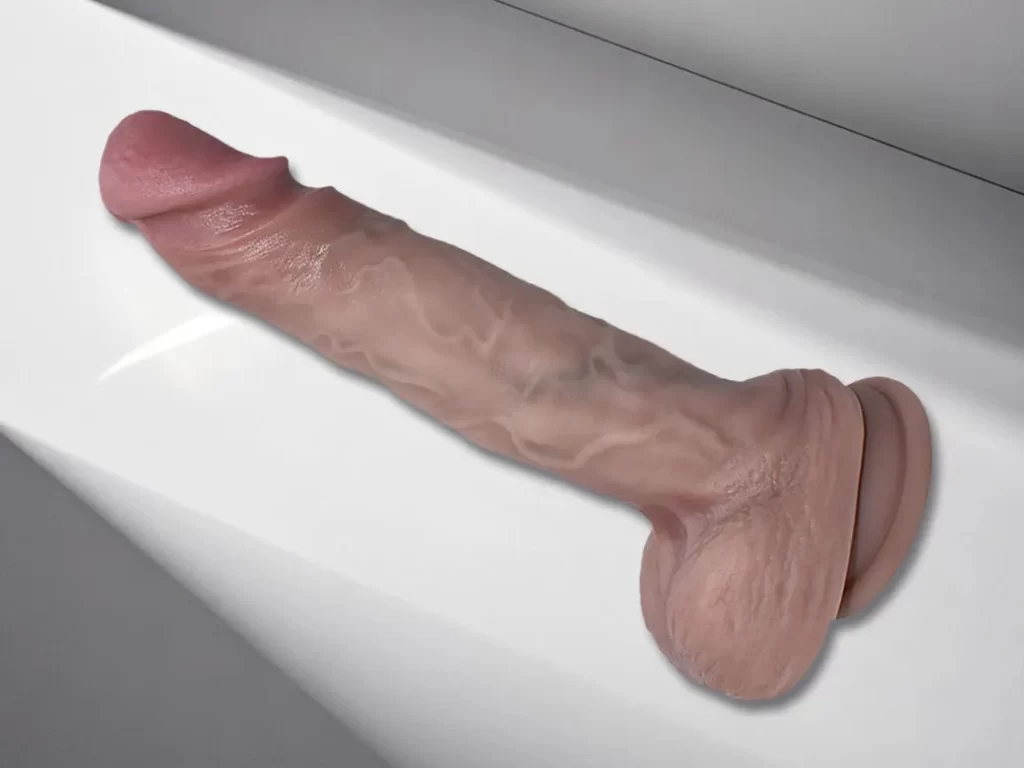

A urinary tract infection (UTI) can appear after sexual activity, which may make a dildo seem like the obvious cause. The timing alone cannot prove that. UTIs are usually caused by bacteria entering the urinary tract; sexual activity can be one way bacteria reach the urethra, and a contaminated or shared dildo may contribute to transfer. Using a clean dildo does not automatically cause a UTI, and many other factors can be involved.
The practical approach is to reduce avoidable bacterial transfer, notice symptoms, and get medical advice instead of trying to diagnose the cause from timing alone.
How a dildo could be part of the picture
The urinary opening is separate from the vagina, but it is nearby. During sexual activity, bacteria from the genital or anal area can be moved toward the urethra. A dildo can be one surface in that process, especially if it is shared, not cleaned between uses, or used first anally and then vaginally without washing or changing its barrier.
Planned Parenthood explains that bacteria can reach the urethra during sexual activity and that fingers or sex toys can carry bacteria between areas. It also notes that UTI-like symptoms may have causes other than a UTI. Read its UTI causes and symptoms overview for more detail.
This is about a possible route of transfer, not about assigning blame. UTIs can happen even when someone follows careful hygiene, and a person may not be able to identify exactly when or how bacteria entered the urinary tract.
Risk moments: what changes the hygiene picture?
| Situation | Why it matters | Lower-transfer habit |
|---|---|---|
| Dildo moves from anus to vagina | Anal-area bacteria can be carried toward the urinary and genital openings. | Wash the dildo thoroughly as directed or replace its condom before changing areas. |
| Dildo is shared between people | Body fluids and bacteria may remain on the surface. | Clean it between users or use a new condom for each person. |
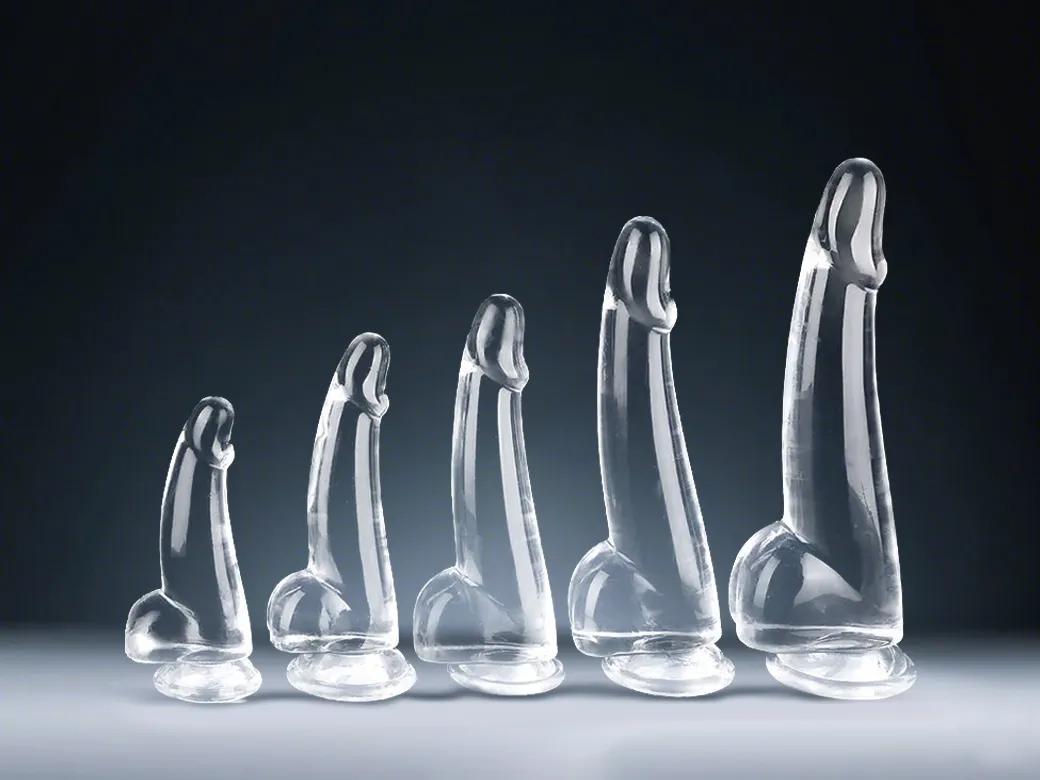
| Dildo has grooves, seams, or a porous/unknown material | Some designs take more care to clean fully, and some materials may retain residue. | Follow the care label and allow the surface to dry fully before storage. |
| Friction or irritation occurs | Irritation can cause burning or soreness that may resemble infection symptoms. | Pause, use compatible lubricant, and seek advice if symptoms persist or worsen. |
A before, during, and after routine
Before
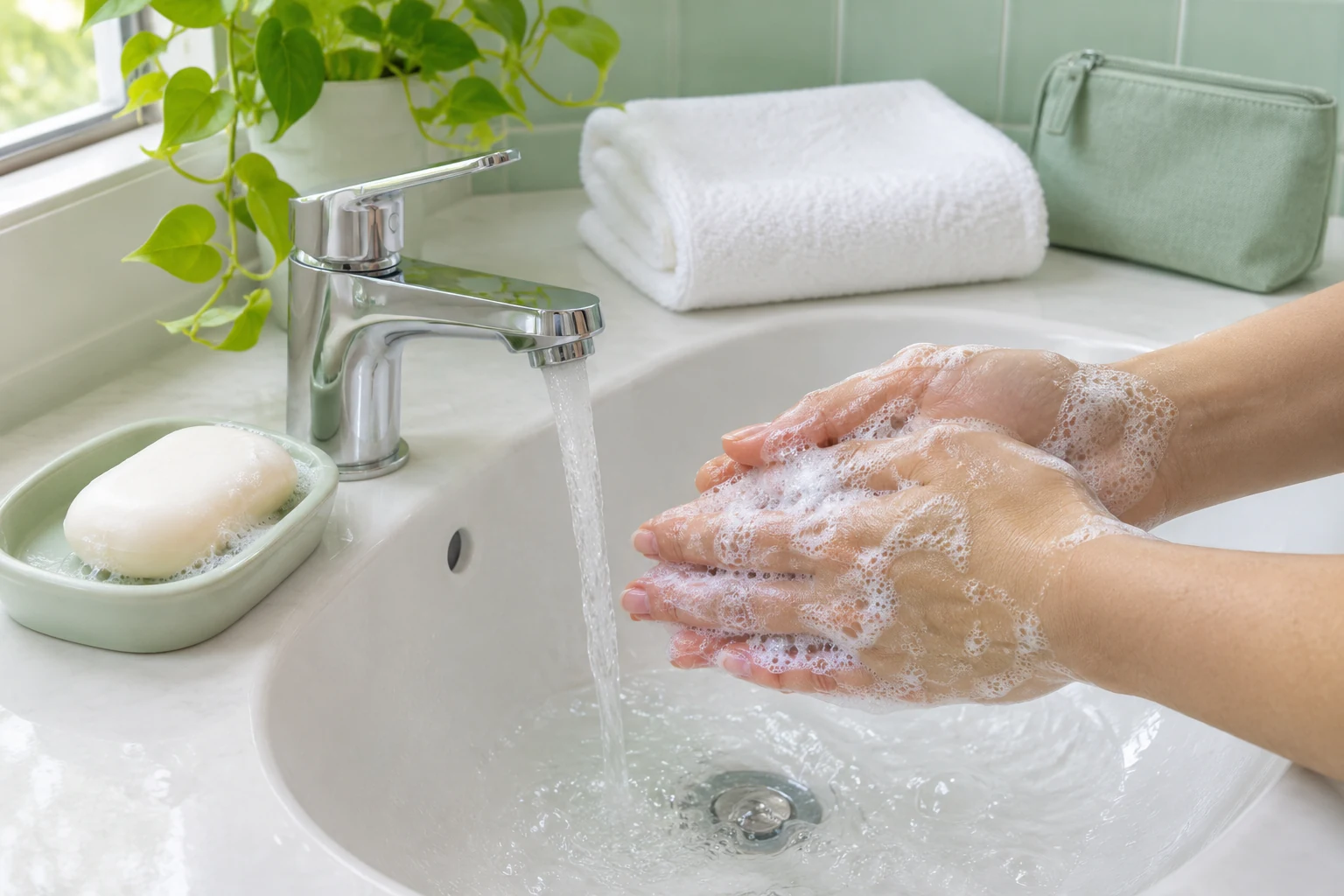
- Wash your hands.
- Check the dildo for cracks, sticky areas, peeling, or residue; do not use a damaged surface.
- Clean the dildo as directed for its material. See how to clean a dildo by material.
- If you plan to share it or change body areas, have a new condom ready and make a plan to wash between uses.
During
- Use enough lubricant to reduce uncomfortable friction; make sure it is compatible with the dildo’s material. Compare water-based and silicone lubricant and follow the manufacturer’s guidance.
- Do not move a dildo directly from anal use to vaginal use without washing it or changing the condom.
- Stop if you feel pain, strong burning, or unusual irritation.
After
- Wash the dildo and let it dry fully before storing it.
- Wash your hands and clean the external genital area gently; do not douche or put soap inside the vagina.
- Urinating after sexual activity is commonly recommended as a hygiene habit, but it is not a guarantee against UTIs.
If the dildo is shared, a condom can make cleaning easier, but it does not replace cleaning. Our guide covers when to use a condom on a dildo.
UTI symptoms versus irritation
Burning can come from a UTI, but it can also follow friction or irritation from a lubricant, soap, or another condition. A clinician can evaluate symptoms and determine whether testing or treatment is needed. Do not assume a dildo caused an infection or try to treat a suspected UTI with leftover antibiotics.
Symptoms that warrant medical advice
- Burning or pain when urinating
- A frequent or urgent need to urinate, even when little urine passes
- Lower abdominal discomfort
- Cloudy or bloody urine
These can be signs of a bladder infection, but they are not enough to confirm one. NIDDK advises contacting a healthcare professional if you have bladder infection symptoms. Its symptom and cause guide lists signs that may need prompt attention.
Seek urgent medical help for fever or chills, nausea or vomiting, or pain in your back, side, or groin, especially alongside urinary symptoms; these may indicate a kidney infection.
When hygiene habits are not the whole answer
Some people get UTIs repeatedly even when they clean carefully. Sexual activity can be a trigger for some, while other health or anatomical factors can also affect risk. If symptoms recur, discuss the pattern with a clinician rather than repeatedly changing soaps or using stronger disinfectants on a dildo.
A clinician may ask when symptoms start, whether they happen after sexual activity, and whether urine testing has confirmed a UTI. Keeping a simple symptom diary can help you describe the pattern. Bring the dildo’s material and care instructions if you suspect a cleaning product or lubricant is irritating you.
Common mistakes to avoid
- Assuming timing proves the cause: a symptom appearing after dildo use does not establish that the dildo caused it.
- Using one condom for multiple people or body areas: change it when switching users or moving from anal to vaginal contact.
- Using harsh cleaners: bleach, alcohol, scented sprays, and abrasive products may damage materials or irritate sensitive tissue. Follow the product instructions.
- Ignoring recurring symptoms: repeated burning or urgency deserves medical assessment rather than repeated self-treatment.
- Confusing vaginal cleansing with hygiene: avoid douching and internal soap; clean the external area gently.
Frequently asked questions
Can a clean dildo still be followed by a UTI?
Yes. A UTI can occur for reasons unrelated to a dildo, and cleaning cannot eliminate every risk. If symptoms develop, contact a healthcare professional instead of assuming the cause.
Can moving a dildo from the anus to the vagina cause a UTI?
It can increase the chance of transferring bacteria toward the urethra. Wash the dildo thoroughly as directed or change to a new condom before moving between areas.
Does urinating after using a dildo prevent UTIs?
Urinating after sexual activity is a commonly recommended hygiene habit, but it does not guarantee prevention and does not treat an existing infection.
Can lubricant cause UTI-like burning?
Some people experience irritation from friction or a product ingredient, and burning can have several causes. Stop using a formula that seems to irritate you and ask a clinician if symptoms persist, recur, or include urinary urgency or pain.
Should I stop using a dildo if I have UTI symptoms?
Pause vaginal insertion if it is uncomfortable or worsens symptoms, and seek medical advice. A clinician can help determine whether the symptoms are due to a UTI or another cause.
Can a condom replace cleaning a dildo?
No. A condom can act as a barrier, but the dildo should still be cleaned according to its material instructions, especially before another person uses it or before changing body areas.
Take symptoms seriously without assuming the cause
A dildo can be one possible route for bacterial transfer, particularly if it is shared or moved between body areas without cleaning. It is not the only cause of a UTI, and symptoms that appear afterward do not prove where the infection began. Use practical hygiene steps, avoid harsh products, and seek medical advice for burning, urgency, blood in urine, fever, or recurrent symptoms.