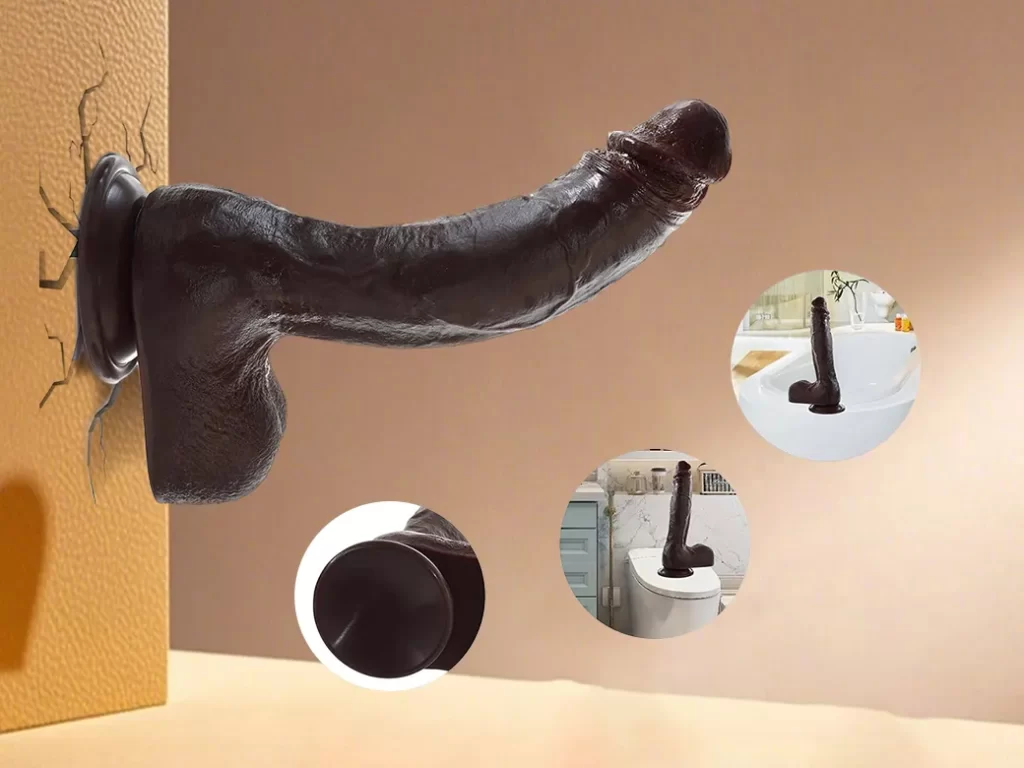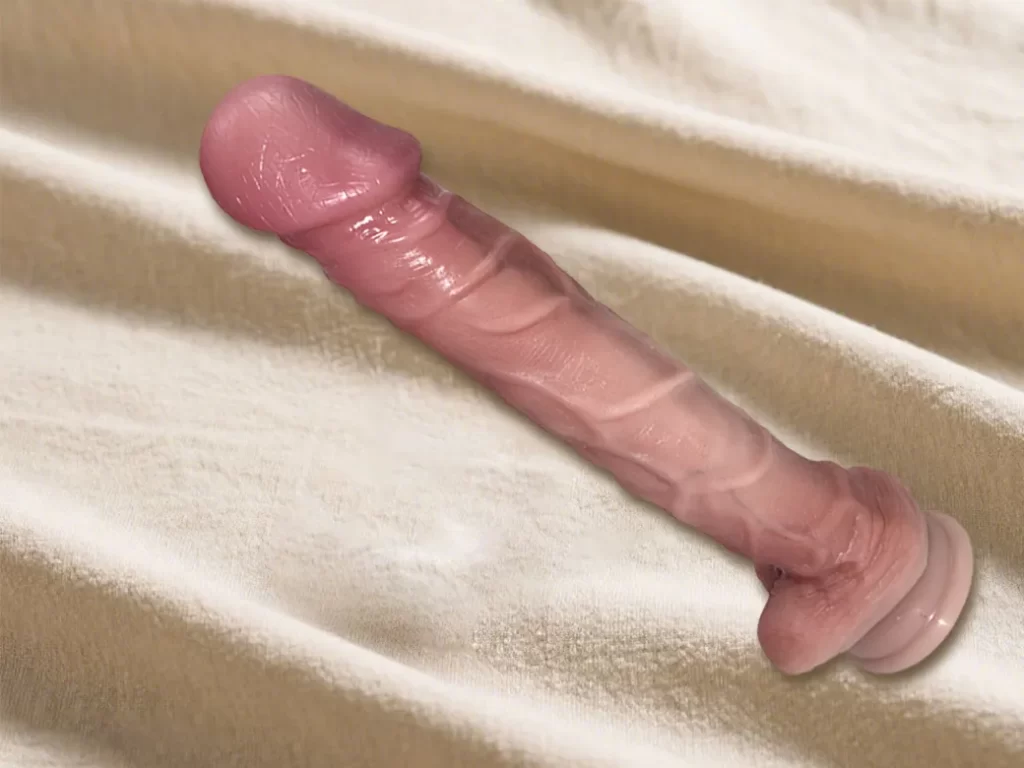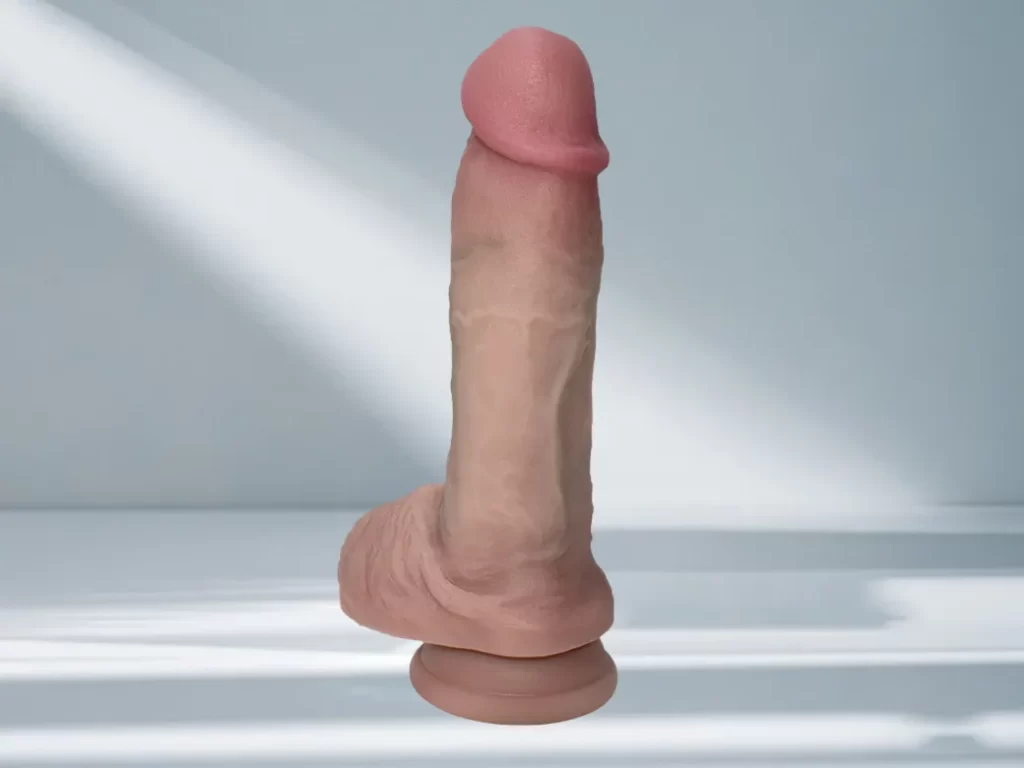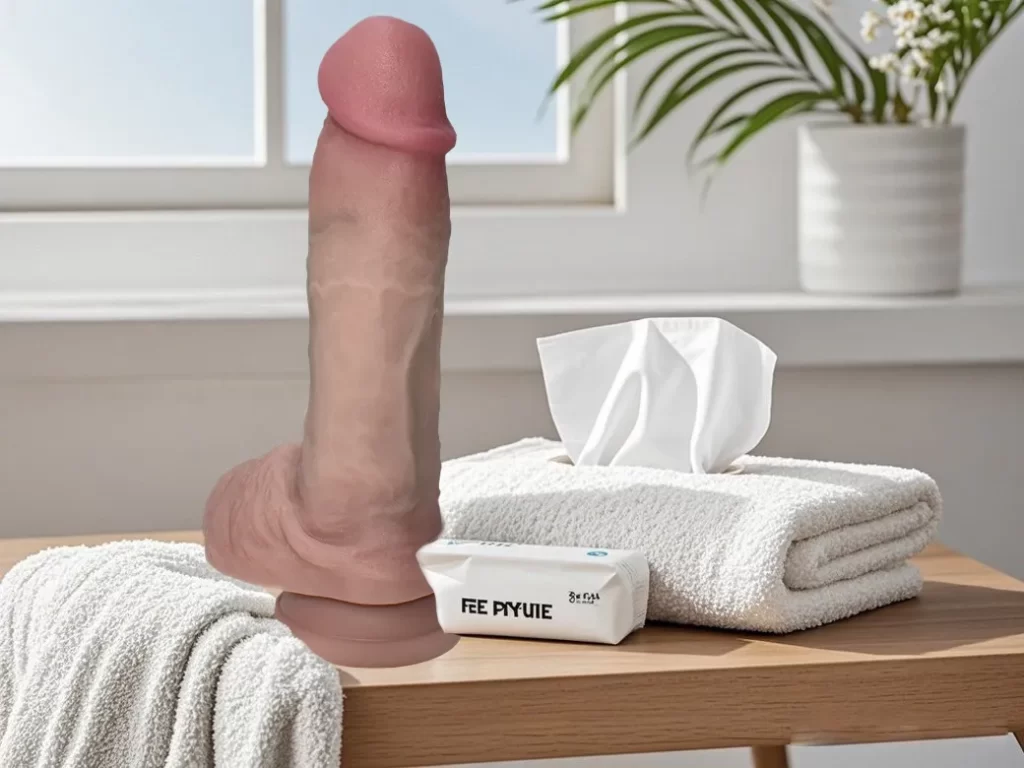


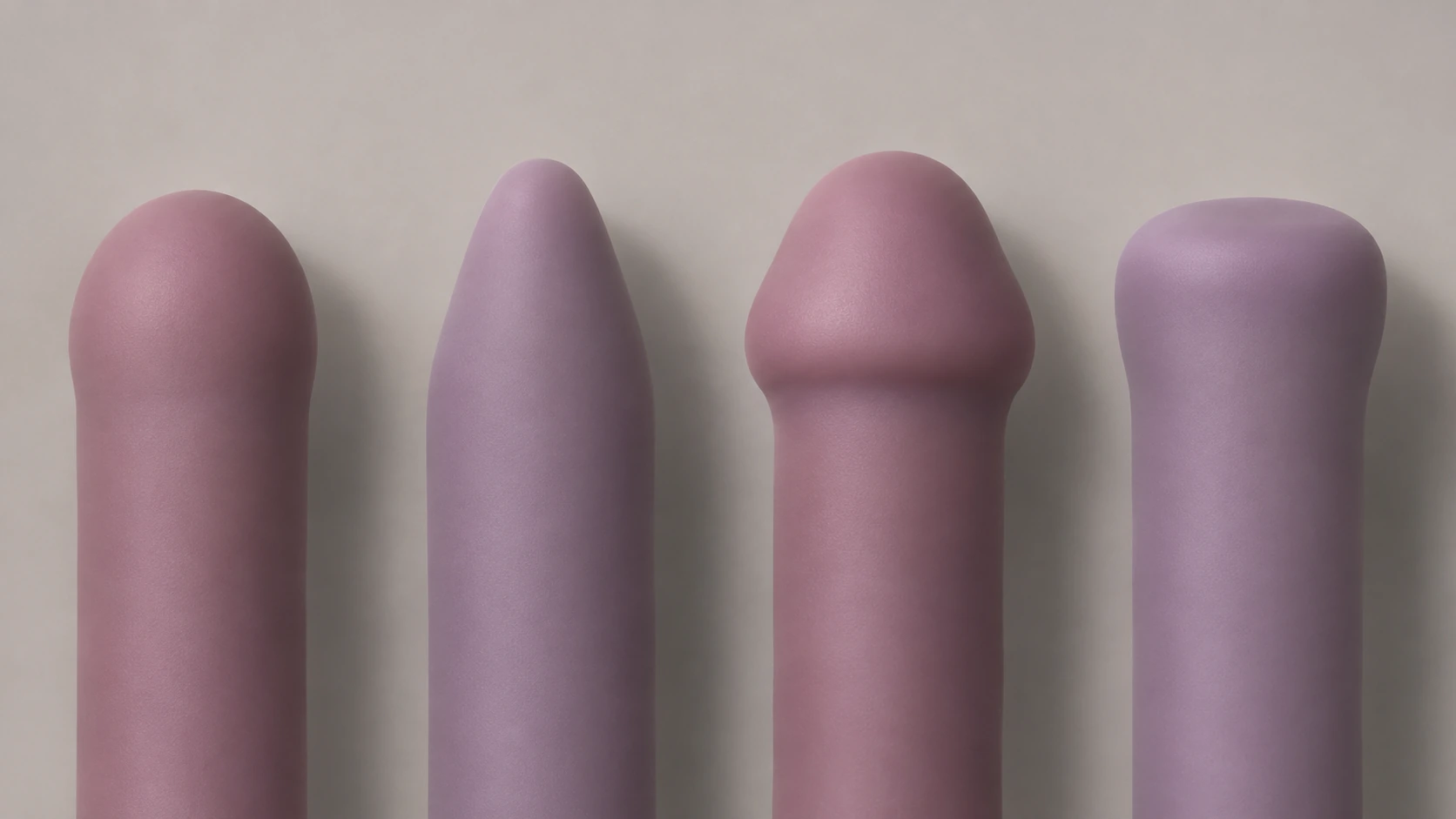
Read the tip as a profile, not a label
Product terms are not standardized. “Rounded” might describe only the very end; “tapered” may refer to the head or to a longer section of the shaft; “pronounced” is often used for a head that stands wider than the neck below it. A listing photo gives clues, but a side view and measurements at more than one point tell you more than the label alone.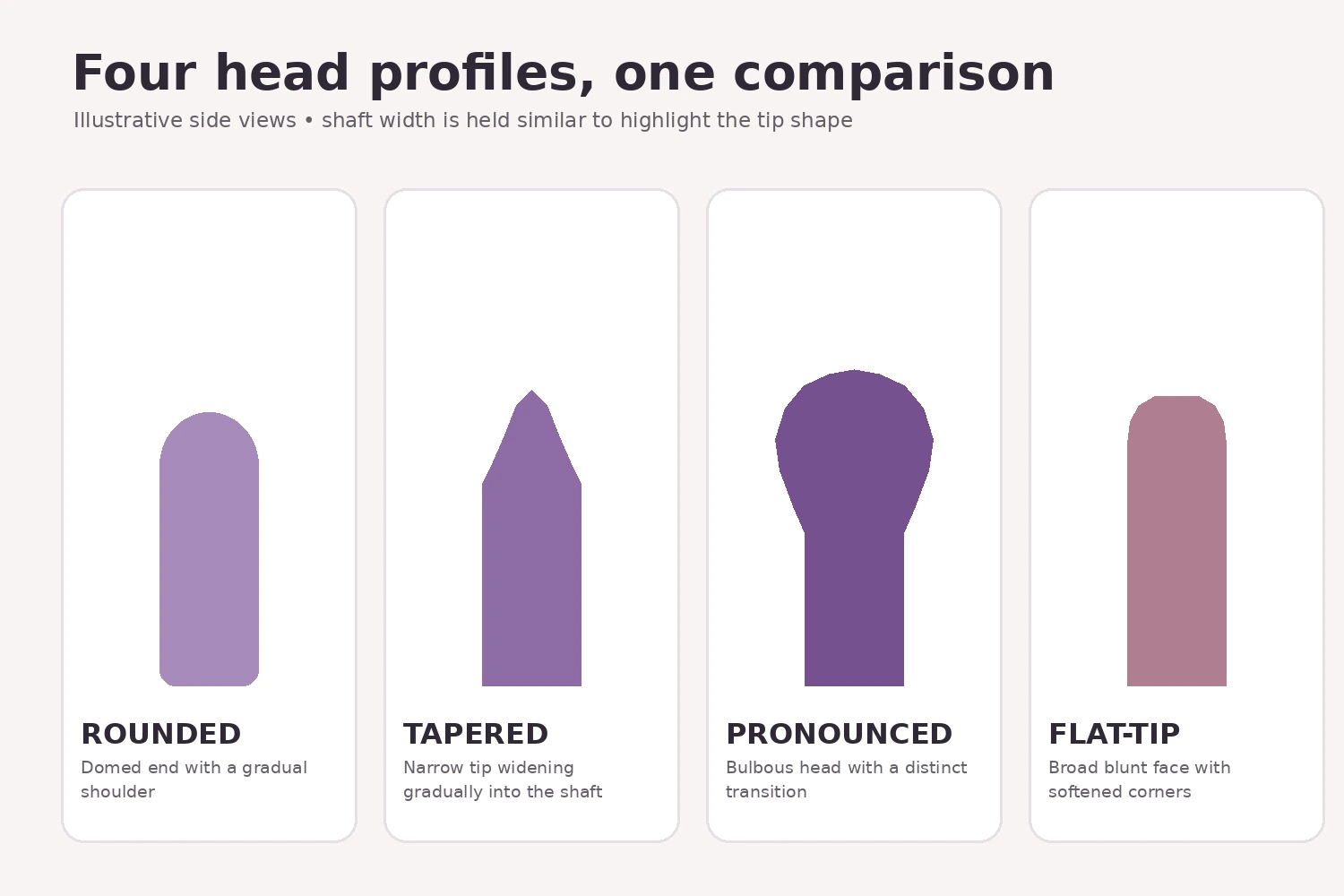
Four head shapes and what to look for
01 / ROUNDED
A dome with a soft outline
The tip curves into the upper shaft without a narrow point or a sharp shoulder. Check whether the dome stays close to the shaft width or broadens noticeably near the end.
Look for: a smooth curve and the width at the widest part of the head.
02 / TAPERED
A gradual lead-in
The head begins narrower and widens toward the shaft. Some dildos taper only at the first part of the tip; others continue widening along much of the shaft. A taper can help you see the direction of the profile, but it does not make a large shaft small.
Look for: how quickly the tip widens and where the shaft reaches its full diameter.
03 / PRONOUNCED
A head wider than its neck
A bulbous or glans-style head has a visible flare or shoulder before the shaft narrows below it. That transition can be a prominent design detail. The head’s maximum width may be the key measurement, even if the shaft looks slimmer.
Look for: head width, neck width and how abrupt the step between them appears.
04 / FLAT-TIP
A blunt face with softened edges
A flat-tip or blunt design ends in a broader face rather than a point or high dome. Good product photos should show whether the edges are rounded and how wide the face is. “Flat” does not mean sharp-edged.
Look for: the end-face width, rounded corners and whether the tip is wider than the shaft.
The transition may matter more than the name
When comparing two listings, trace the outline from the very tip down to the main shaft. A narrow tip that expands gradually creates a different profile from a bulbous head that suddenly meets a slimmer neck. The word “rounded” alone does not tell you where the widest point sits.
Measurement shortcut: compare the tip or head width, the width just below the head, and the widest insertable shaft point. If a listing provides only one diameter, it may describe the maximum rather than the entire profile.
For more on how a taper changes the overall shaft profile, read tapered vs. uniform-width dildos. Our dildo size guide explains insertable length, diameter and girth measurements.
Pick the profile that matches what you notice
- You want a continuous outline: compare rounded tips and check that the head does not flare much wider than the shaft.
- You prefer a narrow starting point: look at tapered tips, then check how quickly the shaft broadens behind them.
- You like a defined head-to-neck change: compare pronounced heads and read the head’s maximum width, not only the shaft diameter.
- You prefer a blunt, broad end: look for flat-tip designs with softened edges and clear side-view photos.
These are visual and design preferences, not guarantees about comfort or sensation. Head shape interacts with diameter, firmness, flexibility and your own preferences. If control and softness are both priorities, our guide to soft vs. firm dildos covers how construction changes the feel and handling.
How to compare product photos before buying
Side view: reveals the taper, dome, shoulder or blunt face.
Front or end view: helps show whether the head is round, oval or broad across one axis.
Measurement notes: check whether the listed width refers to the head, shaft or widest insertable point.
Material and firmness: a soft head may compress more than a firmer one; visual shape alone cannot tell you how much it yields.
Actual product photos: use close-ups where available, and do not judge the tip only from a cropped hero image.
For examples of realistic forms and more sculpted profiles, explore realistic dildos or G-spot dildos. Those categories include a range of shapes, so compare each listing’s close-up photos and measurements rather than assuming every item shares the same head design.
Comfort considerations for any head shape
A head that looks small in a photograph can still be broad at its widest point, and a gradual taper does not erase the diameter behind it. Start with a size and shape that feel manageable to you, use compatible lubricant, move at a comfortable pace and stop if you feel pain or irritation. If the head repeatedly feels difficult to align, consider a narrower or more gradual profile instead of pushing through discomfort.
If you are choosing a first dildo, the site’s first-dildo selection guide covers broader considerations such as size, material and use.
Quick questions about dildo head shapes
Is a tapered dildo head easier to insert?
A narrower leading tip may make the profile easier to align for some people, but comfort also depends on the shaft diameter, firmness, lubrication and individual preference. A taper does not guarantee that the full dildo will feel comfortable.
Does a pronounced head mean the dildo is larger?
Not necessarily. The head may be wider than the shaft while the rest of the dildo remains narrower. Compare head width and shaft measurements separately.
What is a flat-tip dildo?
It has a blunt end profile rather than a pointed tip or rounded dome. The edge should be designed with a smooth finish; check close-up product photos and the maker’s description.
Which head shape is best for a beginner?
There is no universal best shape. Many people start by choosing a manageable diameter and a profile they feel comfortable handling, then consider whether they prefer a taper, dome or more defined head.
Use the measurements to confirm the shape
Choose by the outline you prefer, then verify the head width, shaft width and firmness in the listing. A shape label is only a starting clue; the transition from tip to shaft and the location of the widest point tell you what the design actually looks like.