
Before the First Use: Keep the Packaging Nearby
A new dildo can look ready as soon as it comes out of the box, but take a few minutes to check the details before using it. Confirm that you received the right design, read its care instructions, inspect the full surface, and clean it using the method approved for its material and construction.
If you notice damage or a mismatch, photograph it before use and contact the seller. This gives you a clear record of the condition as it arrived and helps you avoid guessing whether a mark appeared later.
First-use order: Document → identify → inspect → clean → dry → prepare compatible lubricant → use only as intended.
The First-Use Checklist
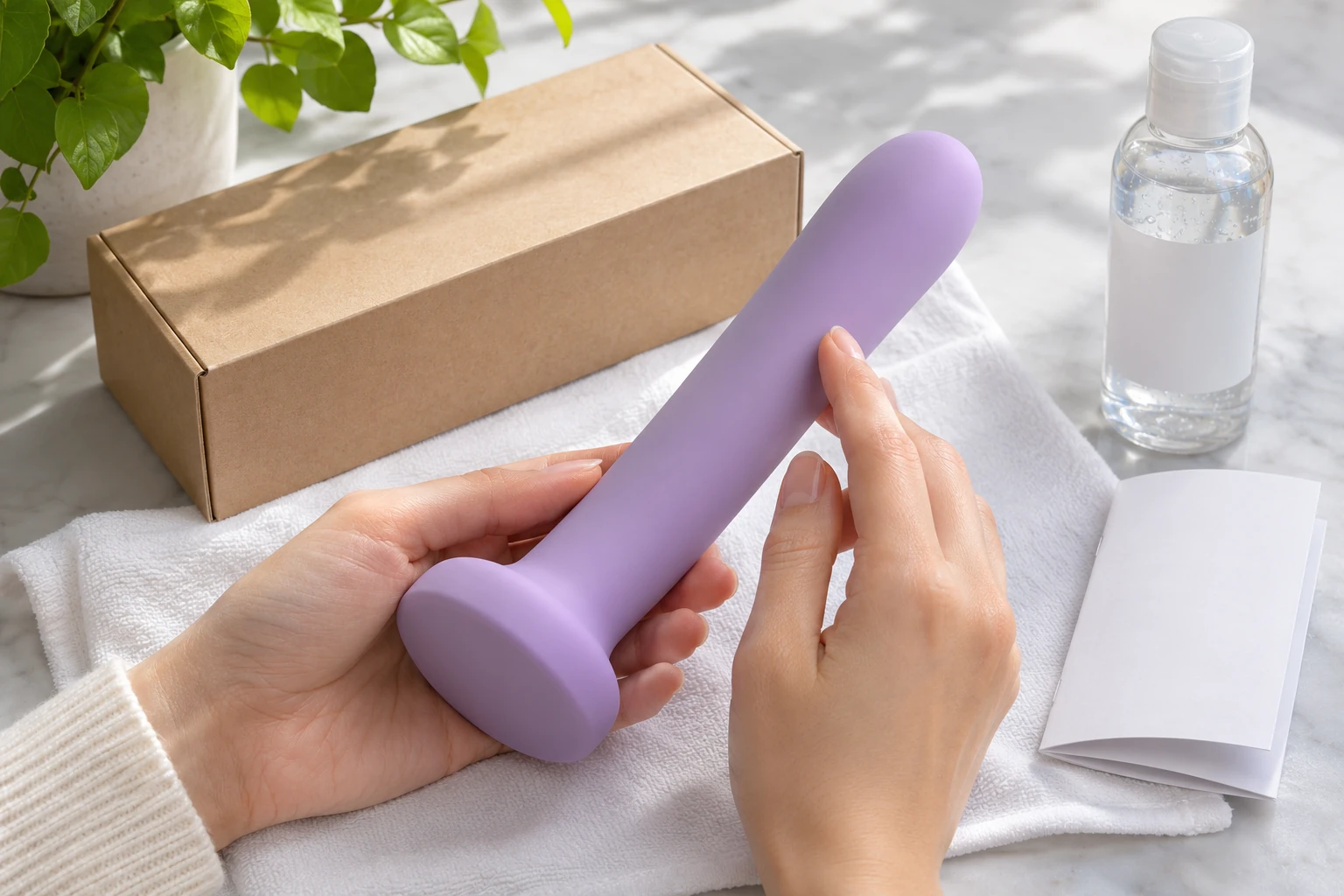
- Save the package and order details. Keep the product name, SKU, batch or lot number, and receipt handy.
- Confirm the model. Compare its size, color, base, features, and included parts with the product page.
- Read the material and care directions. Check how the dildo should be cleaned, dried, stored, and paired with lubricant.
- Inspect the whole surface. Look for cracks, tears, rough edges, peeling, open seams, or unusual residue.
- Wash it before first use. Follow the instructions for the specific material and design.
- Let it dry completely. Pay attention to textured areas, seams, and any crevices.
- Prepare compatible lubricant and a suitable setup. Check the intended use, base design, and any charging or power instructions.
This checklist is a practical starting point. The manufacturer’s directions take priority because silicone, TPE, glass, metal, and powered designs may require different care.
1. Match the Dildo to the Listing
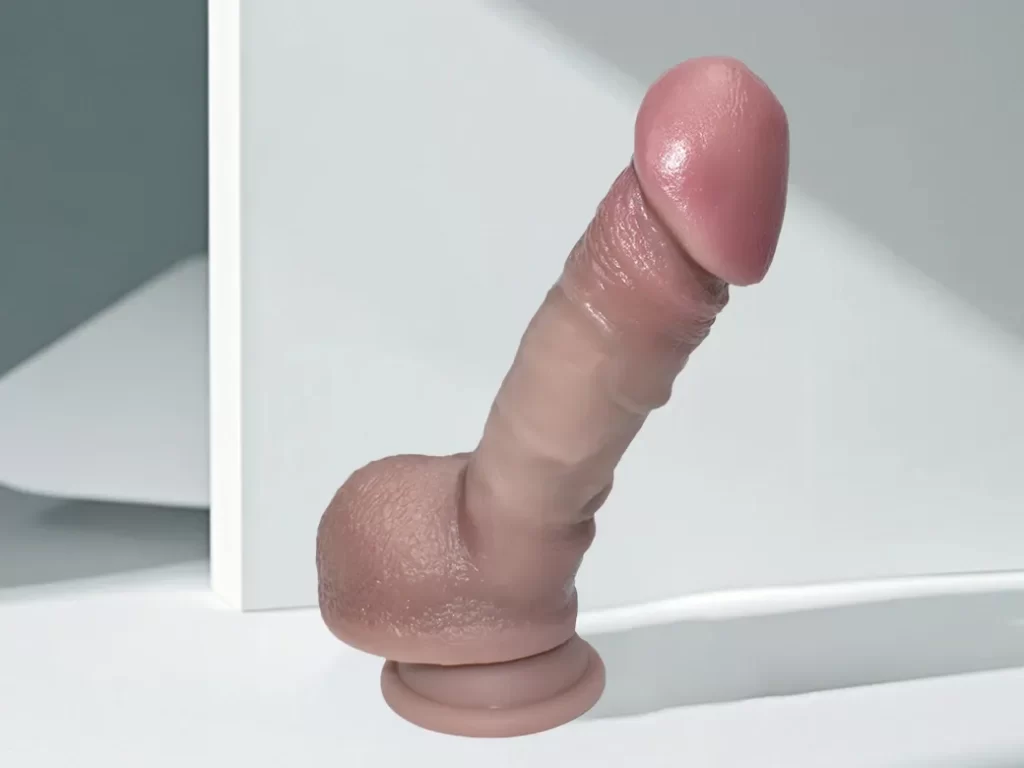
Check the package label, model name, and online listing together. Confirm the size and design you ordered, including total length versus insertable length when both are provided. Look at the base, texture, curve, color, and any detachable or powered parts.
Do not rely on a product photo alone to estimate dimensions or identify material. If the box and listing disagree, pause and ask the seller which instructions apply to your exact model. Our guide to reading dildo packaging and label claims explains how to check material, care, and product claims.
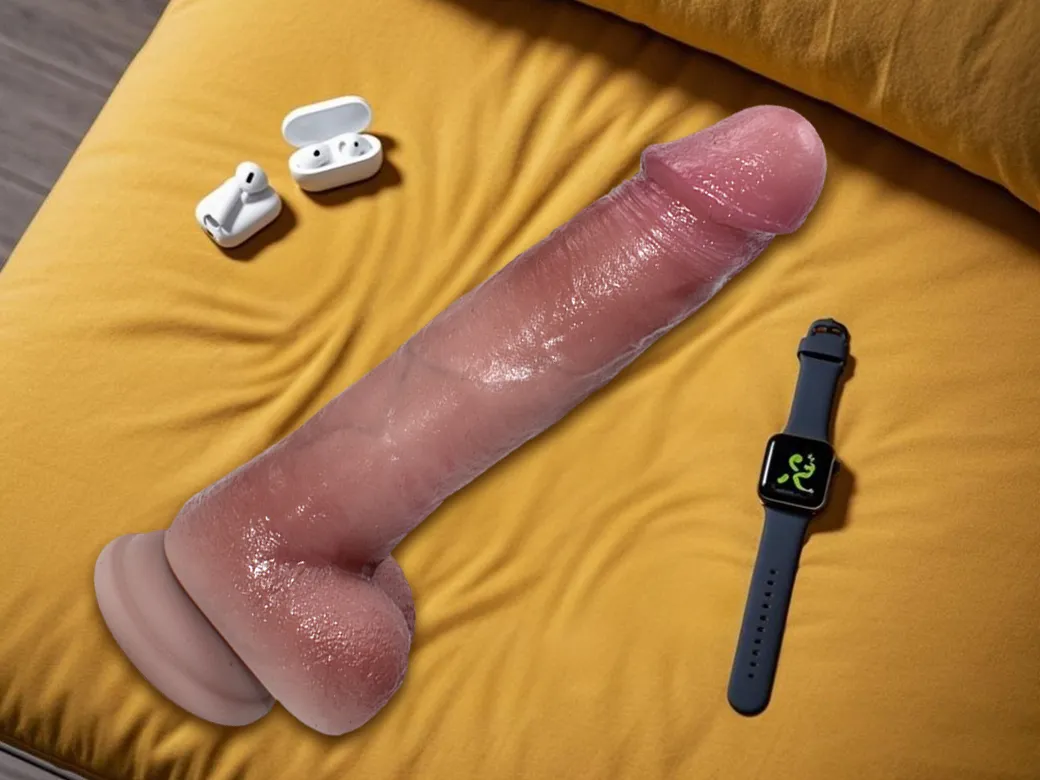
If the dildo arrived dented, flattened, or bent, take photos before trying to reshape it. A mild packaging impression may behave differently from a crack, split, or sharp crease. Follow our new dildo dent inspection guide for delivery-related marks.
2. Inspect the Surface and Construction
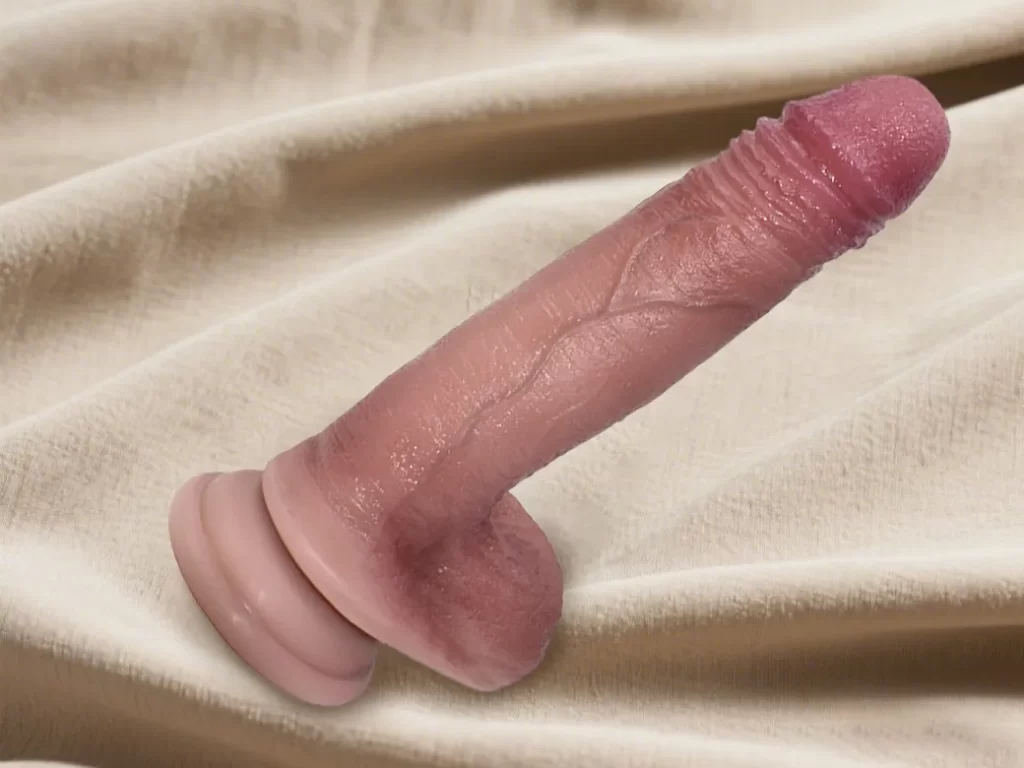
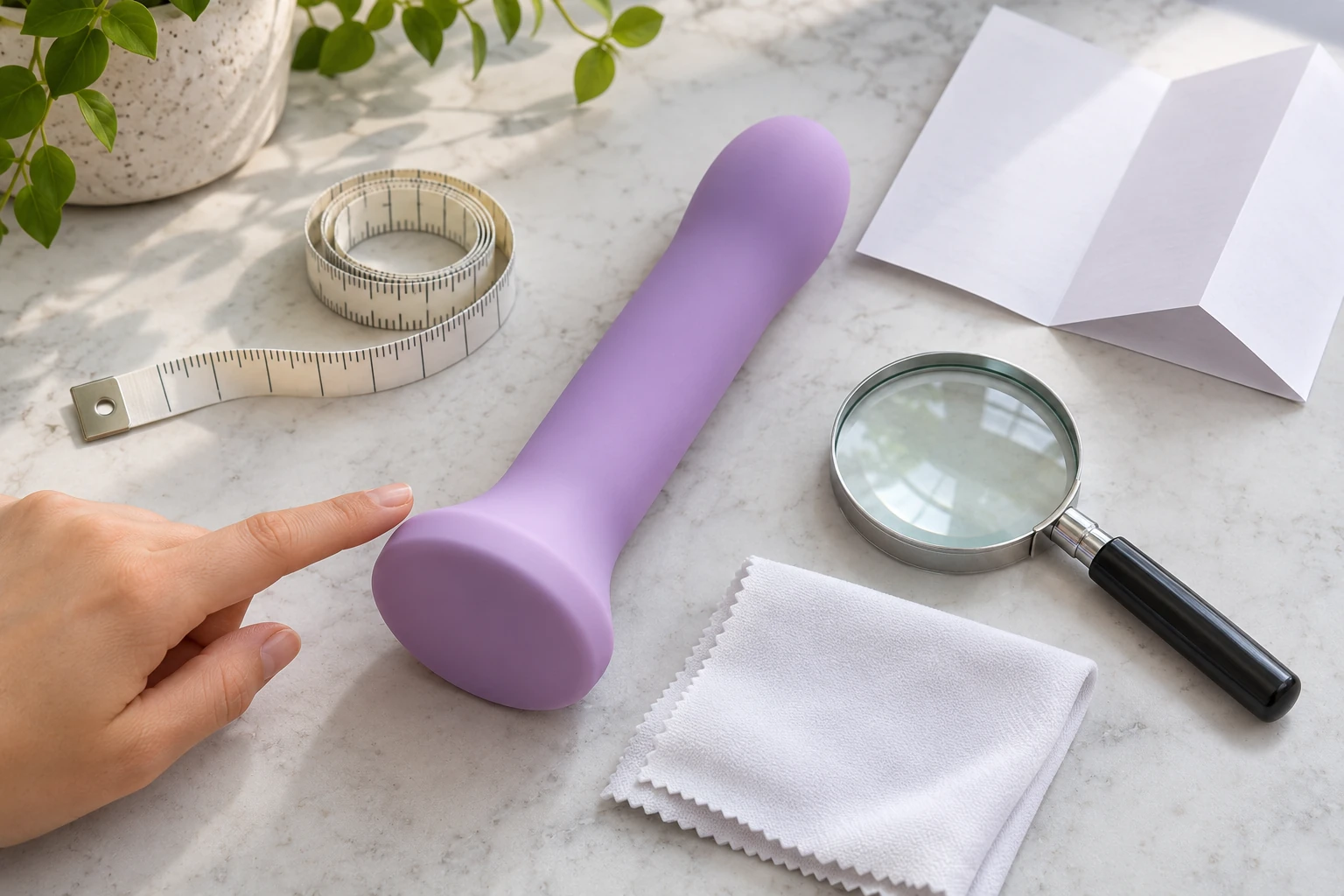
Use bright, even light and turn the dildo slowly so you can see the shaft, tip, base, seams, and any textured areas. Run a clean fingertip lightly over the surface; do not pull, sharply bend, or stretch the material to “test” it.
| Check | Look for | What to do if you find a concern |
|---|---|---|
| Surface | Cracks, cuts, tears, peeling, holes, or sharp edges | Do not use it; photograph the area and contact the seller |
| Texture | Unexpected tackiness, oily film, flaking, or a change that does not match the rest | Check the care instructions; ask the maker if it remains after approved cleaning |
| Seams and layers | Open joints, a loose outer layer, gaps, or a component that shifts | Stop inspection and request product-specific guidance |
| Glass or metal | Chips, cracks, dents, sharp edges, or damaged finish | Do not use the damaged dildo |
| Base | Instability, a split, loose connection, or a suction rim that will not sit flat | Do not rely on the base or suction feature until the seller clarifies it |
| Powered features | Loose parts, a damaged charging port, or controls that do not match the instructions | Do not charge or operate it; contact the manufacturer |
A small cosmetic variation does not automatically mean the dildo is defective. If you cannot tell whether a feature is intentional, compare it with the manufacturer’s photos and ask before use. A strong or unusual odor by itself does not identify a cause; persistent odor together with tackiness, residue, or a damaged surface is a reason to request advice.
3. Identify the Material Before Cleaning
Read the packaging or product page for the exact body-contact material. “Soft touch,” “skin-like,” or “premium” describes a quality or feel, not a precise material. Some designs combine materials, so check for an outer layer, core, coating, or electronic part.
Planned Parenthood recommends following the care instructions supplied with the specific sex toy and notes that dildos can be made from a range of materials. Its guidance also distinguishes 100% silicone from silicone blends. For more context, read our overview of body-safe materials.
Do not assume that a cleaning method suitable for a non-powered silicone dildo is suitable for every dildo. A rechargeable design may have seams or ports that should not be submerged; glass and metal require inspection for chips, cracks, or damage. When in doubt, use the manufacturer’s directions for that model.
4. Wash, Rinse, and Dry It Properly
Wash a new dildo before first use because packaging, storage, or handling may leave dust or residue on its surface. Use the cleaner and method recommended for its material. For many non-powered designs, mild soap and water may be suitable, but check the instructions before immersing or heating any item.
Rinse away cleaner if the instructions call for it, then dry the entire surface. Do not store or use the dildo while it is still damp. Textures, seams, and the area around a base can take longer to dry than a smooth shaft.
For a full routine, follow our material-by-material dildo cleaning guide. If a silicone dildo still feels unusually sticky or oily after approved cleaning, our article on possible silicone cure problems covers signs worth discussing with the manufacturer.
5. Choose Lubricant and Use the Dildo as Designed
Check lubricant compatibility before applying it. Water-based lubricant is a broadly compatible option; silicone lubricant can affect some silicone dildos, so follow both the dildo and lubricant instructions. Planned Parenthood also advises checking the specific care directions and notes this silicone-lubricant compatibility issue in its sex toy guidance.
If the dildo is intended for anal insertion, make sure it has a flared base or another secure retrieval feature, and use plenty of lubricant. Do not infer that a suction cup alone is an appropriate base for insertion. For a shared dildo, clean it between users or use a new condom for each person and body area.
For a rechargeable or vibrating dildo, review the charging and operation instructions before use. Check whether it may be used while charging, whether it can be rinsed or submerged, and how the controls work. Do not guess about water resistance from the appearance of the outer surface.
6. Set Up a Clean, Comfortable First Session
- Wash and dry your hands before handling the clean dildo.
- Keep lubricant, a clean towel, and the care instructions within reach.
- Choose a position where you can control the depth and pace.
- Start gently and pause if you feel pain, irritation, or unexpected discomfort.
- After use, clean and dry the dildo according to its instructions, then store it in a clean place away from dust and incompatible materials.
Store it in a clean pouch or case after it is completely dry. Our dildo storage guide explains how storage can protect the surface between uses.
When to Pause and Contact the Seller
Do not use a dildo that arrived with a crack, tear, peeling surface, sharp edge, loose internal part, damaged charging point, or unstable base. Photograph the issue, keep the packaging and order information, and contact the seller before cleaning or modifying it if the return policy asks you to preserve the original condition.
If the issue is a surface feel or odor rather than visible damage, first check whether the instructions identify a normal material characteristic. If the concern remains after the approved cleaning method, send photos and a description to the manufacturer. Avoid applying powder, oil, adhesive, or household cleaner to try to change the surface.
FAQ: New Dildo Checklist
Should I wash a new dildo before using it?
Yes. Follow the care directions for its material and construction. A new dildo may have collected dust or residue during packaging and handling.
Do I need to sanitize a new silicone dildo?
Use the method specified by the manufacturer. Do not boil, microwave, or use harsh cleaners unless the instructions expressly allow it for that exact design.
What should I do if a new dildo smells unusual?
Check the product’s material and care instructions first. Odor alone does not establish a defect, but a persistent strong odor together with tackiness, oily residue, or surface changes is a reason to stop and ask the seller.
Can I use a new dildo straight from the package?
Inspect and clean it first, then confirm the intended use, material, and lubricant compatibility. If you find damage or a mismatch, document it and contact the seller before use.
Should I test a suction base before first use?
Follow the manufacturer’s directions and use only a compatible, clean, smooth surface. Do not pull forcefully on the shaft or rely on suction if the base is warped, damaged, or unstable.
Ready Means Checked, Clean, and Dry
Before the first use, confirm that the dildo matches its listing, inspect the surface and base, identify the material, and follow the model’s cleaning and lubricant instructions. If anything looks damaged or the directions conflict, pause and ask the seller. A few minutes with the packaging and checklist can prevent avoidable confusion later.