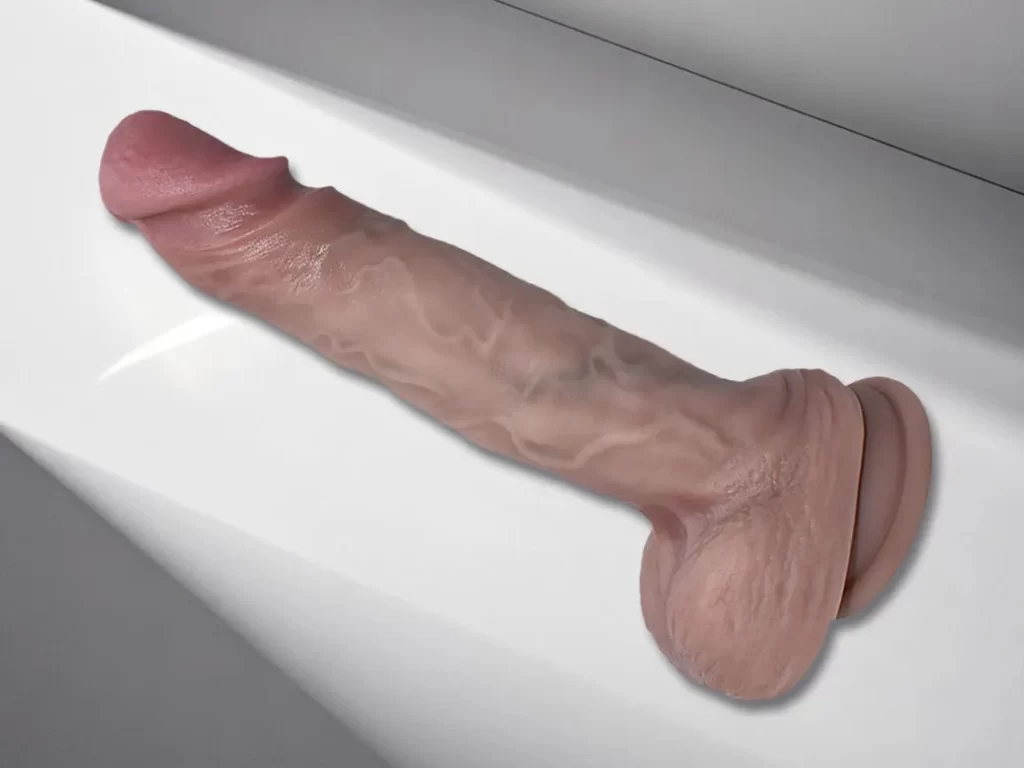

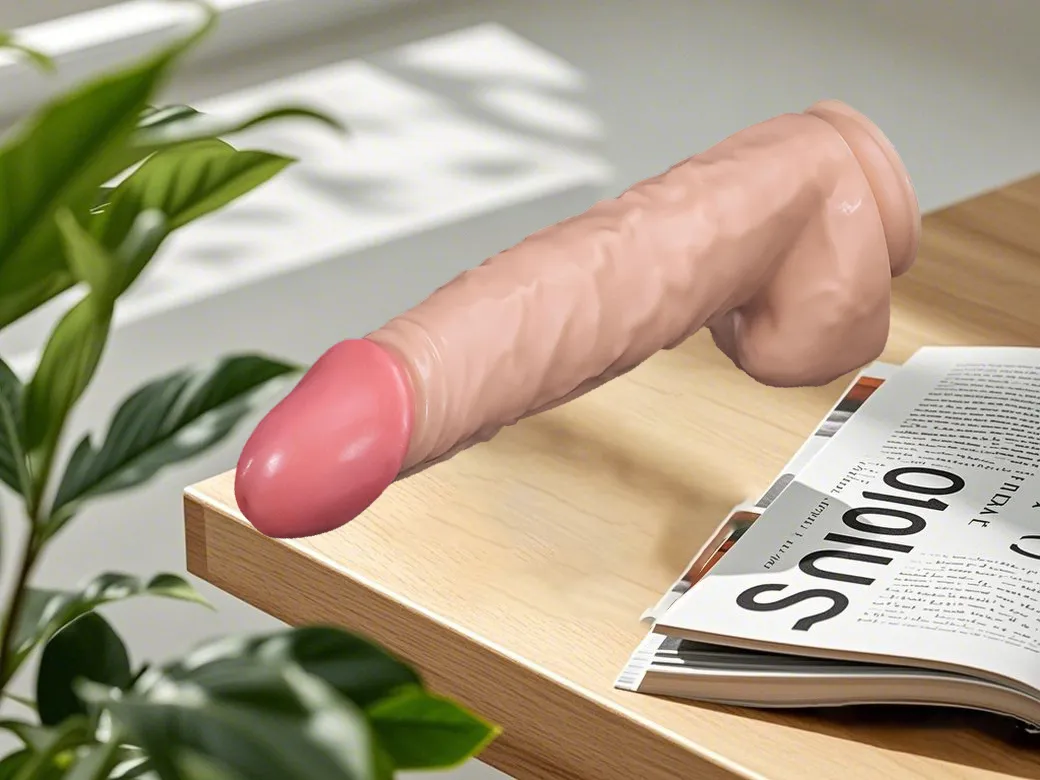
White residue on a dildo can come from something left on the surface—or from a change in the material itself. Dried lubricant, soap, mineral deposits, storage powder, fibers, and surface deterioration can look similar at first glance. The useful first clue is whether the mark rinses away and whether the surface feels normal once it is clean and fully dry.
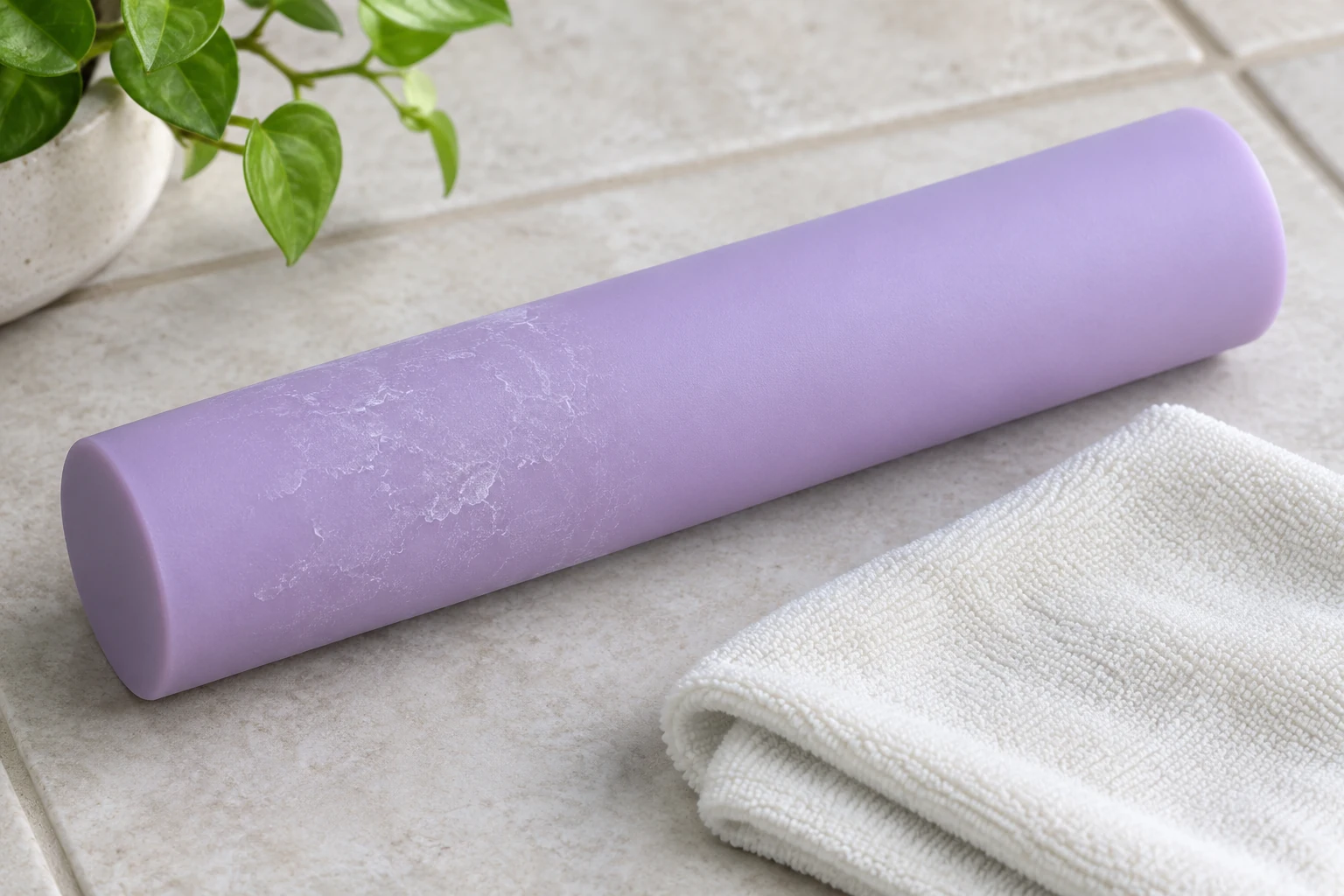
Six possible causes of white residue
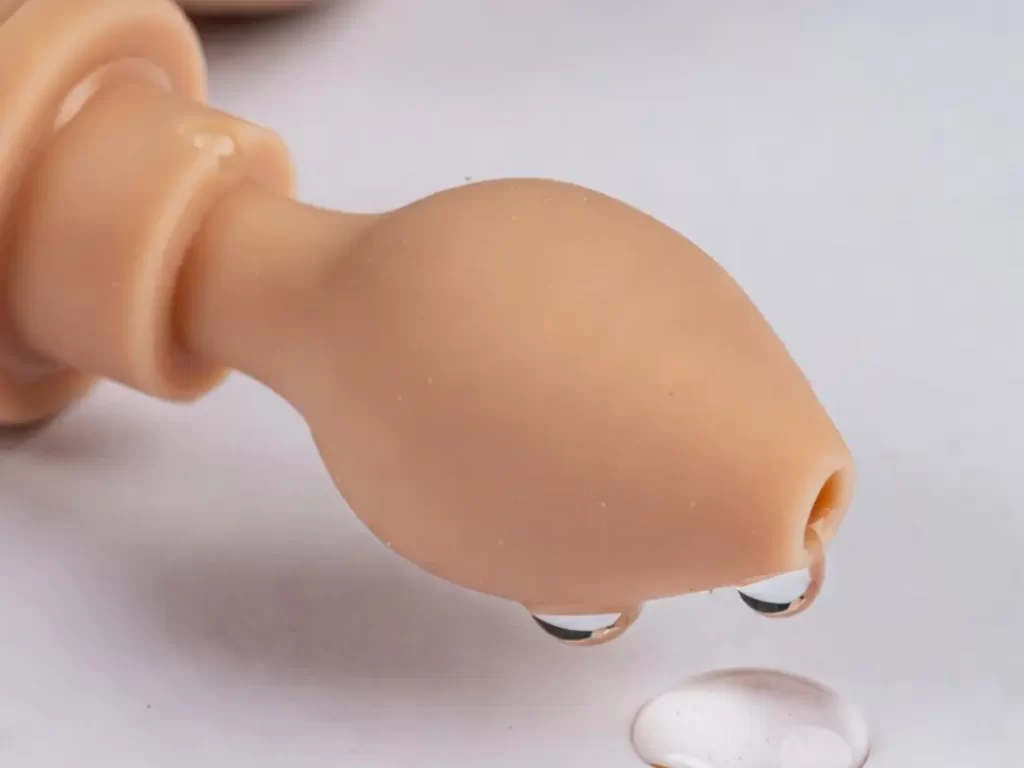
- Dried lubricant. Water-based lubricant can dry into a pale or cloudy film, especially in grooves, around raised details, or where lubricant collected near the base. A film that softens or washes away with the product’s approved cleaning method is more consistent with surface residue than permanent damage.
- Soap or cleaner left behind. A cleaner can leave streaks, a chalky-looking layer, or a slippery film if it was not fully rinsed—or if it is not compatible with the material. Check the care directions and rinse the surface as instructed.
- Mineral deposits from water. Hard water can leave pale spots or a light crust as droplets dry. This may appear after washing, often where water pooled or evaporated slowly. Do not use vinegar, acids, or descaling products unless the manufacturer specifically approves them for that exact dildo.
- Storage or renewal powder. Some soft materials may come with a powder or have manufacturer-specific storage directions. Residual powder can collect in texture or mix with moisture. Do not add talc, cornstarch, or body powder yourself; follow only the instructions for the exact material and model.
- Lint, tissue, or towel fibers. White fibers from paper products, cotton cloth, or a storage pouch can cling to a slightly grippy surface and resemble a powdery coating. Fibers may lift or rinse away, while rubbing with a shedding towel can add more.
- A surface or material change. Peeling, flaking, a gummy patch, an oily film that returns after cleaning, or a persistent change in texture is different from ordinary residue. Possible growth can also resemble pale spots, especially after damp storage, but color alone cannot identify mold or another cause. Set the dildo aside and ask the seller or manufacturer if the change remains.
Start with a low-risk check
Before scrubbing, note where the residue appears and how it looks. Is it a thin film across the surface, dots where water dried, loose fibers, or a patch that seems to be part of the finish? Check whether the dildo was recently washed, used with lubricant, stored while damp, or kept in a pouch that sheds fibers. These details can help narrow the possibilities, but they do not prove the cause.
| What you notice | Possible explanation | Next step |
|---|---|---|
| Thin film or streaks that lift during cleaning | Lubricant, soap, cleaner, or water deposits | Clean according to the manufacturer’s directions and rinse fully if instructed |
| Loose white threads or fuzz | Lint, paper, or towel fibers | Rinse or lift gently with a clean, non-shedding cloth; avoid abrasive scrubbing |
| Powder in folds or molded details | Storage powder or dust from packaging | Check the product instructions; do not apply additional powder without approval |
| White patches remain after cleaning and complete drying | Possible surface change, damage, or another unresolved cause | Pause use and contact the maker with photos and the model information |
| Spots appear fuzzy, spread, or come with an unusual odor | Possible growth or contamination; appearance is not conclusive | Do not insert it; isolate it and seek manufacturer guidance |
How to clean residue without making the problem worse
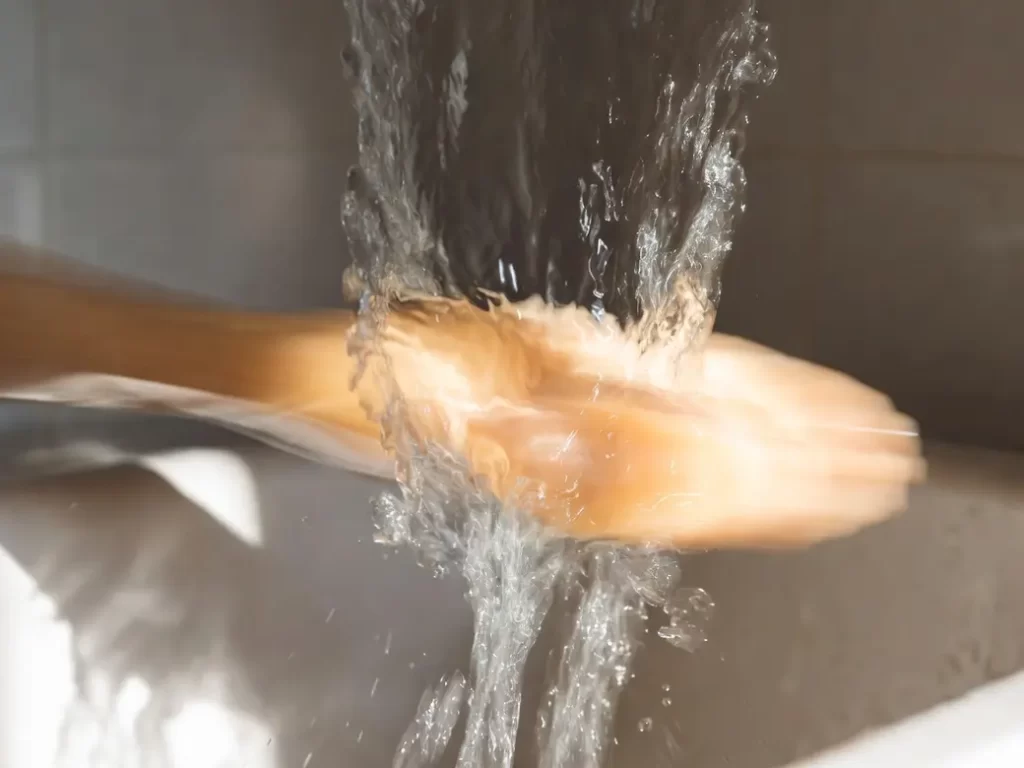
Use the care instructions for the dildo’s exact material and construction. If the instructions allow washing, use the recommended method and a mild cleaner; rinse away any soap or cleaner residue as directed, then let the surface dry completely. For an electronic or non-waterproof dildo, do not submerge it—follow the maker’s wipe-clean instructions instead.
Avoid trying to solve an unknown white film with bleach, alcohol, solvents, abrasive pads, boiling water, or household descalers. A stronger cleaner is not automatically safer, and different materials, coatings, seams, and internal components can have different limits. The manufacturer’s instructions should determine what touches the surface. LELO’s care guide also emphasizes cleaning by material and rinsing thoroughly; see its silicone cleaning instructions.
Do not scrape at a patch with a fingernail or sharp tool. That can scratch the surface and make it harder to tell whether the original mark was residue or damage. If the film does not lift with the approved cleaning routine, stop experimenting with additional products and contact the maker.

When white residue may point to a bigger issue
Removable residue usually changes or disappears after the appropriate cleaning and drying routine. A persistent surface change deserves more caution, especially if the texture becomes sticky, oily, rough, cracked, or flaky, or if the surface transfers color. Stop using the dildo until the seller or manufacturer has advised you about that specific condition.
White or pale spots alone are not enough to diagnose mold. If the dildo was stored damp and the spots look fuzzy, spread, or return, keep it separate from other items and do not use it while you seek guidance. Our article on identifying suspicious spots and possible mold explains why visual appearance by itself is not conclusive.
If a new silicone dildo has a gummy feel or residue that returns after cleaning, that is a different question from a one-time film of dried soap or lubricant. Read signs of possible silicone cure problems and what can and cannot be repaired before deciding what to do with a changed surface.
How to reduce residue after cleaning
- Use only cleaning methods approved for the dildo’s material and whether it has electronics.
- Rinse off soap or cleaner as directed, paying attention to grooves, seams, and textured areas.
- Let the dildo dry completely on a clean surface before putting it away.
- Use a clean, non-shedding cloth if you need to pat it dry; avoid rubbing with fluffy towels or tissue that leaves fibers.
- Store it in a clean, dry, individual pouch or container that does not shed lint.
- Do not add powder or other coatings unless the manufacturer recommends them for that exact product.
For a complete material-by-material routine, see how to clean a dildo properly. If the label does not clearly identify the material, use the guide to reading dildo packaging and ask the seller before applying an unfamiliar cleaner.
Frequently asked questions
Is white residue on a dildo always mold?
No. Dried lubricant, soap, hard-water minerals, powder, and fibers can all look pale or white. Mold cannot be reliably identified from color alone. If spots appear fuzzy, spread, or remain after cleaning and drying, set the dildo aside and ask the manufacturer.
Can I use vinegar to remove white marks?
Do not use vinegar or another descaler unless the manufacturer approves it for the exact material and construction. An acidic household cleaner could affect some finishes or components. Start with the product’s stated cleaning method.
Why did a white film appear after I washed the dildo?
It may be leftover soap or cleaner, minerals from drying water, or fibers transferred by the cloth. Rinse and dry it again only if that method is allowed for the dildo. If the film remains or the surface feels different, stop and ask the maker.
Should I use powder to prevent a sticky or dusty surface?
Not unless the manufacturer recommends a specific powder for that exact material. Powder can mix with moisture or lubricant and leave additional residue. Do not use talc, cornstarch, or scented body powder as a general fix.
Can I keep using a dildo if the residue does not wash off?
Pause use if a mark persists after the approved cleaning routine, especially if the surface is gummy, oily, peeling, cracked, or changing color. Contact the seller or manufacturer and include clear photos and the model details.
Residue that rinses away is different from a changing surface
A pale film is often something left on the dildo, such as lubricant, soap, minerals, powder, or fibers. Clean it only by the method approved for that material and check the surface again after it is fully dry. If the white area stays, returns, spreads, or comes with a lasting texture change, stop using the dildo and ask the manufacturer rather than trying stronger chemicals or scraping it away.