

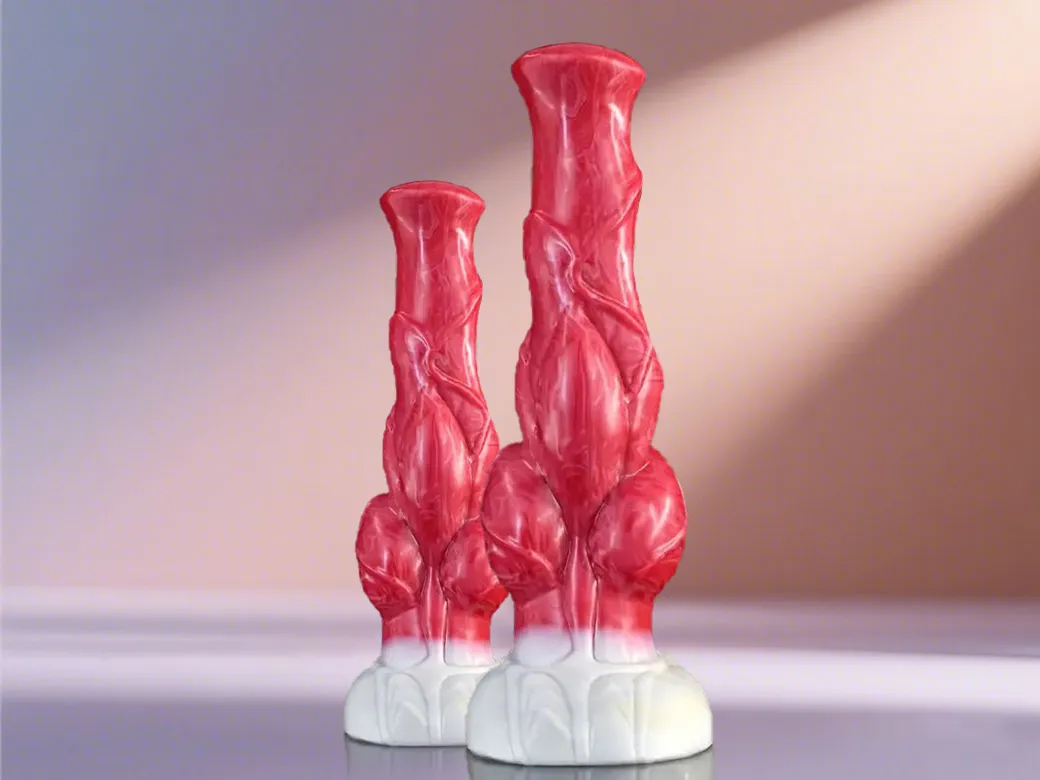
Choosing a dildo for solo use can be different from choosing one for shared play. You may want a design that is easy to hold and adjust on your own, while partnered use can involve coordination, a harness, hands-free positioning, or simply taking turns. The best choice depends on how you plan to use it, what feels comfortable, and how easy the toy is to clean and control.
This guide compares common design priorities without treating one style as universally better. Use it to narrow your options, then check the product’s dimensions, material, care instructions, and intended use.
Start with the way you expect to use it
“Solo” and “partnered” describe who is involved, but they do not determine a single product type. Someone using a dildo alone may want hands-free mounting; partners may prefer a simple handheld design. Begin with the activity and setup, then choose features that make that setup more comfortable.
| What matters most | Solo use | Partnered use |
|---|---|---|
| Control | Grip, reach, manageable weight, and easy angle changes | A comfortable hand position, harness fit, or a stable shared setup |
| Positioning | Whether a suction base or a handle helps in your preferred position | Whether both people can adjust position without strain |
| Sharing and care | Clean before and after use; store dry | Clean between users, or use a new condom when changing users or body areas |
| Choosing size | Prioritize dimensions you can control comfortably | Discuss the intended use and choose together when possible |
A simple decision path
What do you want the toy to do?
- Easy reach and adjustable movement: compare handheld designs with a comfortable grip and a weight you can manage. Browse dildos in different shapes and sizes.
- Hands-free positioning: look at a secure base and test the surface before use. A suction cup is intended for smooth, nonporous surfaces; it does not attach reliably to every wall, fabric, or textured finish. See suction cup dildos.
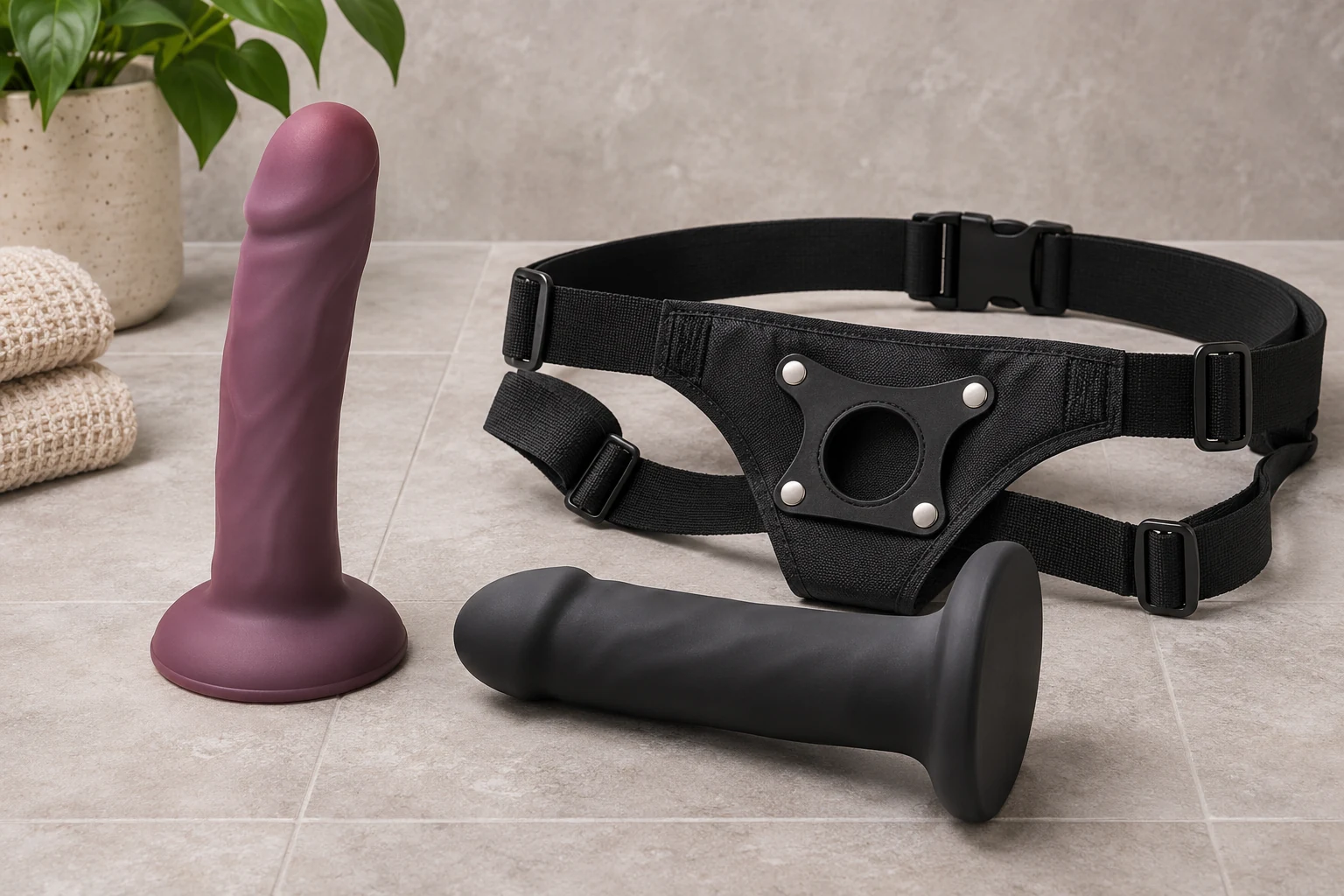
- Harness use: check that the base or harness plate fits the harness opening and that the toy stays secure during gentle movement. Explore harness-compatible designs.
- Shared use with changing turns: favor an easy-to-clean, nonporous material and agree on cleaning or condom changes before play begins.
If there is pain, numbness, irritation, or pressure, pause. Adjust position or stop; do not push through discomfort.
Solo use: choose for reach and control
When you are holding and positioning the toy yourself, small usability details can matter more than extra features. A handle or broader base may make a toy easier to orient. A lighter design can reduce hand fatigue; a firmer shaft may make direction changes feel more predictable. Personal preference varies, so compare soft and firm dildo designs rather than assuming one firmness works for everyone.
Check length and width separately
Total length does not tell you how much of a dildo is usable or how it will feel. Look for insertable length, maximum diameter, and the shape of the head and shaft. A curved shape may reach a particular angle more easily for some users, while a straighter design can be simpler to position. Review the dildo size guide and compare dimensions before ordering.
Consider grip and fatigue
If you expect to hold the toy for longer sessions, consider whether its base is comfortable to grasp and whether the weight feels manageable. When possible, use the product’s listed weight as a comparison point. Do not rely on the product photo to estimate scale; camera angle and close cropping can distort size.
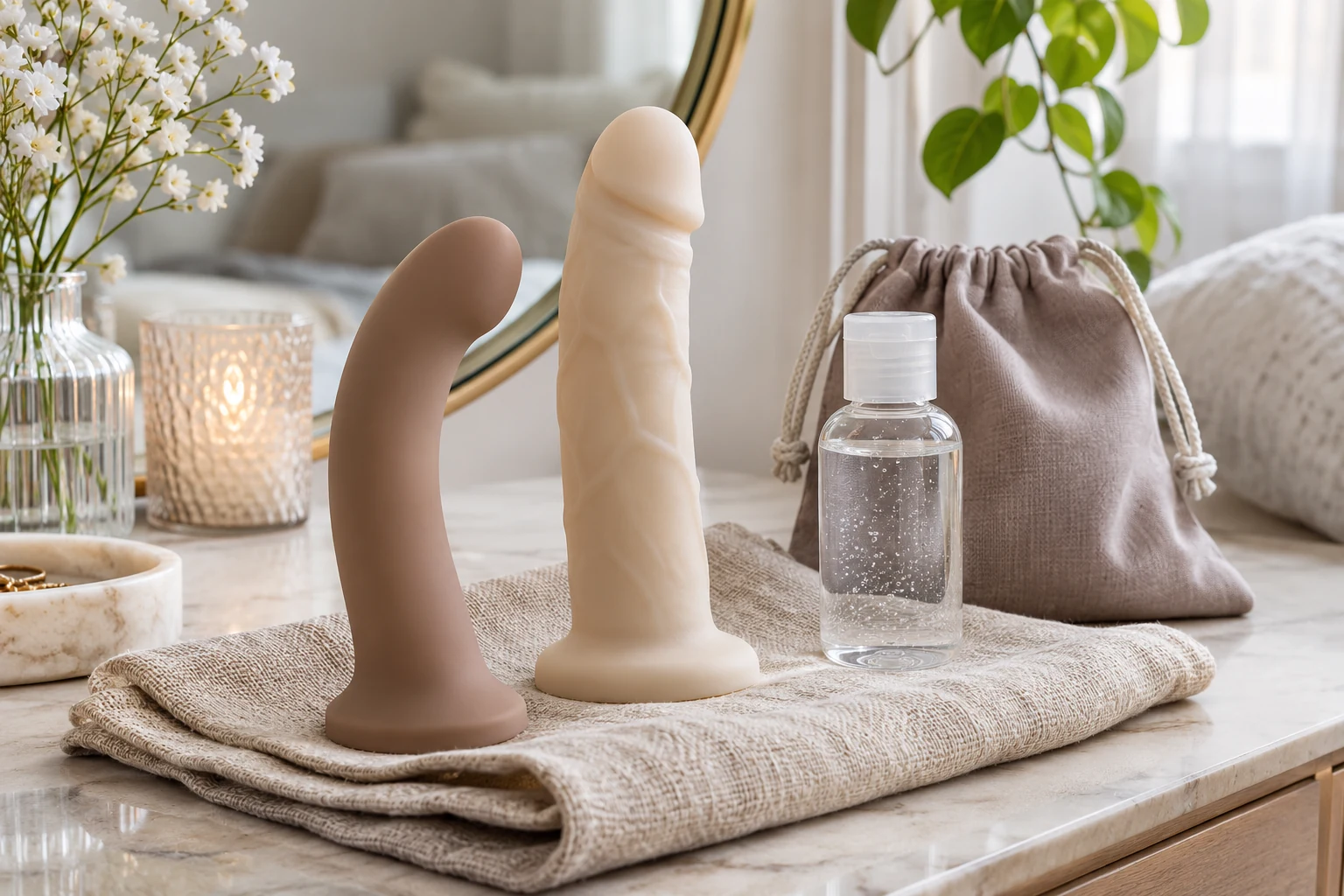
Partnered use: choose for coordination
Shared use works best when both people can speak up and adjust without pressure. Agree on the basics before starting: what kind of stimulation is wanted, which positions feel comfortable, what the stop signal is, and how you will handle cleaning. A toy does not replace communication; it gives you another option to explore together.
Handheld use or hands-free setup?
A handheld dildo offers quick changes in angle and depth, but one partner may need to do most of the positioning. A suction-cup design can free a hand or support a hands-free position, though the surface and seal matter. Test the suction on a clean, smooth surface before use and check that it remains attached under light pressure. Never depend on suction alone if a fall could cause injury.
Harness fit is a practical measurement
For harness use, verify the dildo’s base dimensions and the harness opening. A base that is too small may slip through; one that is too large may not fit. Check the harness maker’s size guidance and test the fit before play. If the toy shifts, loosens, or causes discomfort, stop and readjust. Visit the harness-compatible dildo collection to compare designs.
Shared hygiene: make the plan before play
Clean the toy according to its material and manufacturer’s directions. If it is shared between partners, wash it thoroughly before another person uses it. A condom can make cleanup easier, but it does not remove the need to follow the product’s care instructions; change it when switching users or moving between body areas. Do not assume every cleaner or boiling method is suitable for every toy, especially if it contains electronics, layered materials, or a specialized finish. For details, see how to clean a dildo by material and when to use a condom on a dildo.
Use a lubricant compatible with the toy’s material. Silicone lubricant may damage some silicone toys, so check the manufacturer’s guidance; water-based lubricant is a common option when compatibility is unclear. Reapply if friction increases, and stop if irritation occurs.
Common buying mistakes
- Buying for a fantasy setup you do not actually want: decide whether you need handheld control, mounting, or harness use first.
- Assuming “partnered” means “hands-free”: many couples prefer a simple handheld design and flexible positioning.
- Choosing a toy without checking the base: base shape affects mounting, harness fit, grip, and safety.
- Comparing photos instead of specifications: check length, insertable length, width, weight, and material.
- Leaving hygiene decisions until later: decide how to clean or cover the toy before sharing it.
- Ignoring discomfort: pain is a cue to pause, add compatible lubricant, change position, or stop.
Quick chooser
If you will mostly use it alone
Prioritize comfortable grip, manageable weight, reachable controls, and the dimensions you prefer.
If you want a hands-free position
Consider a suction-cup base, confirm the surface is smooth and nonporous, and test the seal before use.
If you plan to use a harness
Match the base to the harness opening and verify the toy remains secure during gentle movement.
If you plan to share it
Agree on boundaries, cleaning, and condom changes in advance; clean the toy between users.
Frequently asked questions
Is one dildo better for solo and partnered use?
It can be, if its size, base, and grip work for both setups. If your preferred positions differ, two designs may be more convenient than asking one toy to do everything.
Are suction-cup dildos only for partnered play?
No. A suction base can support hands-free positioning for solo or partnered use. It works only when it forms a reliable seal on a suitable surface, so test it before relying on it.
Can partners share a dildo?
Yes, with a clear hygiene plan. Clean the toy between users according to its material instructions, or use a new condom when changing users. Change condoms when moving between body areas.
What shape is easiest for couples?
There is no universal answer. A straight shape may be easy to orient; a curved shape may suit a preferred angle; a harness-compatible base can help with strap-on use. Choose together when possible and prioritize comfort and control.
Should we buy a vibrating dildo for shared use?
Only if vibration is something both people want. Check the control placement, noise expectations, charging method, and cleaning instructions. A non-vibrating design may be simpler if you want fewer controls or an easier care routine.
Final thought
Choose based on the setup you are likely to use: grip and reach for solo control, or coordination and fit for partnered play. Then check the material, measurements, base, lubricant compatibility, and cleaning instructions. A comfortable, easy-to-control toy is a more useful choice than one selected only for appearance or a long feature list.