

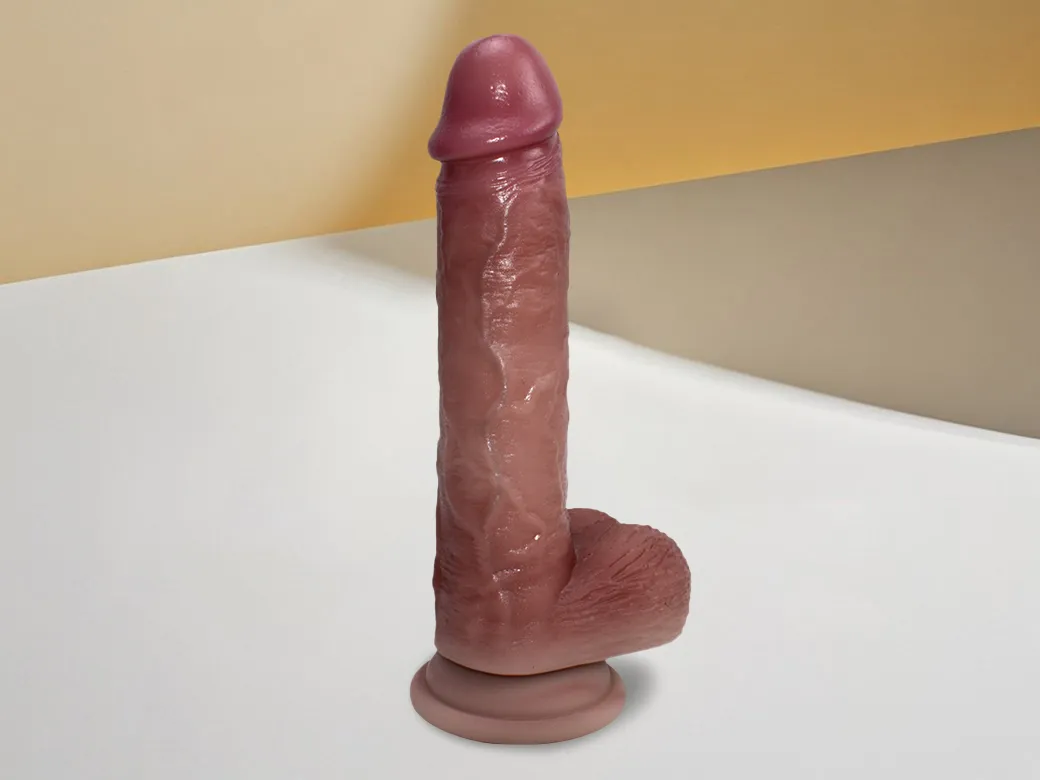
They can look similar in a product photo, but a vaginal dilator and a pleasure dildo are designed around different goals. A dilator is commonly used as part of a clinician-recommended plan for gradually becoming more comfortable with vaginal insertion. A dildo is generally designed for sexual pleasure, with choices centered on sensation, shape, firmness and personal preference.
If you are managing pain, pelvic-floor symptoms, post-treatment care or another medical concern, do not assume a regular dildo can replace a dilator set or a plan from a healthcare professional. If you are simply choosing a pleasure product, a clinical dilator’s graduated sizing and instructions may not match what you want. Start with the reason you are shopping, then choose the category.
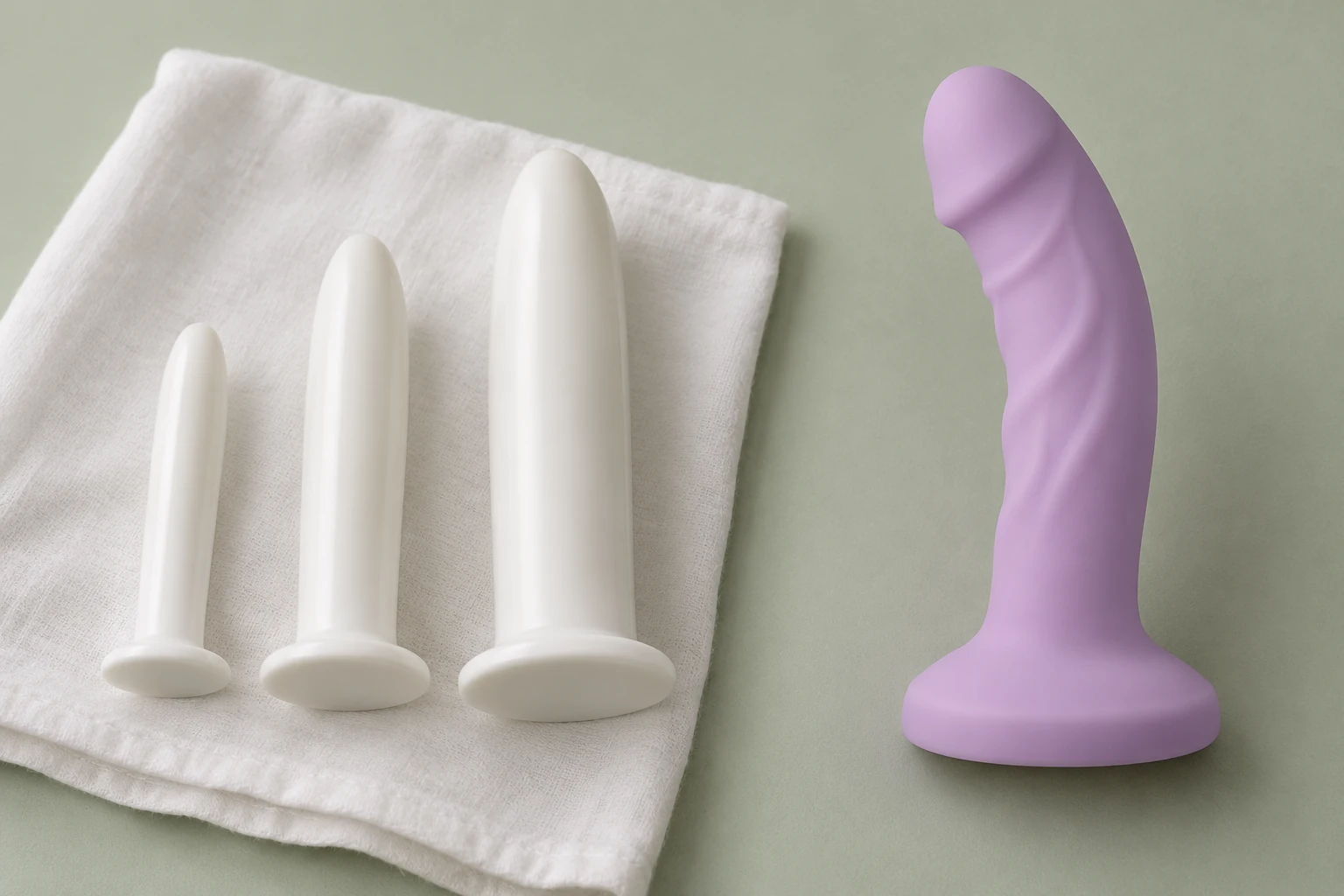
At a glance: dilator vs. dildo
| Question | Vaginal dilator | Pleasure dildo |
|---|---|---|
| Primary purpose | Often used in a structured plan related to vaginal insertion comfort or tissue/pelvic-floor care | Designed primarily for sexual pleasure and personal or partnered use |
| How it is chosen | By clinician guidance, treatment goal, comfortable starting size and device instructions | By preferred dimensions, firmness, shape, texture, material and intended use |
| Typical product format | Frequently sold as smooth, graduated sizes; designs vary by maker | Available in many shapes, curves, textures, materials and firmness levels |
| How progression works | May follow a specific gradual schedule, if recommended by the care provider | No treatment progression; selection depends on comfort and preference |
| Who provides guidance | Healthcare professional and device maker | Product maker’s care instructions; personal preference governs selection |
What a vaginal dilator is designed to do
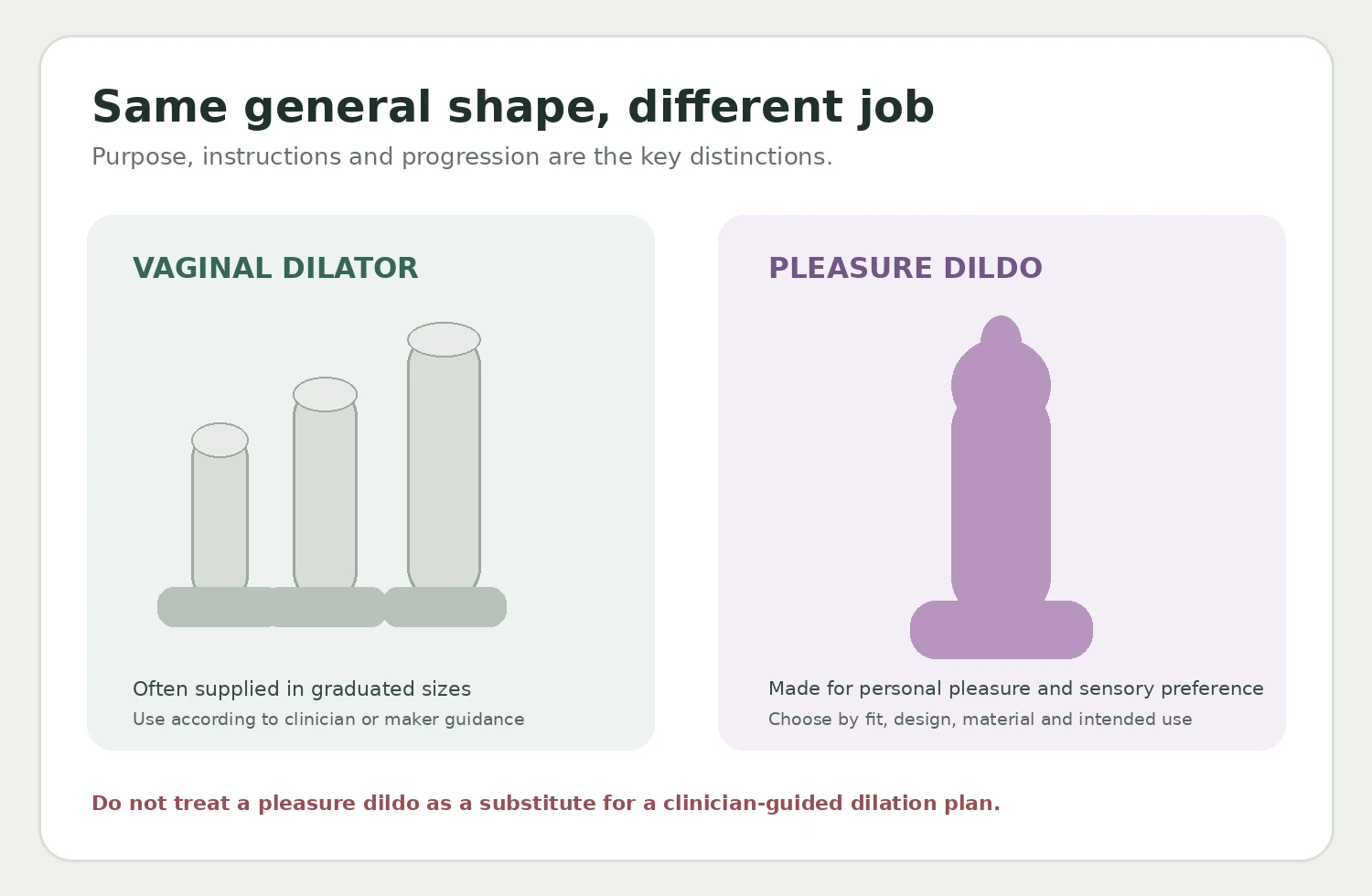
Vaginal dilators are smooth devices available in different sizes. A clinician may recommend them as one part of care for certain situations involving painful or difficult vaginal penetration, pelvic-floor muscle tension, tissue changes or other diagnoses. The specific reason, starting size, pace and technique depend on the person and the treatment plan.
For example, Cleveland Clinic describes vaginal dilators as a treatment option for some people with pain during penetration and recommends discussing their use with a healthcare provider. ACOG likewise lists dilators among possible recommendations for difficulty with penetration, alongside other options depending on symptoms. These sources do not mean that everyone experiencing discomfort should start a dilator program on their own.
Some kits include several sizes to support a gradual approach. “Start with the smallest” is not a universal prescription: the appropriate starting point and whether to progress at all should follow the individual instructions given by a clinician. Do not force insertion or move up a size just to follow a calendar.
What a pleasure dildo is designed for
A dildo is generally selected for sexual sensation rather than a prescribed therapy goal. Its shape, usable length, diameter, firmness, texture, base and material can affect how it feels and how easy it is to control. Some dildos are smooth and simple; others are curved, textured, flexible, harness-compatible or designed for a particular kind of stimulation.
Those features do not make a dildo a medical dilator. A prominent head, pronounced curve, large diameter or highly flexible shaft might suit one person’s preferences and be uncomfortable or difficult for another. For choosing dimensions, see our dildo size guide. For how firmness changes control and sensation, read soft vs. firm dildos.
Why the categories are not interchangeable
A product can be physically insertable without being appropriate for every purpose. Similar shape is not the same as similar design intent.
- Different selection logic: a therapeutic device may be selected for a care plan, while a pleasure dildo is chosen for preferred sensation and use.
- Different progression: a dilator plan may use deliberate steps guided by a clinician. A dildo has no built-in treatment progression, even if its size seems similar.
- Different handling: clinical devices often prioritize smooth, simple surfaces and controlled movement. Pleasure designs can have details that are not part of a therapeutic plan.
- Different instructions: the right cleaning, lubricant and use method depends on each exact device. Do not transfer instructions from one product to another.
- Different support: a dilator may be part of broader care, such as pelvic-floor physiotherapy. A dildo does not replace assessment or therapy.
Some products may be marketed for more than one purpose. If the maker explicitly identifies a device as a dilator, follow its specific instructions and any care-provider guidance. If the product is sold only as a pleasure dildo, do not infer that it is suitable for a treatment plan.
Use this decision path
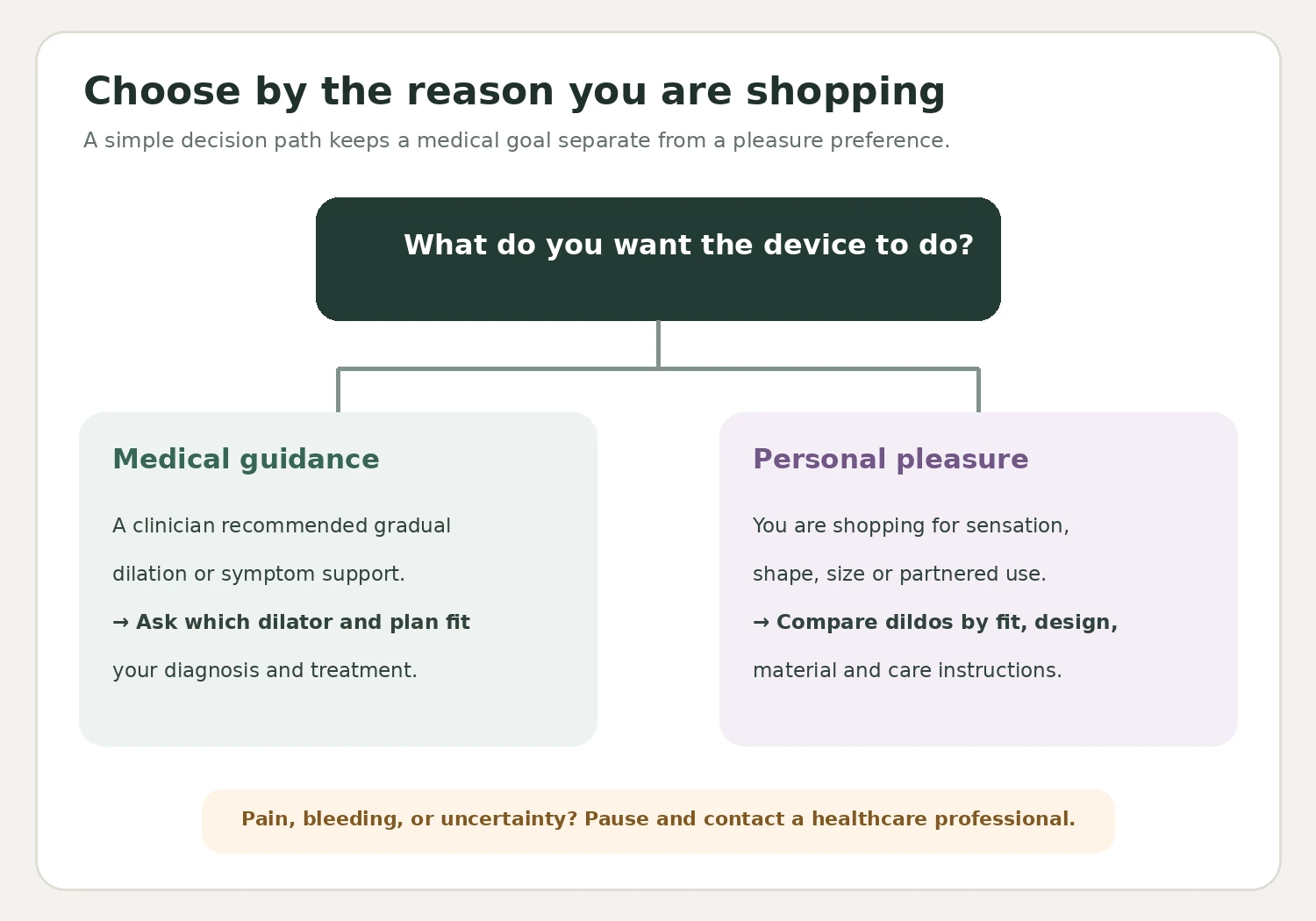
If a clinician recommended dilation
Ask the clinician or pelvic-health physiotherapist which device type, material, starting size and routine are appropriate. A written plan can help clarify how much pressure is expected, what sensations mean “pause,” when to progress, and when to check in. Use the exact device as directed, and contact the provider if the instructions are unclear or symptoms change.
If you are shopping for pleasure
Compare dildos by comfortable dimensions, firmness, shape and material. If you are new to insertion, a manageable size and a simple design may be easier to control. Use compatible lubricant and follow the maker’s cleaning directions. A pleasure product should not be used to push through pain or to test whether a medical symptom has improved. Browse our dildo collection or compare soft dildos by intended use and listed specifications.
Questions to ask a healthcare professional
If dilation has been recommended, these questions can make the plan more concrete:
- What is the goal of using a dilator in my situation?
- Which style and starting size should I use, and how will I know when to progress?
- What sensations are expected, and what symptoms mean I should stop?
- How often and for how long should I use it?
- Which lubricant and cleaning method are suitable for the device?
- Should I avoid insertion during a flare, after a procedure, or while a symptom is present?
- When should I schedule a follow-up if the plan is uncomfortable or not helping?
These questions matter because instructions differ among conditions and devices. A product page cannot assess your symptoms or replace personalized care.
Comfort and safety: when to pause
Whether using a clinician-recommended dilator or a pleasure dildo, do not force insertion. Pause if you experience sharp or increasing pain, bleeding, new irritation or symptoms that feel different from what your provider described. If a dilator is part of treatment, contact the clinician who recommended it for advice rather than switching to a larger device or improvising a substitute.
If discomfort with insertion is new, persistent or affecting daily life, consider speaking with a qualified healthcare professional. ACOG notes that treatment depends on symptoms and may involve different approaches; a device alone is not a diagnosis. Seek timely care for severe pain, significant bleeding, fever or other concerning symptoms.

Cleaning and storage are device-specific
Read the care instructions for the exact dilator or dildo. Materials and construction differ, and some products have handles, seams, coatings or electronic parts that change how they should be washed or dried. Do not assume that a device can be boiled, submerged or cleaned with a particular product because another one tolerated it.
Clean the device as directed after use, rinse away cleaner when instructed, and let it dry fully before storage. If sharing a pleasure dildo, use a fresh condom for each person and body area or clean it according to the manufacturer’s instructions before switching. See how to clean a dildo by material and when to use a condom on a dildo.
Common misunderstandings
| Assumption | More accurate way to think about it |
|---|---|
| “They look alike, so they do the same job.” | Appearance does not define intended purpose or a clinician’s plan. |
| “A dildo can replace a dilator if it is small enough.” | Size alone does not make it an appropriate therapeutic device; ask the treating professional. |
| “Some discomfort means I should push farther.” | Do not force insertion. Follow individualized guidance and pause when pain occurs. |
| “Dilators are only for one diagnosis.” | Clinicians may recommend them for different circumstances; the reason and plan vary. |
| “A dildo is automatically unsuitable for anyone who uses a dilator.” | Personal pleasure and medical care are separate questions. Ask the clinician about timing and any restrictions for your situation. |
Frequently asked questions
Is a vaginal dilator the same as a dildo?
No. They can have a similar general shape, but dilators are commonly used in a clinician-guided plan, while dildos are generally designed for sexual pleasure. Intended purpose and instructions matter more than appearance.
Can I use a dildo instead of a vaginal dilator?
Do not substitute a pleasure dildo for a recommended treatment device without asking the healthcare professional who created your plan. A dildo’s shape, firmness, surface and dimensions may not fit the goal or instructions.
Are dilators only used for vaginismus?
No. A clinician may recommend them in different situations involving painful or difficult penetration or changes to vaginal tissue. The appropriate use depends on an individual assessment.
Do dilators always come in a set?
No. Some are sold individually and others in graduated sets. Follow the provider’s recommendation about which size or set to use; the number of sizes in a kit is not a treatment schedule.
Can using a dilator hurt?
It should not be forced. Follow the instructions you were given and stop if pain occurs or symptoms worsen. Ask the recommending clinician what sensations are expected and when to contact them.
Can I use a pleasure dildo if I have pelvic pain?
That depends on the cause of the pain and your individual situation. If penetration is painful or a clinician has given you restrictions, ask for personalized advice before use. Do not use a dildo to push through pain.
Keep the purpose clear
A vaginal dilator and a pleasure dildo may share a silhouette, but the decision behind each one is different. A dilator belongs within the instructions of a care plan; a dildo belongs in a personal selection process based on comfort, preference, design and care. If the reason for choosing one is medical, get guidance on the right device. If the goal is pleasure, compare products on their intended features and choose at a pace that feels comfortable.