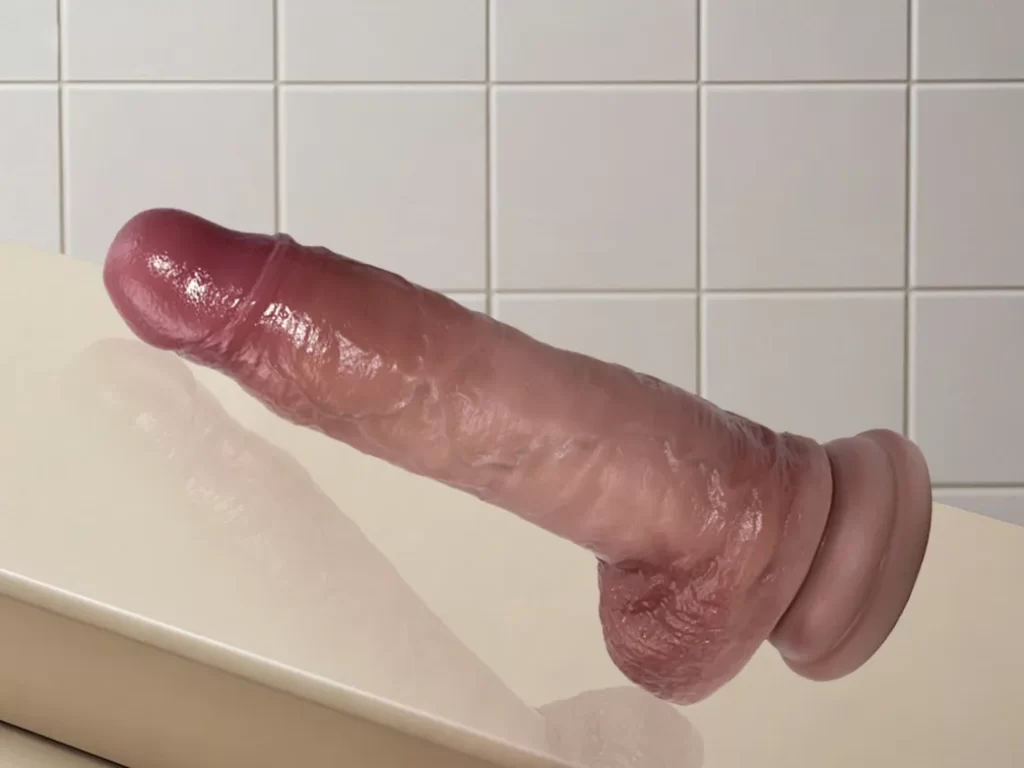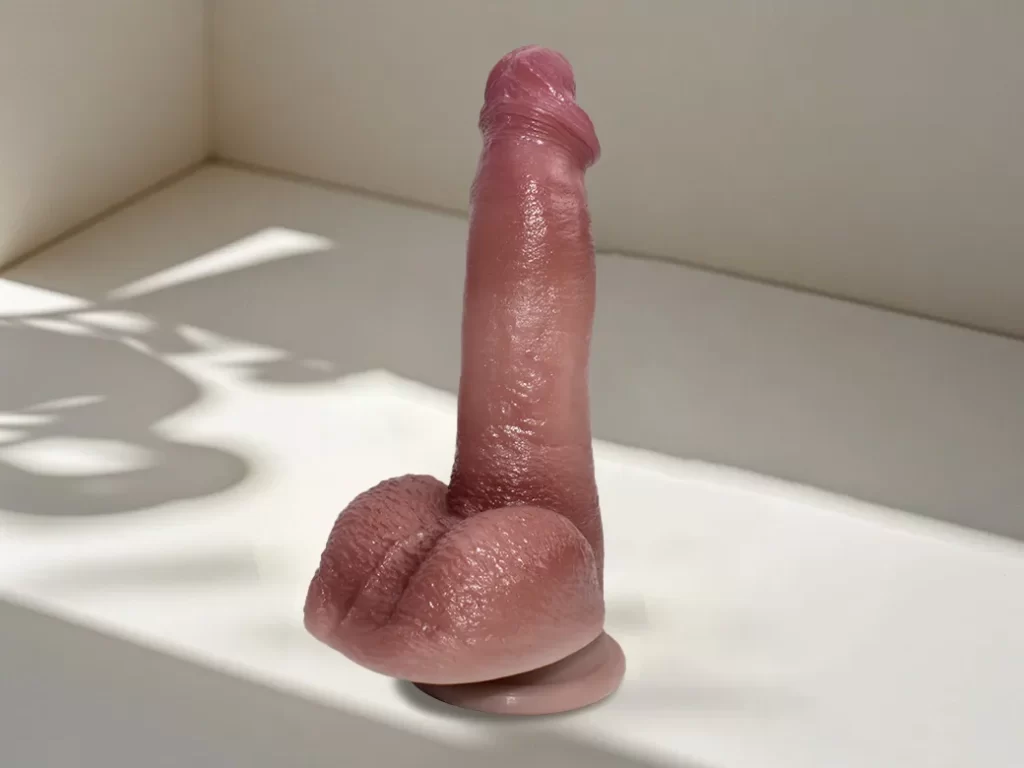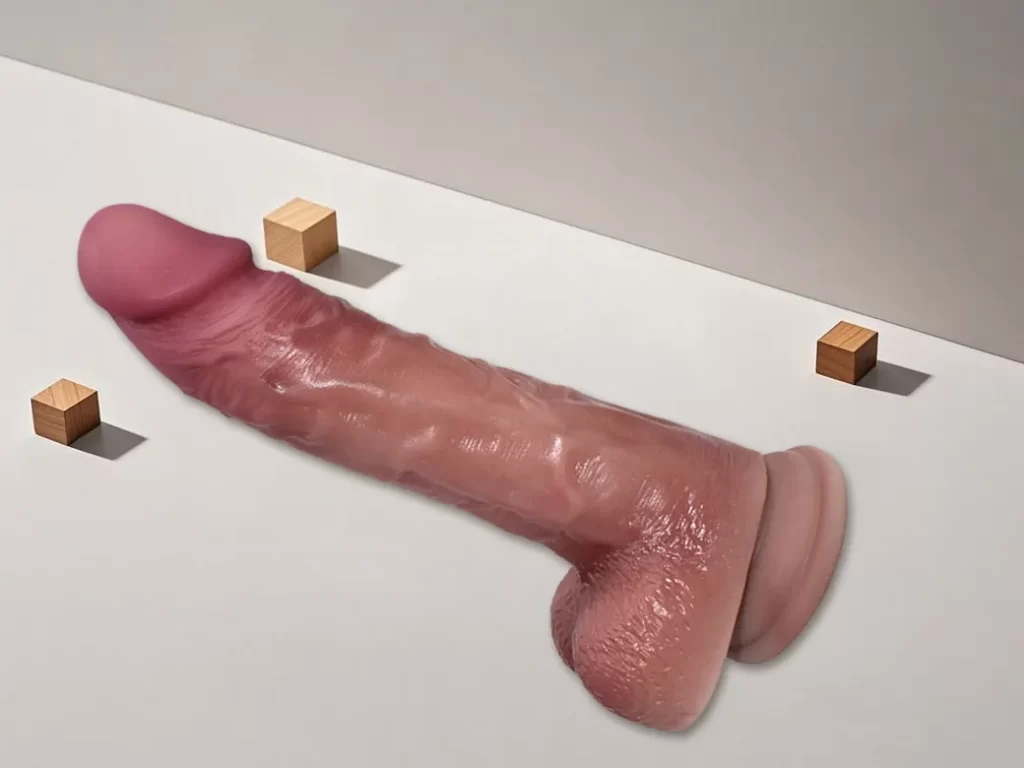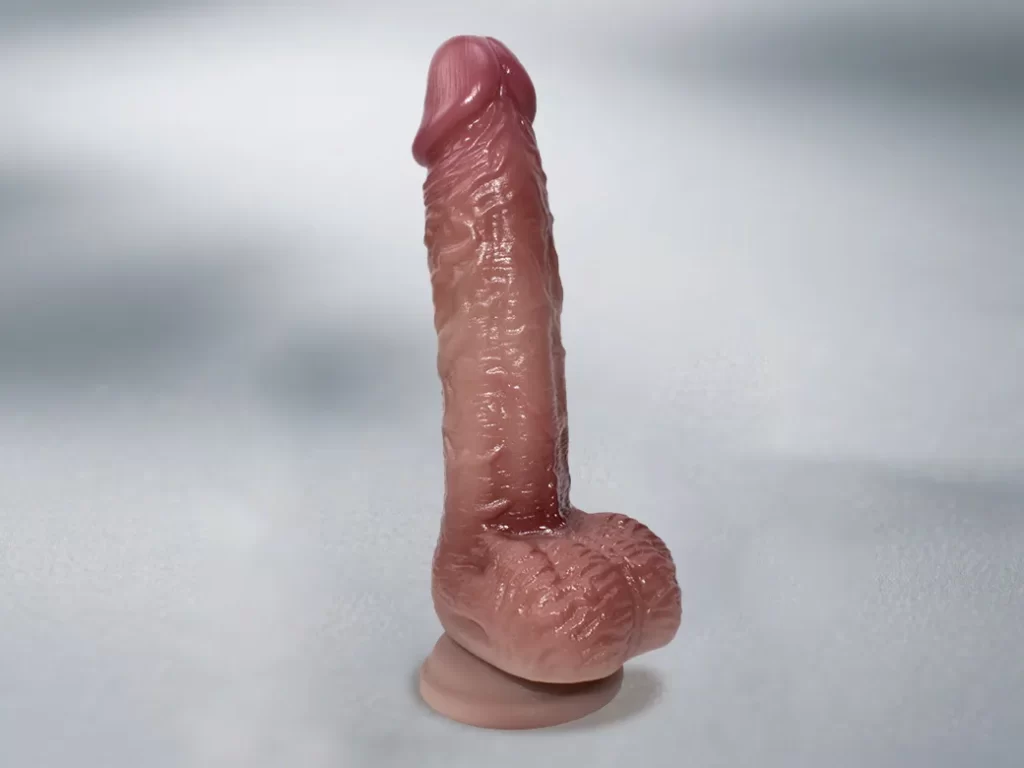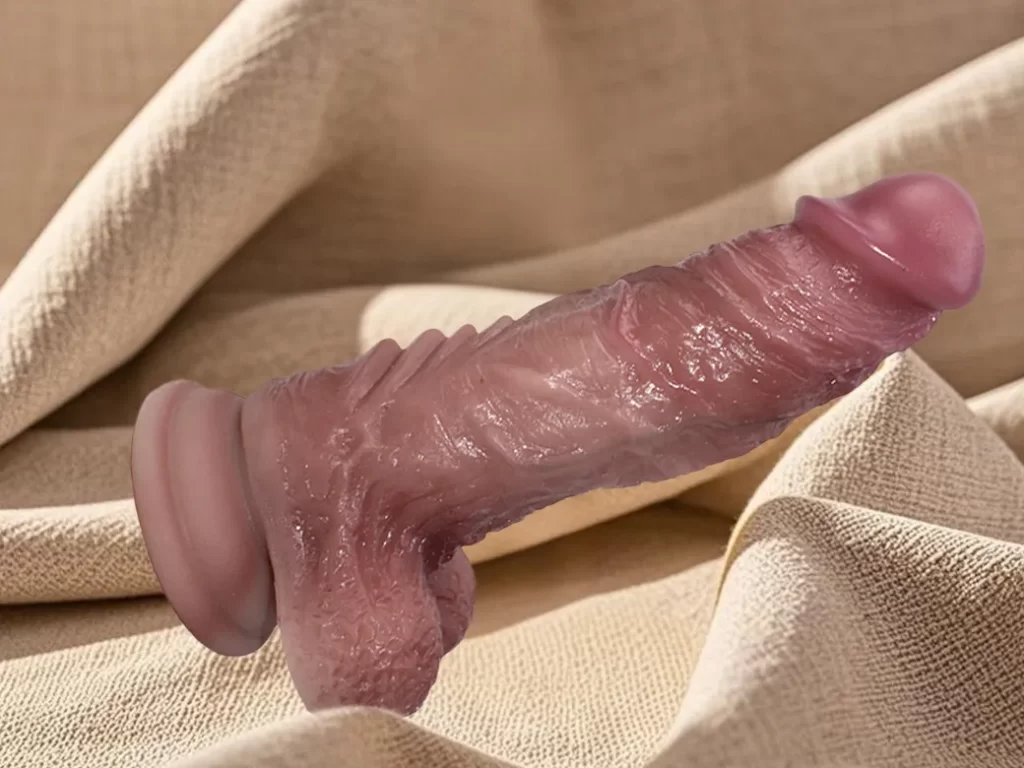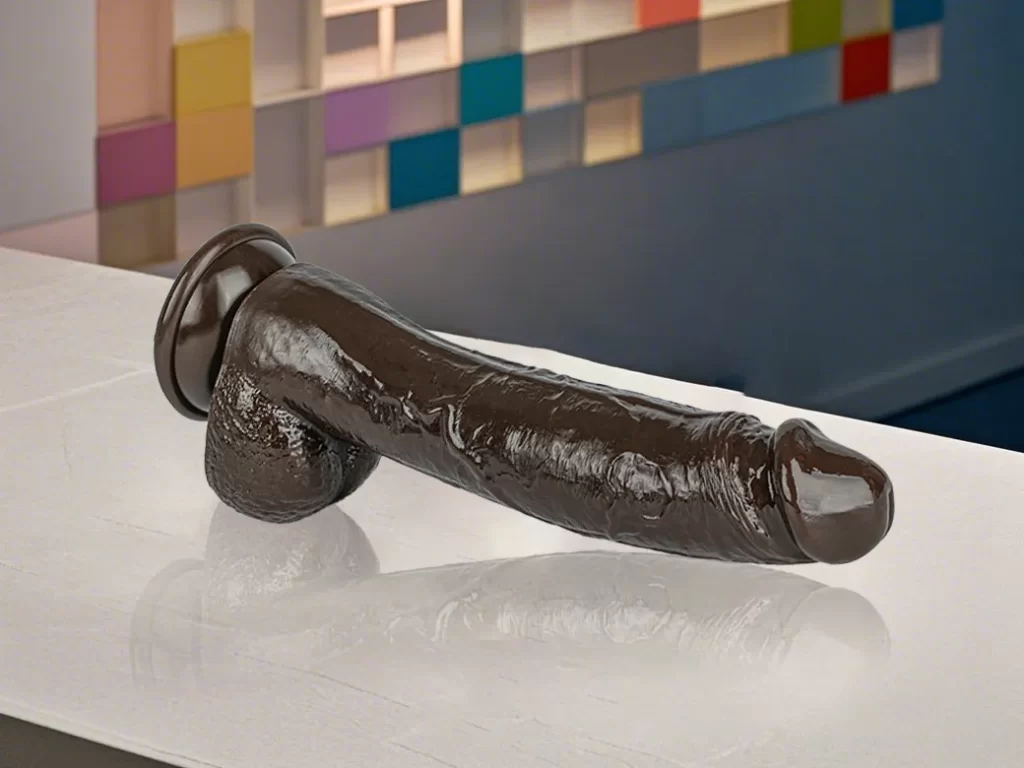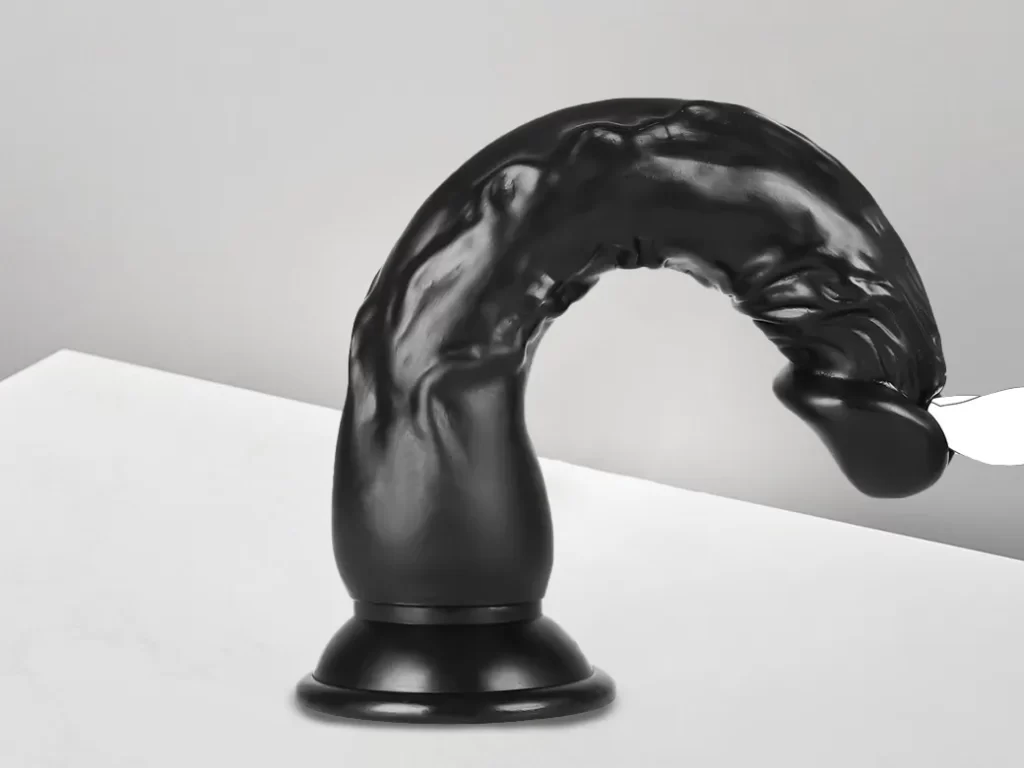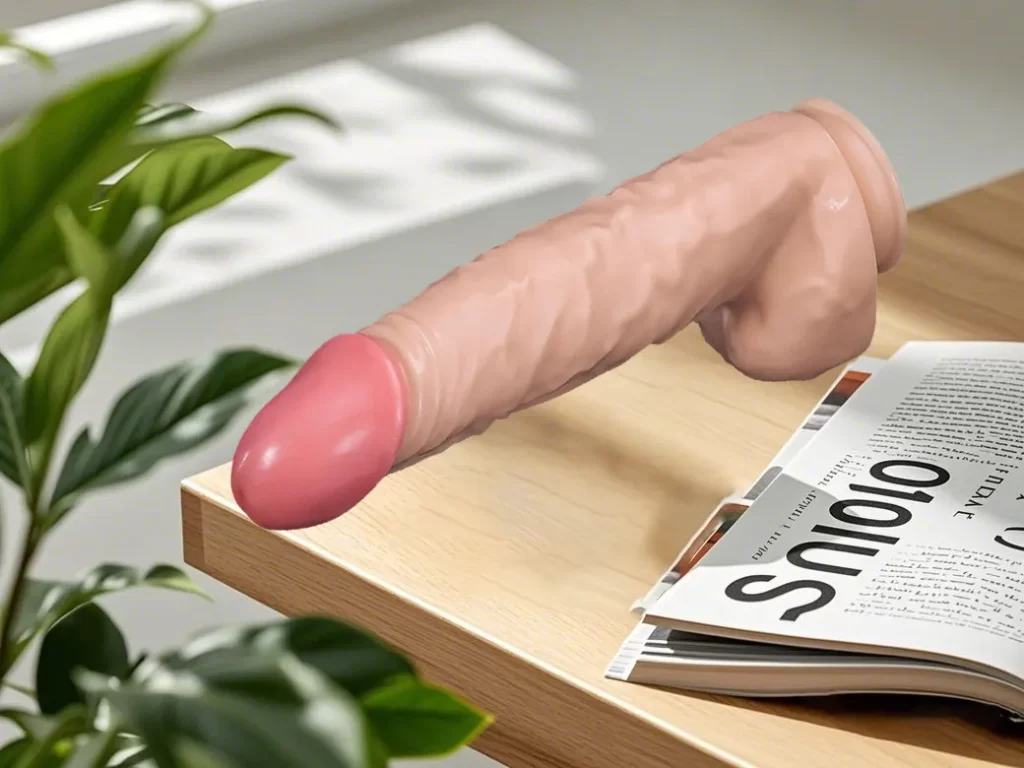

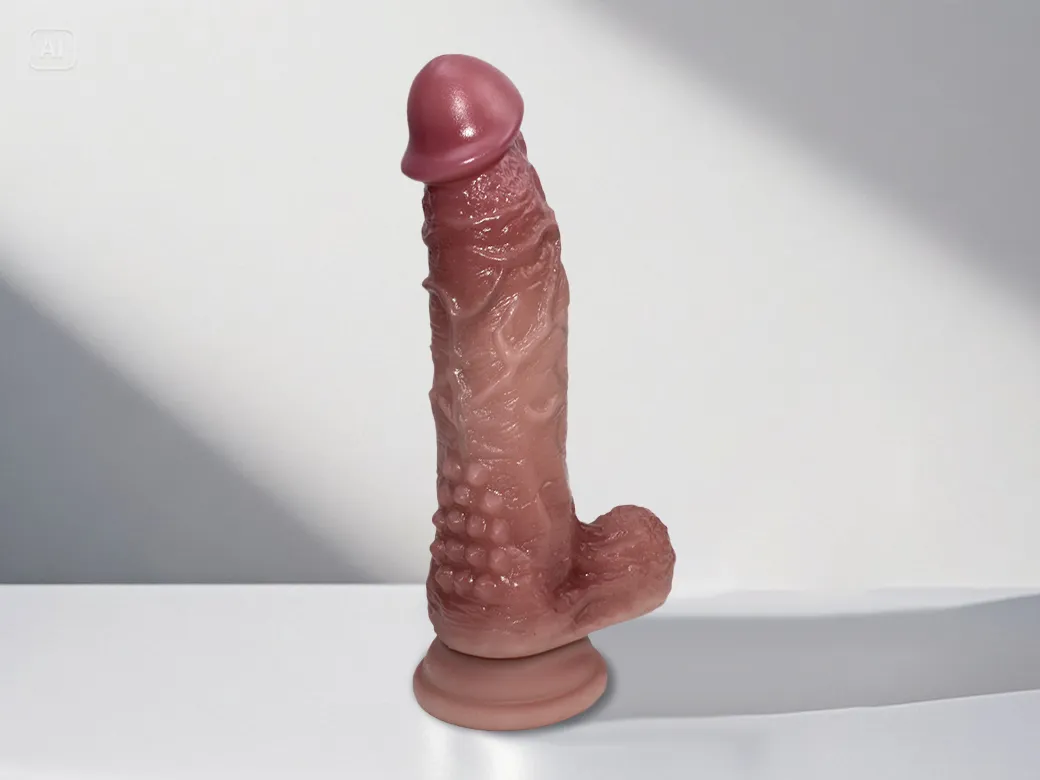
A dildo can look completely clean and still have a noticeable smell after it dries.
That does not automatically mean the dildo is dirty. The odor may come from the material itself, packaging, lubricant residue, scented soap, a storage pouch, trapped moisture or gradual material change.
The useful clue is not simply whether the dildo smells. It is when the smell appears, what it resembles, whether washing changes it and whether the surface has changed at the same time.
A new dildo that has smelled the same since it left the package presents a different question from a previously odorless dildo that suddenly develops a strong smell after months of use.
Start with these four observations
- Was the smell present when the dildo was new?
- Does the smell become stronger when the dildo is wet or warm?
- Does it disappear after complete drying and airing?
- Has the texture, color, firmness or surface changed too?
The Timing of the Smell Is the First Clue
Instead of trying to identify an odor by description alone, first determine when it appears. Timing can narrow the possibilities much more effectively than labels such as “chemical,” “rubbery” or “strange.”
| When You Notice the Odor | Possible Sources | What to Check Next |
|---|---|---|
| Immediately after opening | Material, packaging, manufacturing residue | Air separately and inspect the surface |
| Only after washing | Soap fragrance, incomplete rinsing, trapped moisture | Rinse carefully and let it dry completely |
| After lubricant use | Lubricant residue or fragrance | Compare the lubricant smell separately |
| Only after storage | Pouch, drawer, nearby materials, trapped moisture | Smell the empty storage area and bag separately |
| Appears months later | Residue, contamination or material aging | Check texture, oiliness, cracks and discoloration |
| Returns rapidly after cleaning | Material-related odor or persistent contamination | Separate the dildo from accessories and reassess |
A Clean Dildo Can Still Carry an Odor
Cleaning removes substances from the surface, but it cannot necessarily change the natural scent of the underlying material.
This distinction matters because buyers sometimes respond to persistent odor by washing more aggressively. Stronger cleaning does not always solve the problem and may expose the dildo to chemicals or temperatures that were never recommended for it.
If ordinary cleaning removes visible residue and the surface remains intact, repeated scrubbing should not be the next automatic step.
Instead, separate the possible sources.
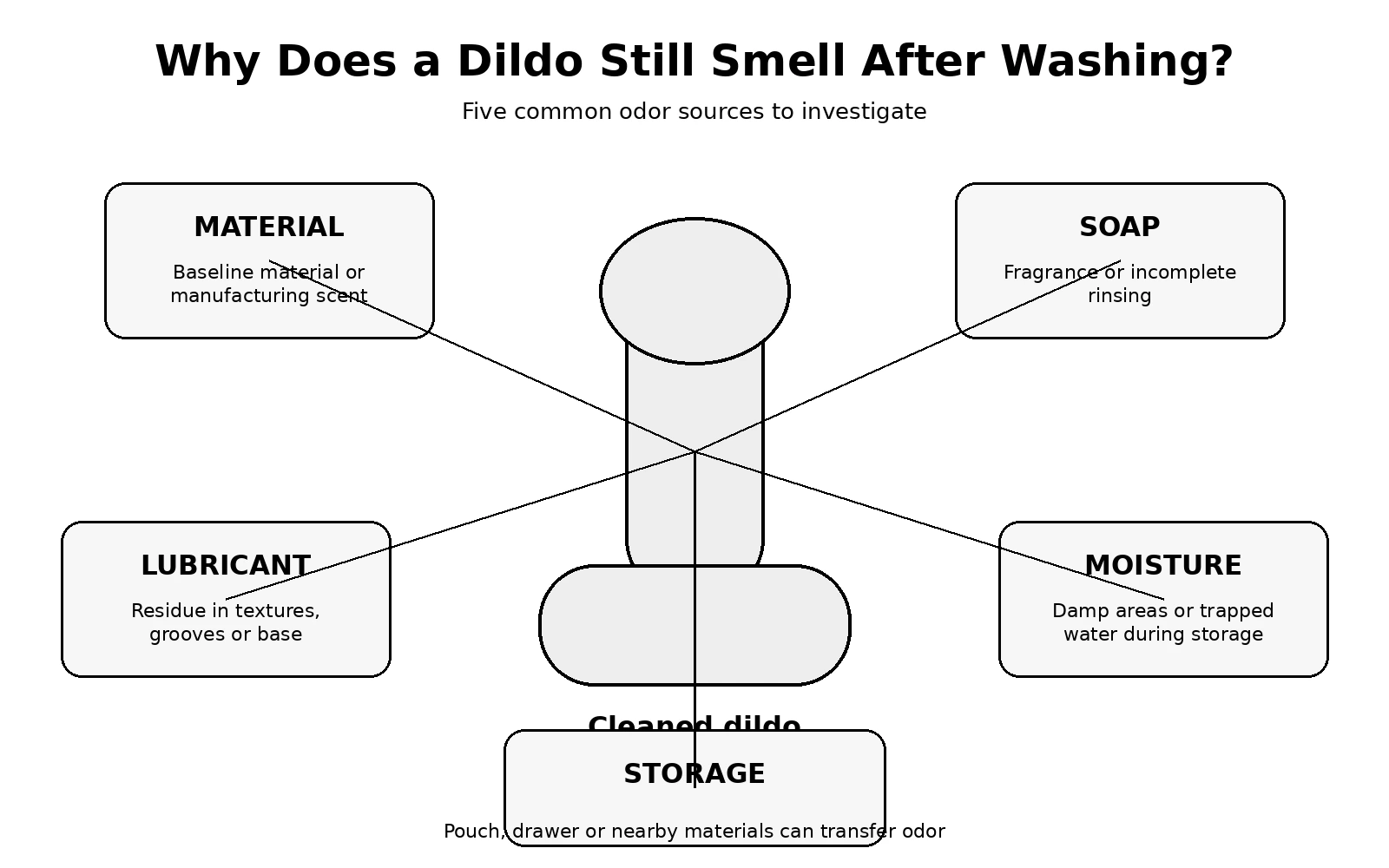
The Material Itself
Different dildo materials can have noticeably different baseline smells.
A well-finished silicone dildo may have relatively little detectable odor, while some TPE, TPR, PVC, rubber-like blends and heavily pigmented materials may have a more noticeable manufactured scent.
Even within the same broad material family, formulation can vary. Two products both labeled “TPE” do not necessarily contain identical polymers, oils, additives, pigments or processing aids.
For that reason, odor alone cannot reliably identify what a dildo is made from.
Important distinction: “It smells” is an observation. “Therefore it is unsafe,” “therefore it is silicone,” or “therefore it is TPE” are conclusions that require additional evidence.
The Packaging
Packaging can contribute more odor than the dildo.
A product stored for weeks or months inside printed cardboard, a plastic bag, molded foam, a vinyl pouch or a sealed tray can temporarily carry the smell of that environment.
When investigating a new product, smell the empty box, plastic insert and storage pouch separately. If the packaging has a nearly identical scent, the source may not be the dildo itself.
This is one reason we recommend keeping the packaging nearby during the initial inspection rather than immediately throwing it away. See our new dildo checklist for a complete first-use inspection sequence.
Soap Can Become the Smell You Are Trying to Remove
A common mistake is assuming that anything that smells “clean” cannot be residue.
Strongly fragranced hand soap, shower gel and household cleaning products can leave their own scent behind, particularly around deep textures, bases, seams and recessed details.
A dildo may therefore smell stronger after washing even though the new smell is coming from the cleaning product.
Signs That Cleaner May Be the Source
- The smell resembles the soap or cleaner you used.
- The scent becomes stronger immediately after washing.
- It gradually weakens during drying.
- The smell is concentrated in textured areas.
- A second rinse noticeably reduces it.
- The dildo had little or no smell before cleaning.
If the manufacturer permits washing with mild soap and water, rinse thoroughly enough that no slippery or foamy film remains. Do not compensate for suspected soap residue by adding another cleaner on top.
Lubricant Residue Can Produce a Different Kind of Odor
Lubricant does not always rinse away in one quick wash.
Some formulas contain fragrances, flavors, humectants, botanical ingredients, oils or thickening agents. Residue may remain in pronounced veins, texture valleys, foreskin-like details, the underside of a suction cup or the junction between a shaft and base.
If the odor appeared only after using a new lubricant, compare the smell of the lubricant directly with the cleaned dildo.
Before blaming the dildo, compare four things:
- The lubricant bottle
- The soap or cleaner
- The storage pouch
- The dildo after it has been completely dry for several hours
This simple comparison can prevent unnecessary replacement of a product when the actual source is an accessory or cleaning product.
Moisture Changes How Odors Behave
A dildo can smell different when wet than when completely dry.
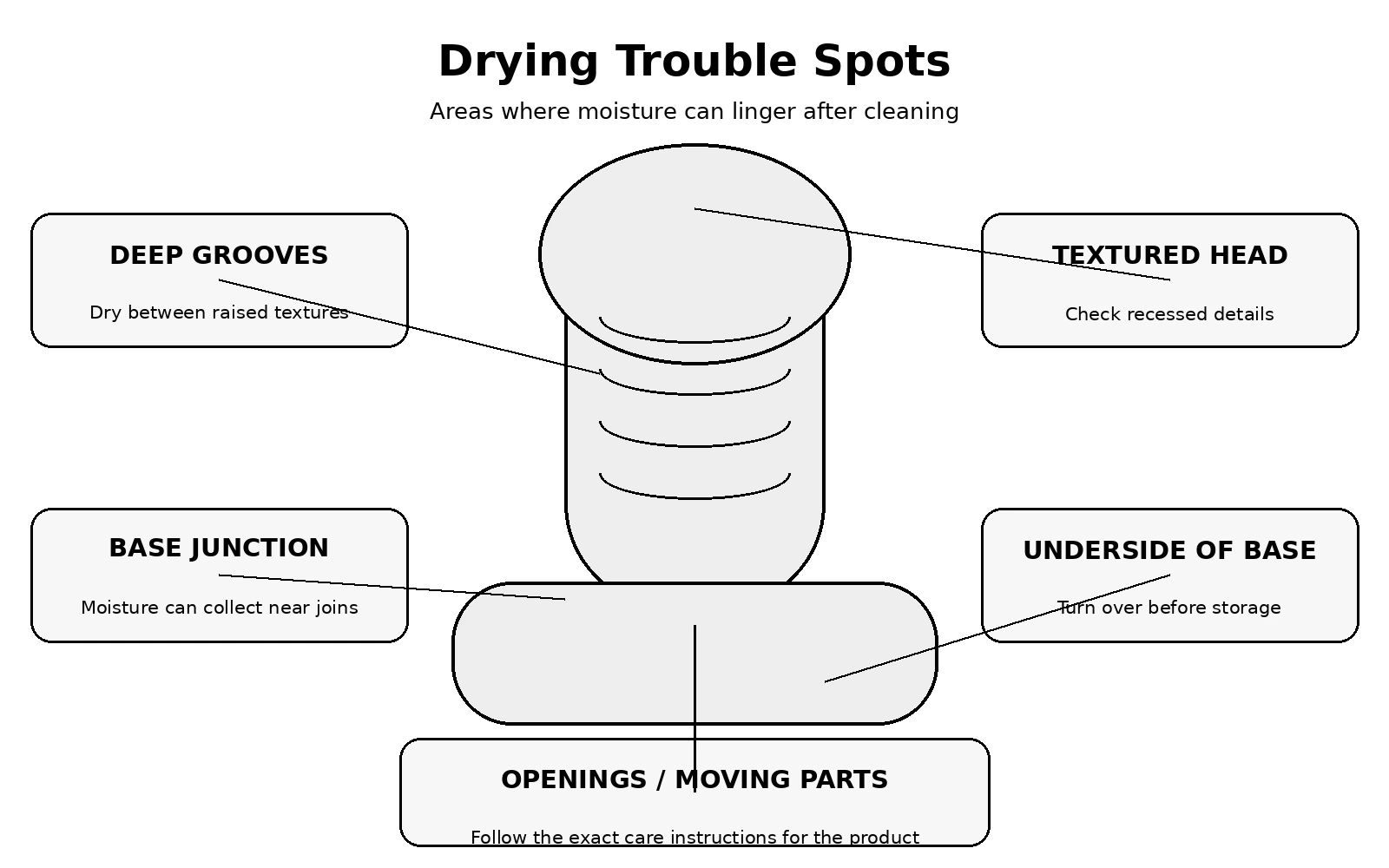
Water may temporarily make existing residue easier to detect, and moisture trapped around detailed surfaces can create a damp or stale smell during storage.
Pay particular attention to:
- Deep veins and grooves
- Textured heads
- The underside of suction cups
- Movable foreskin-style layers
- Hollow sleeves
- Removable components
- Openings around pumps or tubes
- Areas surrounding controls or charging covers
A waterproof exterior also does not mean every cavity should be filled with water. Follow the instructions for the specific construction.
If unusual spots accompany the odor, compare them with the warning signs in our guide: Can Dildos Grow Mold?
Silicone, TPE and Hard Materials Should Not Be Judged the Same Way
Material changes the way an odor should be interpreted.
| Material Type | How to Think About Odor | Extra Signs Worth Checking |
|---|---|---|
| Silicone | A persistent new or changing odor deserves comparison with packaging, residue and surface condition. | Stickiness, uncured areas, oiliness, peeling, layer separation |
| TPE / TPR | Formulations vary widely, so some products have a more noticeable baseline material scent. | Sweating, tackiness, permanent softness changes, staining |
| PVC / jelly-type material | Odor may be strongly influenced by formulation and additives. | Oily film, cracking, hardening, unusual surface change |
| Glass | Persistent smell is more likely to come from residue, storage or an attached component than the glass itself. | Chips, cracks, residue around textured details |
| Stainless steel | Investigate surface residue, storage environment or contamination first. | Surface damage, corrosion-like changes, residue |
Material information should come from a trustworthy product specification or manufacturer—not from smell alone.
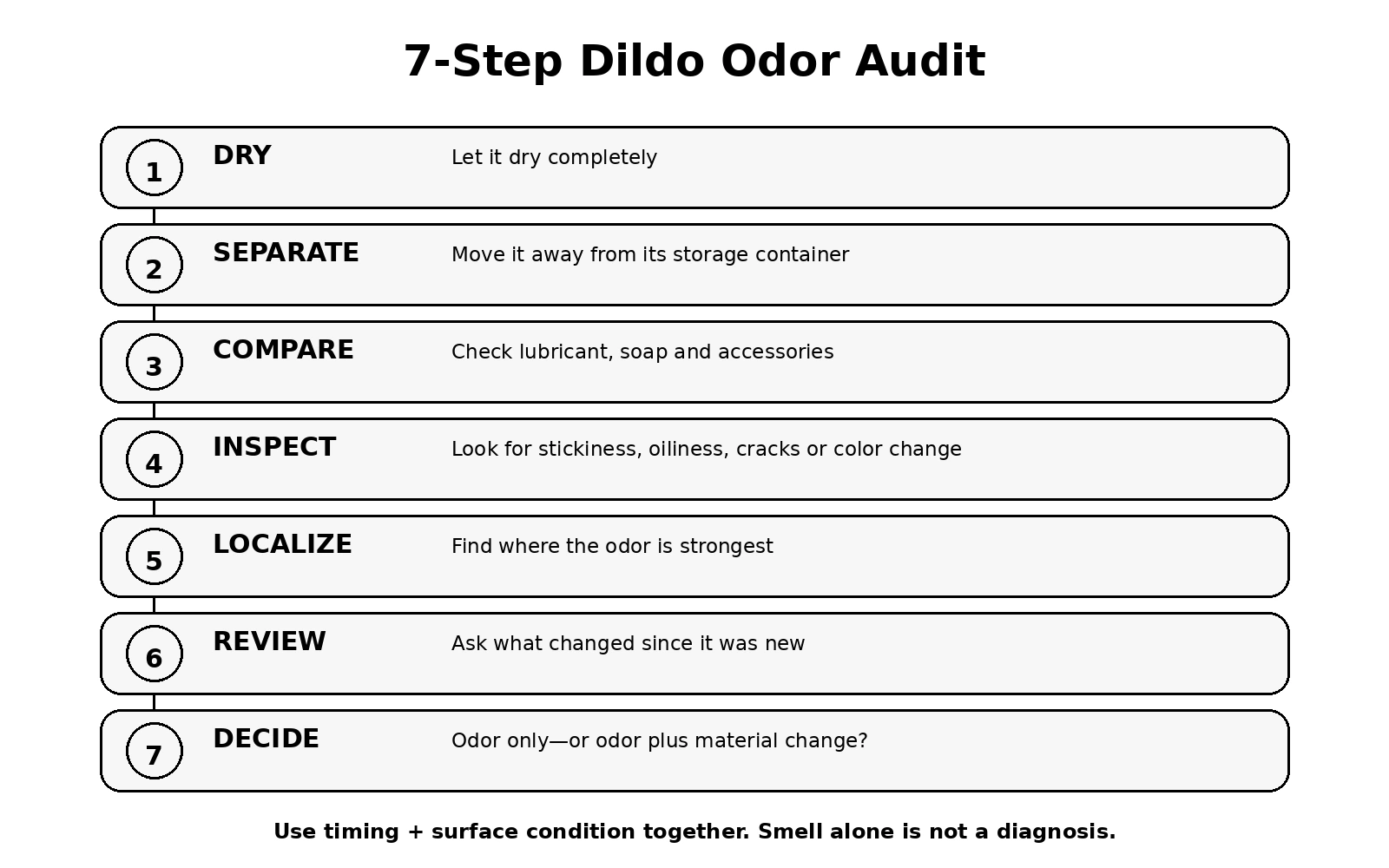
The Seven-Step Dildo Odor Audit
If washing has not solved the problem, stop repeating the same cleaning cycle and perform a controlled comparison instead.
Step 1: Let the Dildo Dry Completely
Do not judge the smell while the surface is still wet or covered in cleaning product.
Place the dildo in a clean, well-ventilated area according to its care instructions. Keep it away from perfume, scented towels, laundry products, smoke and other strong environmental smells.
Step 2: Move It Away From Its Storage Container
Leave the pouch, box or drawer separate.
If the dildo smells much weaker outside storage, investigate the container. Fabric bags can absorb fragrance, drawers can retain household odors and unknown soft plastics may have their own strong scent.
Step 3: Compare the Accessories
Check the lubricant, cleaner, storage bag, charging cable case and any powder or care product used with the dildo.
You may discover that the “dildo smell” is actually present on several nearby items.
Step 4: Inspect the Surface Under Bright Light
Look for more than odor.
Check whether the dildo has developed:
- Sticky areas
- An oily or wet-looking film
- Unexpected discoloration
- Cracks or small tears
- Peeling color
- Swollen sections
- New permanent dents
- Layer separation
- Powdery or crumbly material
A smell combined with physical change is more informative than smell alone.
Step 5: Check Whether the Odor Is Localized
Is the smell equal across the whole dildo, or is it strongest in one area?
A localized odor around a suction cup, movable layer, opening or deep texture may suggest retained residue or moisture. A uniform smell present from the day of purchase may be more closely associated with the product or its packaging.
Step 6: Compare With Earlier Condition
Think back to when the dildo was new.
Ask:
- Did it always smell this way?
- Has the odor become stronger?
- Did the change begin after using a different lubricant?
- Did you switch cleaners?
- Did you change storage containers?
- Was the dildo stored next to another soft material?
- Was it exposed to unusual heat?
A change in history often identifies the cause faster than the odor itself.
Step 7: Decide Whether the Problem Is Cosmetic or Structural
If the dildo has the same mild scent it has always had, remains intact and behaves normally, the issue may simply be a material characteristic.
If a new strong odor appears together with surface deterioration, stop using the dildo while you investigate.
Use This Smell-and-Surface Matrix
The following matrix combines odor with visible or tactile changes.
| Observation | Initial Interpretation | Best Next Step |
|---|---|---|
| Mild odor, unchanged since new | May be material or packaging related | Air separately and follow normal care |
| Perfume-like smell after washing | Possible fragranced cleaner residue | Rinse as directed and switch to approved mild care |
| Odor only after storage | Storage environment may be contributing | Isolate dildo from bag/drawer and compare |
| Odor plus sticky surface | Possible residue or material change | Stop use and investigate material/care history |
| Odor plus oily film that returns | Possible formulation or deterioration issue | Contact seller or manufacturer |
| Musty odor plus suspicious spots | Possible moisture-related contamination | Remove from use and inspect carefully |
| Strong new odor plus cracking/peeling | Physical deterioration is more concerning | Discontinue use and replace or seek support |
When a New Dildo Smell May Fade
Some new products smell strongest immediately after being removed from sealed packaging.
That odor may weaken after the dildo is removed from the box, cleaned according to instructions, fully dried and stored separately in a ventilated environment.
Do not attempt to accelerate airing by placing a dildo:
- In direct sunlight
- On a radiator
- Beside a heater
- Inside a hot vehicle
- In an oven
- Under a hair dryer
Heat can affect materials, adhesives, internal components and surface finishes.
A new product should also be inspected before first use rather than assumed to be normal simply because it is new.
When a New Odor Appears After Months of Use
A dildo that was previously nearly odorless but later develops a noticeable smell deserves a different investigation.
Start by reviewing what changed around the same time.
Possible changes include:
- A new lubricant
- A new soap
- A different storage bag
- Storage next to another dildo
- Longer periods in a sealed container
- Incomplete drying
- High storage temperature
- A newly developed crack or damaged surface
If the dildo has also become significantly softer, stickier, harder, oily or permanently deformed, read our guide to whether dildos naturally soften with use. A major material change should not simply be dismissed as a “break-in period.”
Do Not Mask the Odor
Covering a smell is not the same as identifying its source.
Avoid spraying perfume, deodorizer or household fragrance onto a dildo. Also avoid soaking it in essential oils or applying a scented coating simply to make it smell better.
These methods introduce another substance without explaining why the original odor exists.
Odor troubleshooting methods to avoid
- Perfume or body spray
- Household deodorizer
- Essential oils
- Undiluted bleach unless specifically approved
- Household solvents
- Boiling solely to remove odor
- Microwaving
- Dishwasher cleaning unless explicitly permitted
- Leaving the dildo in direct sunlight for hours
- Covering the smell with powder
Could the Storage Bag Be the Real Problem?
Yes. Storage deserves its own test because a dildo spends much more time stored than it spends being used.
A clean product placed into an unsuitable bag can pick up:
- Fabric fragrance
- Laundry detergent scent
- Dye odor
- Plastic odor
- Dust
- Moisture
- Smells from neighboring products
Remove the dildo and leave the empty storage container closed for a short period. Then inspect the bag or box separately.
If the container has the exact same strong smell, replacing or cleaning the storage solution may resolve the issue without doing anything more aggressive to the dildo.
Why Storing Different Dildos Together Complicates the Diagnosis
Direct contact between different soft materials can make troubleshooting more difficult.
If several dildos are stored pressed together, it becomes harder to tell:
- Which product produced the original smell
- Whether color transferred between surfaces
- Whether one material left residue on another
- Whether oiliness originated from one dildo
- Whether deformation came from storage pressure
Individual storage is therefore useful for more than cleanliness. It gives you a clearer baseline for detecting changes.
When Should You Stop Using a Dildo Because of the Smell?
Smell by itself does not provide a universal replacement rule.
The decision becomes clearer when odor is combined with changes to the physical condition of the dildo.
Pause use and investigate further if a new persistent smell appears together with:
- Stickiness that returns after cleaning
- Unexpected oil or liquid on the surface
- Cracks
- Tears
- Peeling
- Open seams
- Swelling
- Permanent material softening
- Hard or brittle areas
- Layer separation
- Unusual powdering
- Visible biological growth
- A damaged internal cavity
If colored areas are lifting or flaking as well, see our guide to peeling dildo color and surface finishes.
When several warning signs appear together, replacing the dildo is usually more sensible than repeatedly trying stronger home-cleaning experiments.
How to Prevent Persistent Odors
Odor prevention is mostly about keeping variables under control.
Use the Recommended Cleaning Method
Follow the manufacturer’s directions for the specific dildo rather than assuming every material tolerates the same treatment.
Rinse Cleaning Residue Away
If a soap-based method is approved, do not leave a fragranced film behind.
Dry Before Storage
Pay attention to deep textures and the underside of bases rather than judging dryness only from the shaft.
Store Dildos Separately
Individual storage reduces direct material contact and makes future changes easier to trace.
Keep Storage Neutral
A strongly fragranced fabric pouch may make a clean dildo smell like detergent or perfume.
Monitor Changes Over Time
A quick photograph and inspection when a dildo is new gives you something to compare with later.
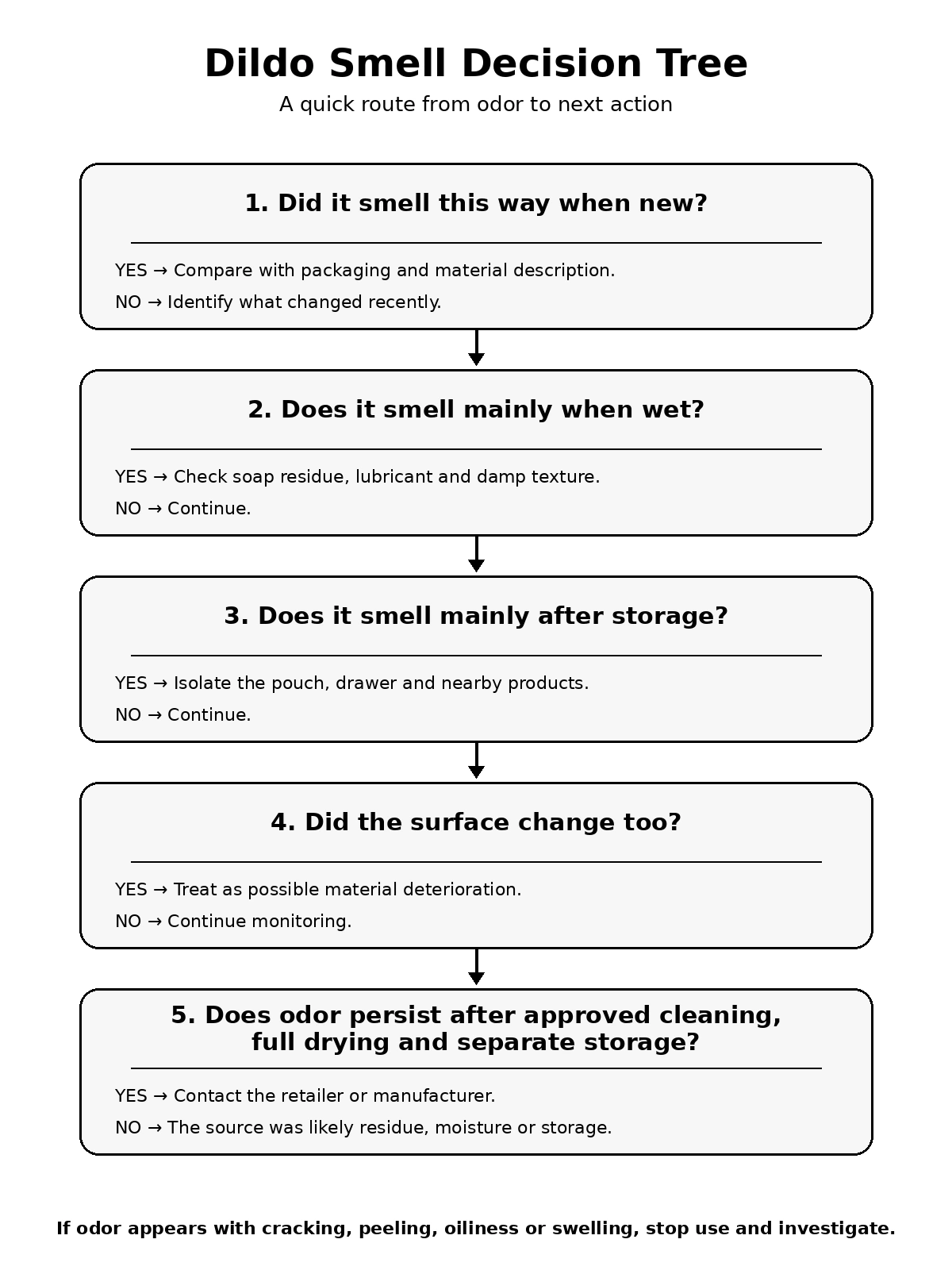
A Practical Odor Decision Tree
1. Did it smell this way when new?
→ Yes: compare the dildo with its packaging and material description.
→ No: identify what changed recently.
2. Does it smell only when wet?
→ Check soap residue, lubricant and moisture-retaining textures.
3. Does it smell only after storage?
→ Isolate the storage pouch, drawer and neighboring products.
4. Did the surface change too?
→ If yes, treat the issue as possible material deterioration rather than an odor-only problem.
5. Does the smell persist after approved cleaning, complete drying and separate storage?
→ Contact the retailer or manufacturer if the odor is new, strong or accompanied by other abnormalities.
What Information Should You Give Customer Support?
If you contact the retailer or manufacturer, avoid writing only “my dildo smells bad.” Give them enough information to identify whether the issue may involve packaging, material or use history.
Include:
- Product name and model
- Approximate purchase date
- Material stated on the listing
- Whether the smell existed when new
- How the dildo was cleaned
- Which lubricant was used
- How it was stored
- Whether another dildo touched it
- Whether the odor disappears after drying
- Any changes in color, texture or firmness
- Photographs of suspicious areas
A detailed description gives support staff much more useful evidence than an odor description alone.
Frequently Asked Questions
Why does my dildo still smell after I wash it?
The smell may come from the material itself, packaging, fragranced soap, lubricant residue, retained moisture or storage. Let the dildo dry completely and compare each possible source separately before washing it more aggressively.
Is a smelly dildo automatically dirty?
No. Odor and cleanliness are not identical. A clean material may have its own scent, while a visually clean product can also carry fragrance or residue from another source.
Why does my silicone dildo smell?
First verify that the material is actually silicone. Then compare the odor with the packaging, storage bag, soap and lubricant. A new or changing smell accompanied by stickiness, oiliness, peeling or other physical changes deserves further investigation.
Why does my TPE dildo have a strong smell?
TPE is a broad material category with many formulations. Different products can contain different polymers, additives, pigments and processing ingredients, so odor can vary. Follow the manufacturer’s care instructions and monitor the product for physical changes rather than judging it by smell alone.
Can soap make a dildo smell stronger?
Yes. Fragranced soap or incomplete rinsing can leave a noticeable scent, especially in textured areas and around bases.
Should I boil a dildo to remove the smell?
Do not use boiling as an odor-removal experiment. Some simple silicone products may tolerate specific heat-cleaning methods, but other dildos contain adhesives, electronics, multiple materials or finishes that do not. Follow the instructions for the exact product.
Can a storage pouch make my dildo smell?
Yes. Fabric fragrance, detergent, dyes, plastic and moisture inside a storage pouch can transfer odor to the dildo. Test the empty pouch separately.
Does a chemical smell mean my dildo is unsafe?
Odor alone cannot establish safety or identify a material. Check verified material information, physical condition, manufacturer guidance and whether the odor has changed over time.
Why did my dildo suddenly start smelling after months?
Look for a recent change in lubricant, cleaner, storage, temperature or product condition. A new odor combined with stickiness, leaking, cracking, swelling or other material changes is more concerning than an unchanged scent that has been present since purchase.
Can I spray perfume on my dildo?
No. Perfume masks the odor instead of identifying its cause and introduces ingredients that were not part of the dildo’s approved care routine.
Use Odor as a Clue, Not a Diagnosis
A persistent dildo smell is useful information, but it should be interpreted together with timing, material, cleaning history, storage and physical condition.
If the odor has always been mild and the dildo remains stable, the smell may simply be associated with the product or its packaging. If the smell appears only after washing, investigate soap and moisture. If it develops only after storage, inspect the bag, drawer and nearby materials.
The situation changes when a new odor arrives together with stickiness, oiliness, cracking, peeling, swelling or structural damage. At that point, stop trying to cover the smell and evaluate whether the dildo should be replaced.
Continue your dildo care research: